Last updated November 23, 2026
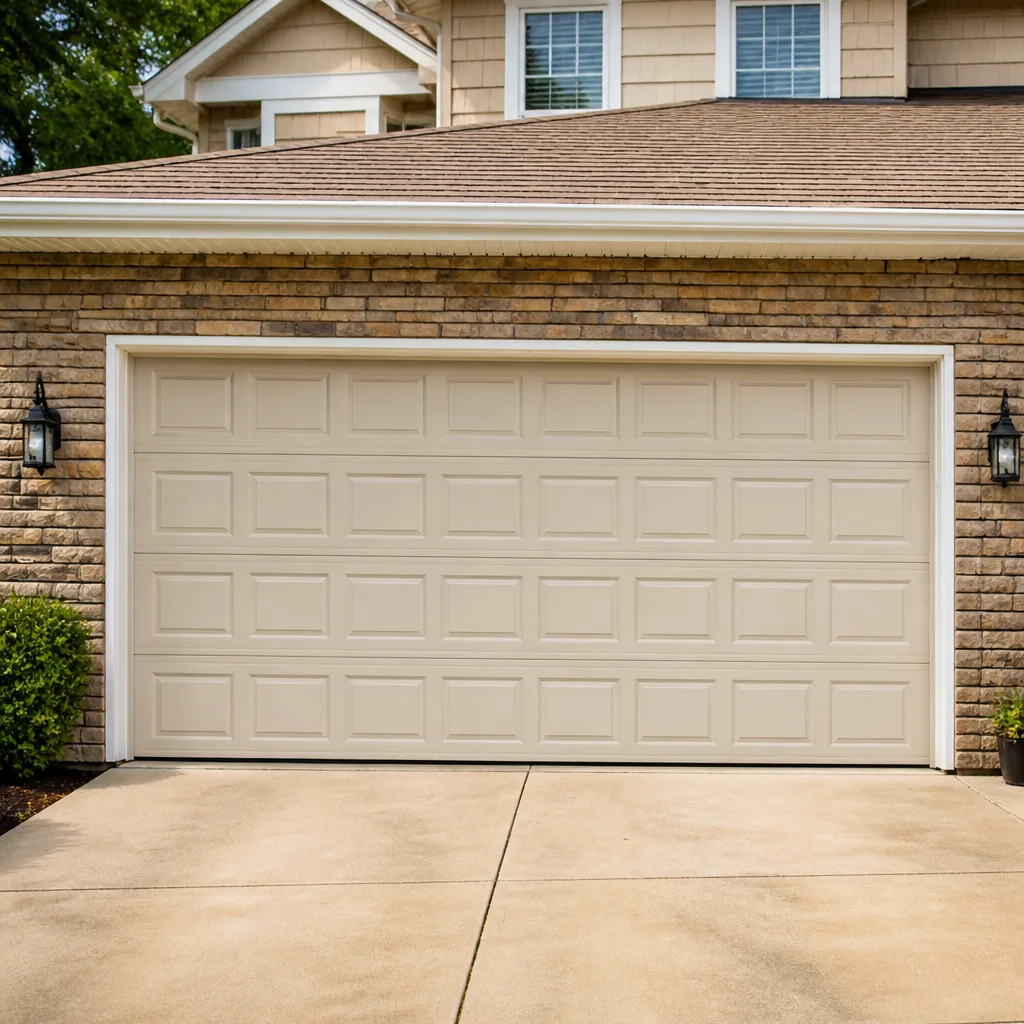 Raised-panel steel
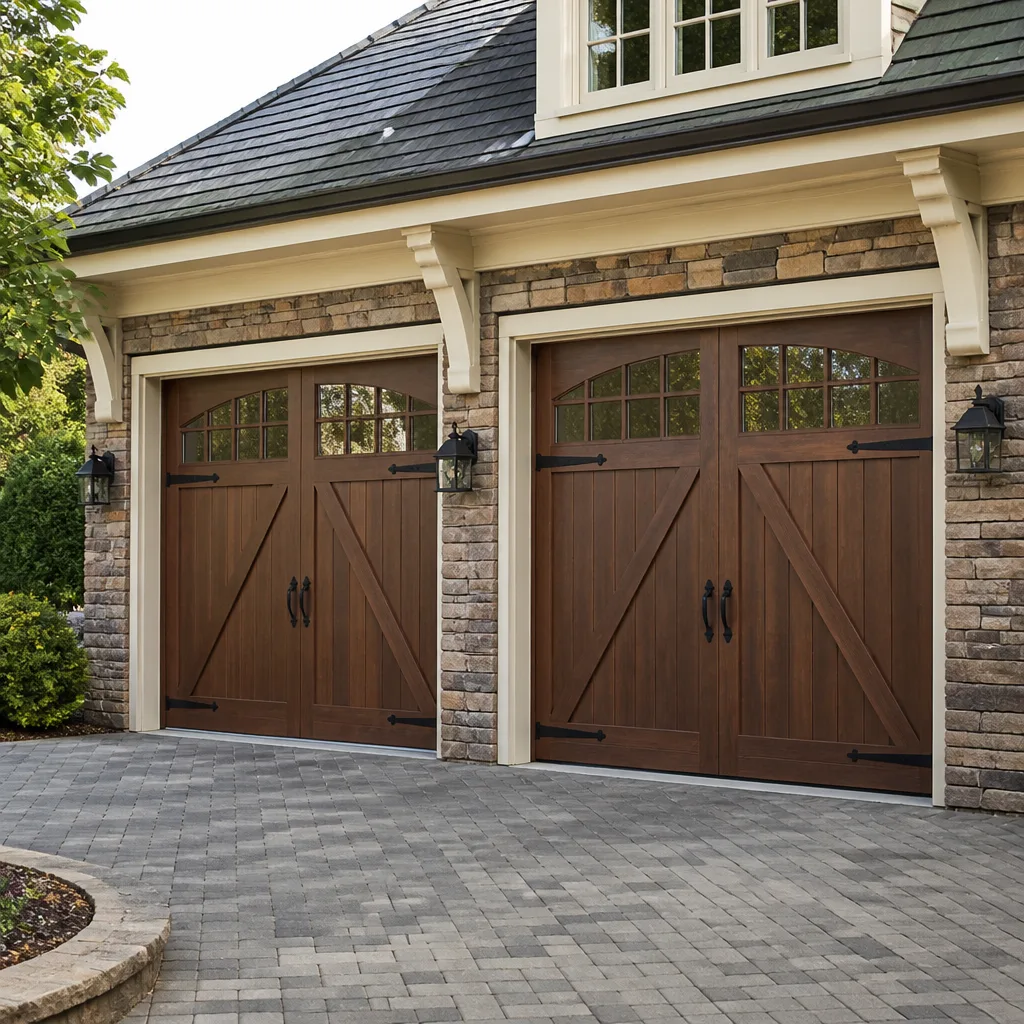 Carriage house
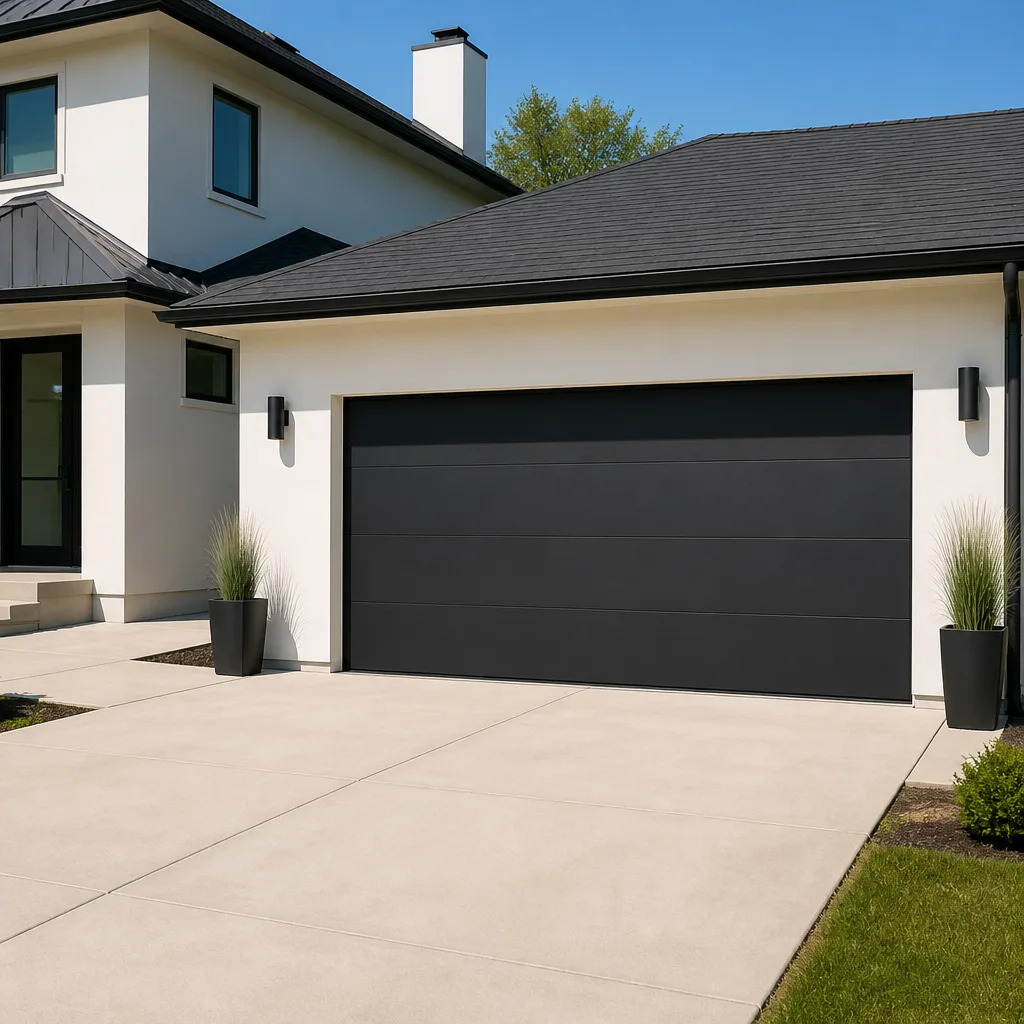 Modern flush
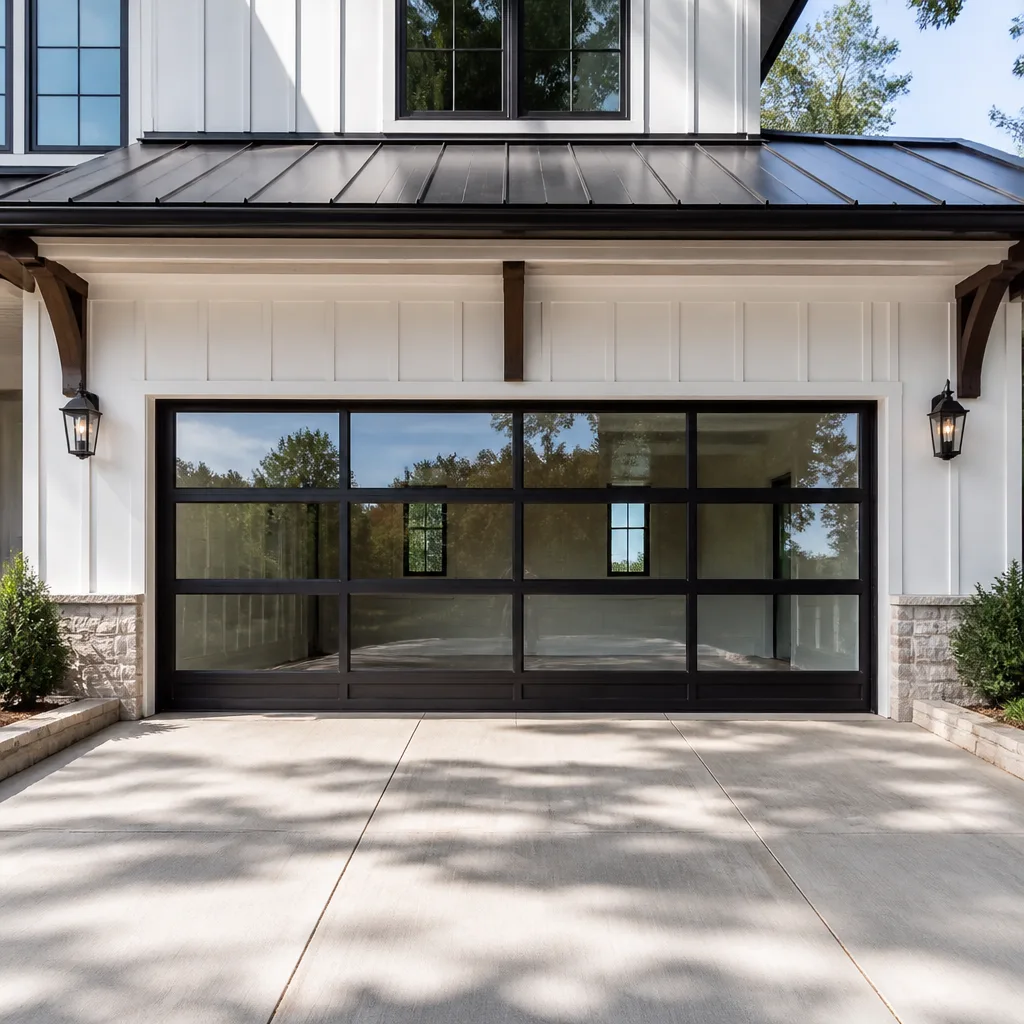 Full-view glass
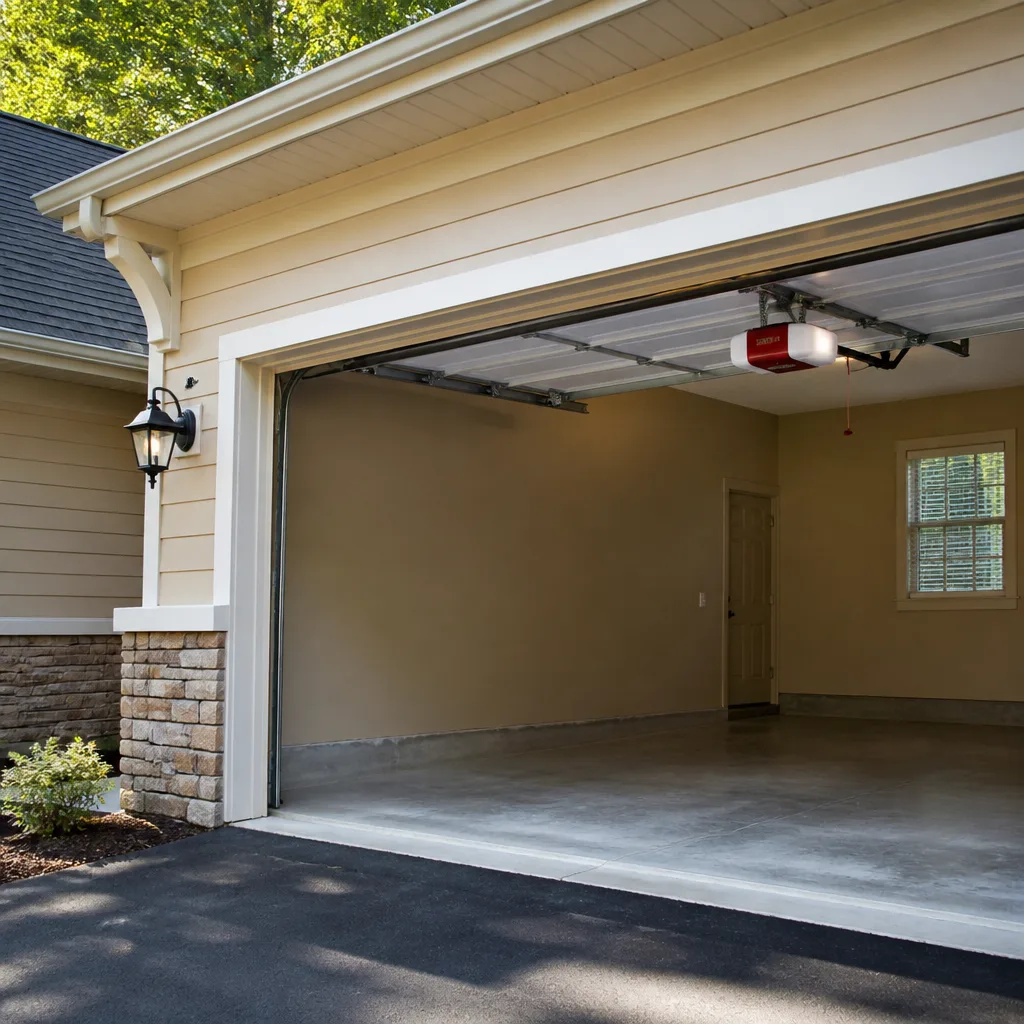 LiftMaster openers
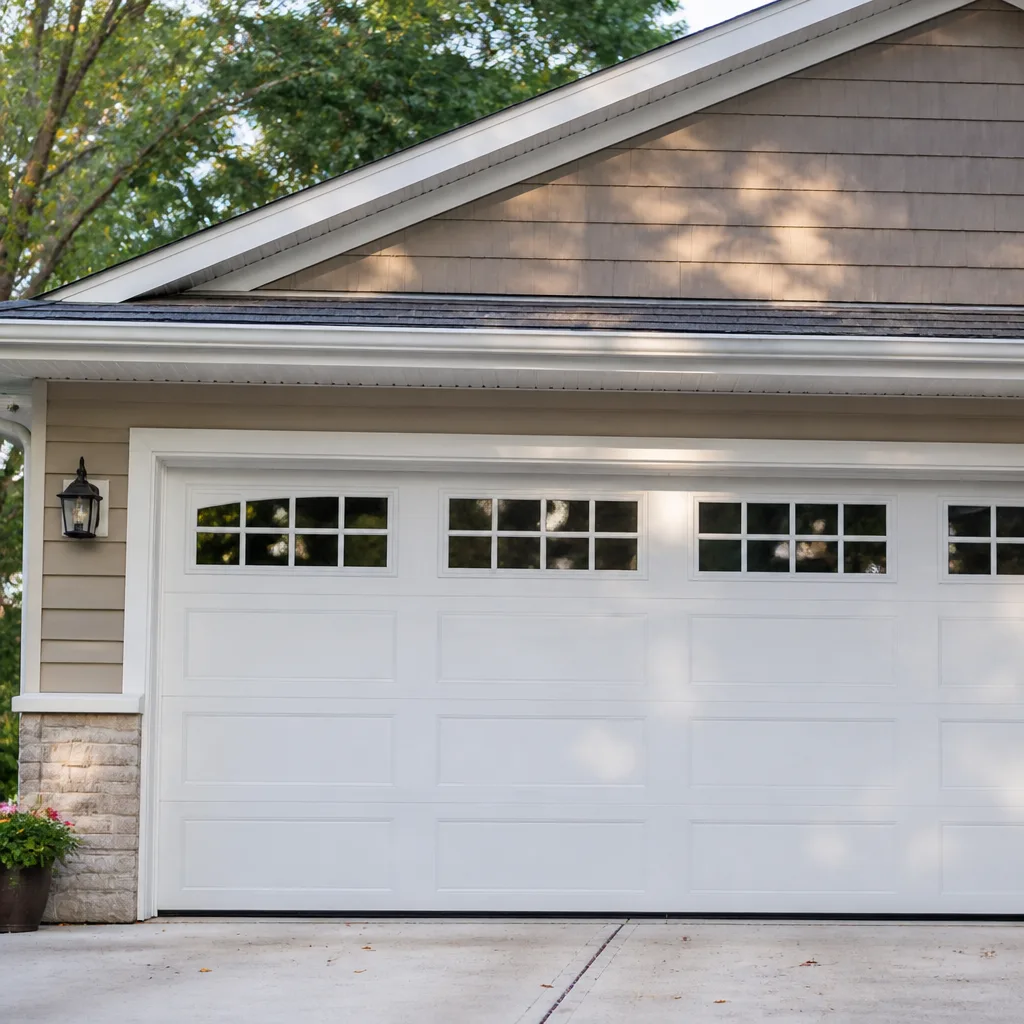 Chamberlain openers
Full 25-point door and opener safety check with every visit - springs, cables, rollers, tracks, and your LiftMaster or Chamberlain opener included
You get a price before we start. It does not change when the pro arrives.
Get your free estimateSeasonal Garage Door Care for Fairfield: Year-Round Homeowner’s Guide
Here’s a mistake we see every cold snap: a homeowner heads out to the garage in January and sprays the springs with whatever lubricant is sitting on the shelf. It feels like maintenance. It is actually the opposite. Thin, cold-sensitive products can stiffen in low temperatures and leave the steel worse off than before, which is one reason January brings us more spring failures than any other month. The other reason is simpler: good intentions aimed at the wrong season. A year of garage door care in Fairfield is not one routine repeated twelve times. It’s four different jobs that each belong to a specific window on the calendar. In this guide we’ll walk you through what each season actually asks of your door, what to check and when, and how to tell a minor adjustment from a repair that shouldn’t wait.
Styles & brands we work with
- Raised-panel steel
- Carriage house
- Modern flush
- Full-view glass
- LiftMaster openers
- Chamberlain openers
Quick Answer
Seasonal garage door care in Fairfield works best on a four-point calendar: inspect and prepare in fall before temperatures drop, watch for stiffness and balance changes in winter, clean and check hidden hardware damage in spring after freeze-thaw, and address humidity and opener sensitivity in summer. Lubrication, hardware checks and opener adjustments should be matched to the season, not done on autopilot. When something sounds wrong or the door won’t move evenly, that’s a signal to stop and call rather than to try harder.
Table of Contents
- Fall in Fairfield: The Pre-Winter Prep That Actually Matters
- Winter: What Cold Does to Your Springs (and How to Tell Adjustment from Replacement)
- Spring: The Post-Winter Inspection That Catches What You Can’t See
- Summer: Humidity, Swelling Wood, and Opener Sensitivity
- The One-Page Fairfield Seasonal Garage Door Calendar
- A Note on Lubrication Timing and Product Choice
- Common Mistakes to Avoid
- When to Call a Professional
- Frequently Asked Questions
- The Bottom Line
Fall in Fairfield: The Pre-Winter Prep That Actually Matters
Fall is the season when your preparation has the longest payoff. Everything you check now is something you won’t be dealing with in January, when the door is cold and stiff and every small problem is magnified. This is also the last easy window before temperatures drop, because once the cold arrives, some inspections become uncomfortable and some adjustments should be left to a technician.
The single most overlooked fall task is the weatherstripping check. The rubber or vinyl strip along the bottom of your door and around the frame is what keeps out cold air, water and small pests. Over a summer it can compress, crack or pull loose. Run your hand along the bottom seal with the door closed. If you feel gaps, hardened rubber or daylight coming through, the seal needs replacing before the first hard freeze. A compressed seal lets cold air in under the door and, in a Fairfield winter, that same gap lets meltwater creep in and refreeze.
The second fall task is spring tension observation. You are not adjusting anything here. You are looking, and you are listening. With the door closed, look at the springs above the door (torsion springs mounted on the shaft) or along the sides (extension springs). Look for visible gaps, rust-colored dust, or a spring that appears stretched out of shape compared to its neighbor. Open and close the door once by hand, slowly, and listen.
- Look at the springs for gaps, rust dust or uneven stretch.
- Listen during one slow manual cycle for grinding, popping or a door that seems heavier than it used to.
- Check the rollers and hinges for visible wear or looseness.
- Test the safety reverse by placing a small object in the door’s path and confirming the door reverses.
- Inspect the weatherstripping for compression, cracking or daylight gaps.
- Clear the tracks of debris and confirm the door travels smoothly.
None of these steps involves touching the springs themselves. Torsion springs are under extreme tension and can cause serious injury if handled without proper tools and training. Observation only. If anything looks off, that’s the point at which a trained technician takes over.
One Fairfield-specific note: fall is also when leaves and grit blow into the door tracks. A quick sweep-out now prevents rollers from riding over debris all winter, which is a slow way to wear them down. If your door is a wood model, this is also the last good window for a visual condition check before humidity swings start again in spring. For damage that’s already developed, our garage door repair service covers panels, tracks and hardware.
Winter: What Cold Does to Your Springs (and How to Tell Adjustment from Replacement)
Cold does two things to a garage door system. It contracts metal, which changes the tension the springs are applying. And it stiffens lubricants, which increases friction in the rollers and hinges. The result is a door that moves differently in February than it did in October. Sometimes it just feels heavier. Sometimes it stops halfway. Sometimes it makes a noise it never made before. Learning to read the difference matters, because some of those signals mean “adjust” and some mean “replace.”
Signs that point to adjustment
- The door opens and closes but feels slightly heavier or slower than in warmer months.
- You hear a light squeak or grind that wasn’t there in fall.
- The door doesn’t quite sit flush when closed, but the gap is small.
- The opener seems to work harder, but the door still completes the cycle.
In many of these cases the problem is friction, not failure. Lubricant has stiffened and the door is fighting it. A technician can re-lubricate the correct points with a cold-rated product and confirm the spring tension is still balanced. The door usually returns to normal behavior.
Signs that point to replacement
- A loud bang from the garage, followed by a door that won’t open or that opens an inch and stops.
- A visible gap in a torsion spring, or an extension spring that has stretched out of its normal shape.
- The door is visibly crooked, hanging lower on one side.
- The opener runs but the door doesn’t move at all.
- You have to lift the door with your hands to help it along.
Any of these is a stop-and-call situation. A broken spring is a safety-critical failure, not a nuisance. Do not try to open the door multiple times hoping it will catch, and do not attempt to replace a spring yourself. Torsion springs in particular are under enough tension to cause serious injury. Our technicians handle garage door spring repair as a dedicated service for exactly this reason: it’s not a general handyman job.
Fairfield winters are cold enough that spring failures cluster in the coldest weeks. If your door is already 8 to 12 years into the life of its springs, winter is when you’ll find out. Knowing the difference between friction and failure lets you make the right call without guessing.
Spring: The Post-Winter Inspection That Catches What You Can’t See
Spring in Fairfield is the season of hidden damage. The freeze-thaw cycle that happens between February and April is quiet and persistent: water gets into small gaps, freezes, expands, then thaws and drains. Repeat that a few dozen times and things that looked fine in November start to show wear. Salt tracked in from the roads finishes the job on metal hardware. Most of this damage isn’t visible from standing in your driveway looking at a closed door.
Your spring inspection priorities, in order:
- Check the bottom seal and frame weatherstripping for cracking, splitting or separation caused by freeze-thaw. This is the most common spring finding.
- Look at the rollers and hinges for rust or pitting. Salt accelerates corrosion on any exposed metal.
- Inspect the tracks for alignment issues. Freeze-thaw can shift the ground slightly under a track, and a track that’s out of level is a door that binds.
- Test the door’s balance by disconnecting the opener (pull the release cord) and lifting the door halfway by hand. If it doesn’t stay put, the spring tension is off.
- Test the safety reverse again as you did in fall.
- Look at the panels for any bubbling or lifting paint, especially on wood or steel doors.
The balance test is the most useful single check you can do in spring. A properly balanced door stays where you leave it when lifted halfway. A door that slides down on its own is losing spring tension. A door that requires real effort to lift is binding or has a weakening spring. Either way, have a technician look at it.
This is also the season to check the opener itself. Several of the most common residential units we see in Fairfield – LiftMaster and Chamberlain in particular – will start showing wear in the gears or the logic board after many years. If the opener is running but the door does not respond smoothly, opener diagnosis should be part of the spring inspection. We handle garage door opener repair across both professional-grade and consumer brands, so the diagnosis doesn’t stall on “what brand is that?”
Summer: Humidity, Swelling Wood, and Opener Sensitivity
Summer in Fairfield brings two changes that don’t look connected but are. The first is humidity. The second is heat. Both affect your garage door, and both are easy to overlook because the door is working, mostly, and the problems they cause develop slowly.
Humidity and wood doors
Wood expands in humid weather. A solid wood or wood-composite door can swell enough in a Fairfield July to start binding in its frame, dragging on the weatherstripping, or sitting slightly unevenly. If you have a wood door and it opens and closes fine in October but feels tight in August, that’s humidity, not damage. Usually the swelling recedes in the fall. But if the door binds hard enough to strain the opener, it’s worth a technician confirming the fit and checking whether the panel or frame needs adjustment.
Heat and opener sensitivity
Heat affects the opener’s internal components. The motor runs hotter, the logic board can register slight changes in current draw, and the sensitivity settings that were correct in January may trip the safety reverse in July. A door that reverses itself halfway up on a hot afternoon, with nothing in its path, is often an opener sensitivity issue rather than a physical obstruction. This is more common on consumer-grade units like Genie and Craftsman than on professional-grade LiftMaster or Chamberlain systems, but both can do it.
If your door reverses without an obstruction, or stops partway, check the following before assuming the opener is failing:
- Clear the safety sensors and wipe the lenses. Dust and cobwebs trip them more often than people realize.
- Confirm the sun isn’t hitting a sensor directly. Bright summer light can confuse older sensors.
- Run a manual cycle with the opener disconnected. If the door moves easily, the door isn’t the problem – the opener settings are.
- Check that the safety reverse still works correctly after any adjustment.
Do not adjust opener force settings to push past a binding door. If the door binds, the opener needs to know. Overriding that is how openers fail and door panels get damaged. If sensitivity adjustment turns out to be the fix, a technician can do it properly. If the opener itself is wearing out, we can advise whether repair or replacement makes more sense – though we won’t recommend replacement for a door that’s in otherwise good shape.
The One-Page Fairfield Seasonal Garage Door Calendar
Here is the whole year in a format you can actually use. Print it, stick it inside the garage door, and check it once per season.
Fall (September-November)
- Inspect and replace weatherstripping on bottom seal and sides
- Look at springs for gaps, rust dust, uneven stretch – do not touch
- Listen during one slow manual open and close
- Clear leaves and grit from tracks
- Test safety reverse
- Check rollers and hinges for looseness
- Wood door visual condition check before temperature drop
Winter (December-February)
- Listen for new squeaks, grinding or popping
- Observe whether the door feels heavier than before
- Watch for a door that stops partway or reverses unexpectedly
- Do not apply cold-sensitive lubricants to springs
- If you hear a loud bang and the door won’t open, stop and call a technician
Spring (March-May)
- Inspect bottom seal and frame for freeze-thaw cracking
- Check rollers and hinges for rust
- Inspect tracks for alignment shifts
- Run the balance test: door halfway up should stay put
- Test safety reverse
- Look for panel paint bubbling or lifting
- Check opener behavior through a full cycle
Summer (June-August)
- Check wood doors for swelling, binding or uneven fit
- Clean safety sensor lenses
- Watch for the door reversing with nothing in its path
- Confirm the door moves easily by hand with the opener disconnected
- Do not increase force settings to compensate for a door that binds
A Note on Lubrication Timing and Product Choice
Lubrication is the maintenance task most homeowners know about and most often do wrong. Two variables matter: when you do it, and what you use.
On timing, fall is the best window. You’re lubricating before the cold sets in with a product that will stay effective through the coldest weeks. Applying a light or cold-sensitive product in the middle of winter can actually stiffen the mechanism rather than loosen it, which is why January is the month we see the most calls from homeowners who tried to be proactive at the wrong moment.
On product choice, match the product to the point:
- Rollers and hinges: a garage-door-specific lubricant, not general-purpose oil
- Torsion springs and shaft: a designated spring lubricant designed to remain effective in cold temperatures
- Tracks: do not lubricate; keep them clean and dry
- Weatherstripping: a silicone-based product that won’t degrade the rubber or vinyl
And the safety point worth repeating: you’re lubricating the visible surfaces of the springs, not disassembling anything. Torsion springs remain under extreme tension at all times and are not a DIY component. If a spring looks wrong, the correct next move is a technician, not a spray can.
Common Mistakes to Avoid
- Lubricating springs in January with the wrong product. Cold-sensitive lubricants can stiffen and leave the mechanism tighter than before. Do this in fall, with the right product.
- Adjusting the opener force to push past a binding door. If the door binds, the opener needs to know it. Overriding force settings is how openers burn out and panels bend.
- Ignoring the weatherstripping because the door still opens. A compressed bottom seal is invisible from inside the car and lets in cold air and freeze-thaw water all winter. Check it every fall.
- Assuming a noisy door needs replacement. Noise usually means worn rollers or hinges, not a failing door. A technician can identify the source in minutes.
- Trying to adjust or replace a torsion spring. These are under extreme tension and are not a homeowner repair. A technician with proper tools should handle any spring issue.
- Skipping the balance test in spring. It’s a two-minute check that tells you more about your door’s health than a visual inspection. A door that won’t hold halfway up is losing spring tension.
- Confusing “quiet” with “healthy.” A door that binds silently in summer may be swelling wood or worn rollers, not a door at rest. Check it by hand once a season.
When to Call a Professional
Some garage door problems are seasonal maintenance. Others are signs that something is already failing and needs a trained technician. The line between them is clearer than most homeowners expect.
Call a professional if any of the following apply:
- You heard a loud bang from the garage and the door won’t open or stops after an inch.
- You can see a gap in a torsion spring or an extension spring that has visibly stretched out of shape.
- The door is crooked when closed, or hangs lower on one side.
- The opener runs but the door doesn’t move, or moves with grinding sounds.
- You have to lift the door by hand to get it started.
- The door reverses or stops partway, and cleaning the safety sensors didn’t fix it.
- The weatherstripping needs replacement and you’re not confident about the fit.
- Wood door swelling is now causing visible binding, uneven fit, or panel stress.
Our technicians have up to 9 years of experience and cover both professional-grade and consumer-brand openers across LiftMaster, Chamberlain, Genie, Clopay, Amarr, Wayne Dalton, Craftsman and Raynor. That means your existing brand is covered – no referrals. Fairfield Garage Door Repair Co offers free estimates in Fairfield for repair and installation work, and the price is quoted and agreed before any work begins. Call (833) 726-0705. Emergency garage door service is available if the door is stuck, broken, or leaving your home unsecured.
Frequently Asked Questions
The most important seasonal task is the fall pre-winter inspection, especially the weatherstripping check and the spring tension observation. Getting those done before temperatures drop prevents the most common winter failures and gives you the longest window before the cold arrives.
Cold temperatures contract metal, which changes the tension the springs are applying, and they can stiffen lubricants that increase friction. The combination puts extra stress on the spring on every cycle, and that’s why spring failures cluster in the coldest weeks of a Fairfield winter. If a spring does fail, don’t try to open the door – call a technician for garage door spring repair. Call (833) 726-0705 for a free estimate.
Lubricate in fall. A fall application with a cold-rated product keeps the mechanism effective through the coldest weeks. Applying a thin or cold-sensitive product in midwinter can stiffen the mechanism rather than loosen it, which is the opposite of what you intended.
This usually means the opener’s sensitivity settings are being tripped by heat, not by a physical obstruction. Heat affects the internal components of the opener and the door’s behavior changes with it. Clean the safety sensor lenses first, confirm the sun isn’t hitting a sensor directly, then have a technician check the settings. Consumer-brand units like Genie and Craftsman tend to be more sensitive to this than professional LiftMaster or Chamberlain systems.
Yes. Wood expands in humid weather, so a wood or wood-composite door can swell enough in a Fairfield summer to bind in its frame or drag on the weatherstripping. Usually the swelling recedes in fall. If it causes visible binding or panel stress, have a technician check the fit and whether the frame or panel needs adjustment.
You can do most of them: visual inspections, the balance test, the safety reverse test, sensor cleaning, track clearing and lubricating the visible surfaces. You should not attempt anything involving disassembly or adjustment of the springs, the torsion shaft, or the opener’s internal force settings. Those are the points where a trained technician is required, both for your safety and for the long-term health of the system.
The Bottom Line
Fairfield gives your garage door four distinct challenges a year, and the right response to each is different. Fall rewards preparation. Winter exposes spring tension problems and friction. Spring reveals what freeze-thaw and road salt did quietly over the cold months. Summer tests humidity and opener sensitivity. Doing the right task in the right season prevents most of the January and August repair calls that come from good intentions aimed at the wrong time of year. Keep the calendar somewhere you’ll see it, do the safe checks yourself, and call us for the rest. Fairfield Garage Door Repair Co is here for repairs, spring work, opener diagnosis and full installation when the time comes. Call (833) 726-0705 for a free estimate.
Written by the team at Fairfield Garage Door Repair Co.
See the difference
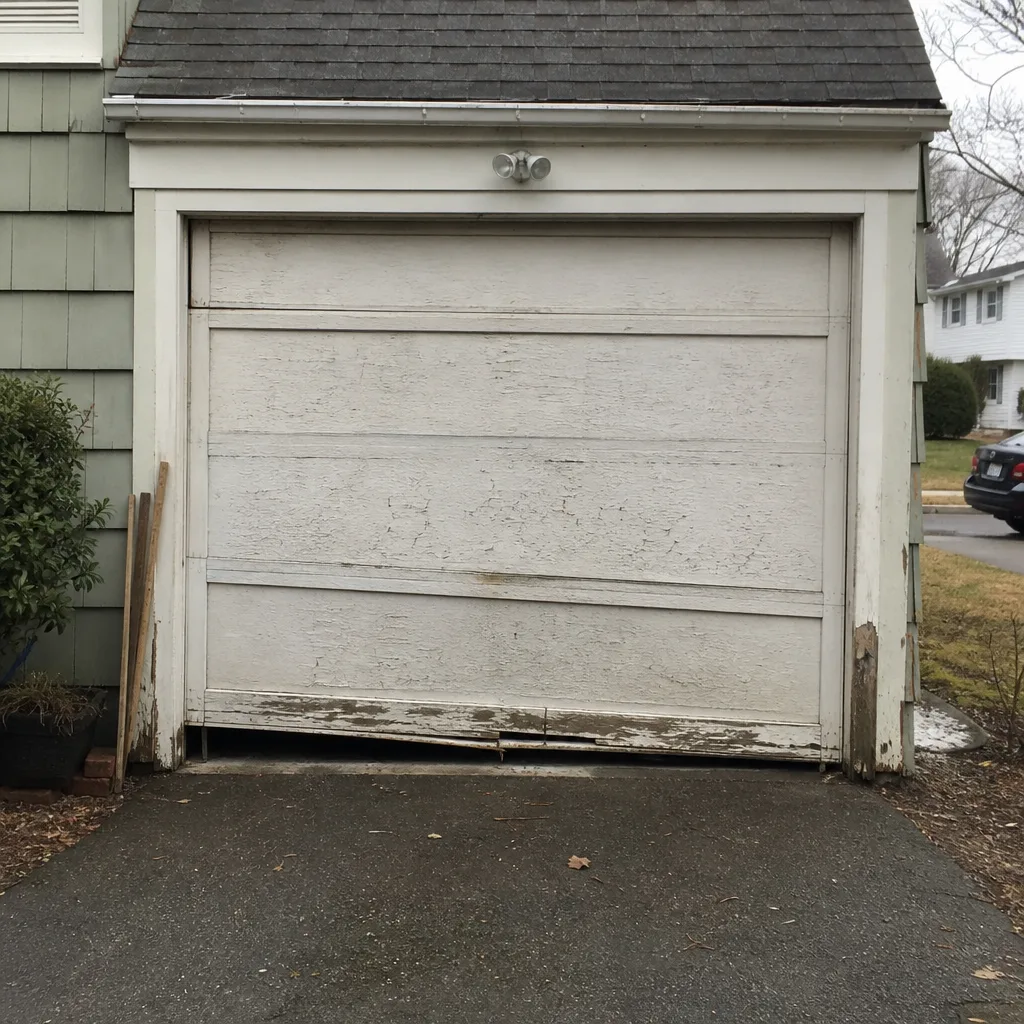 Before
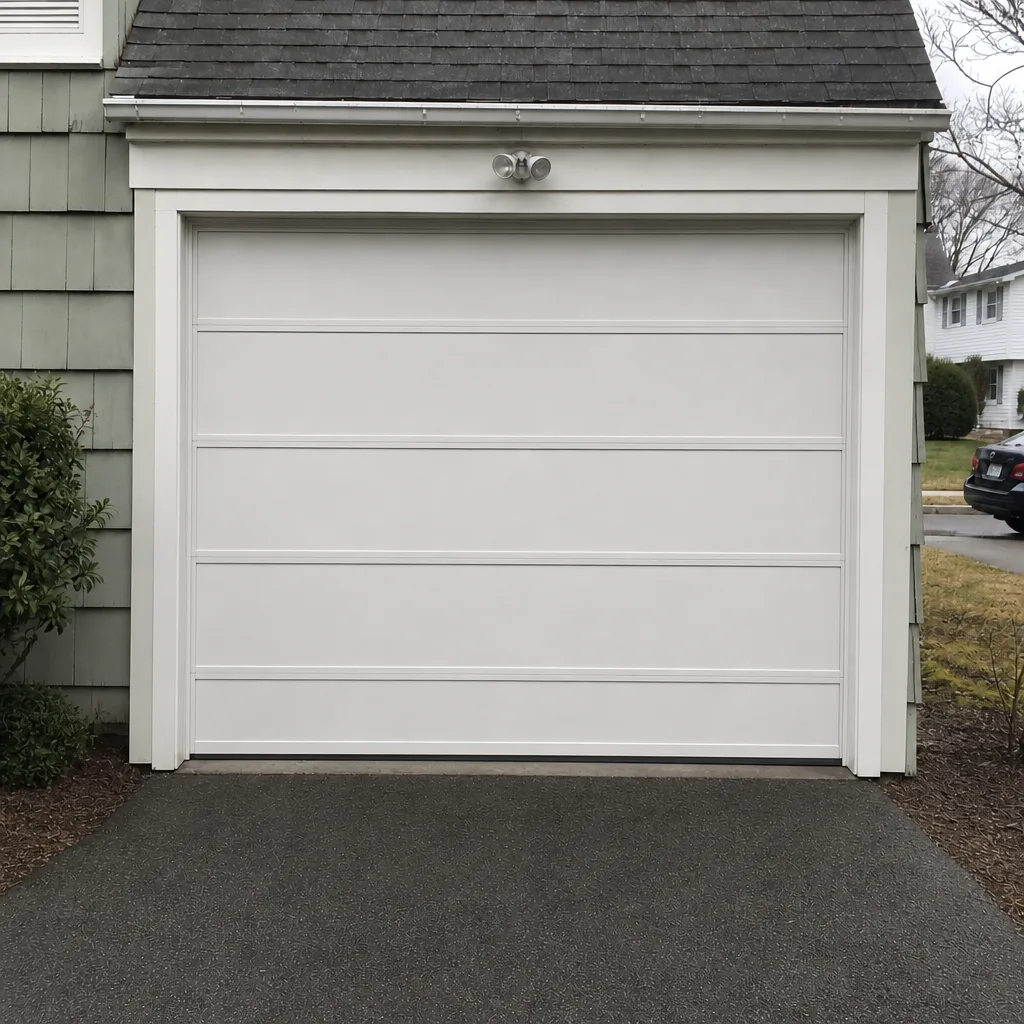 After
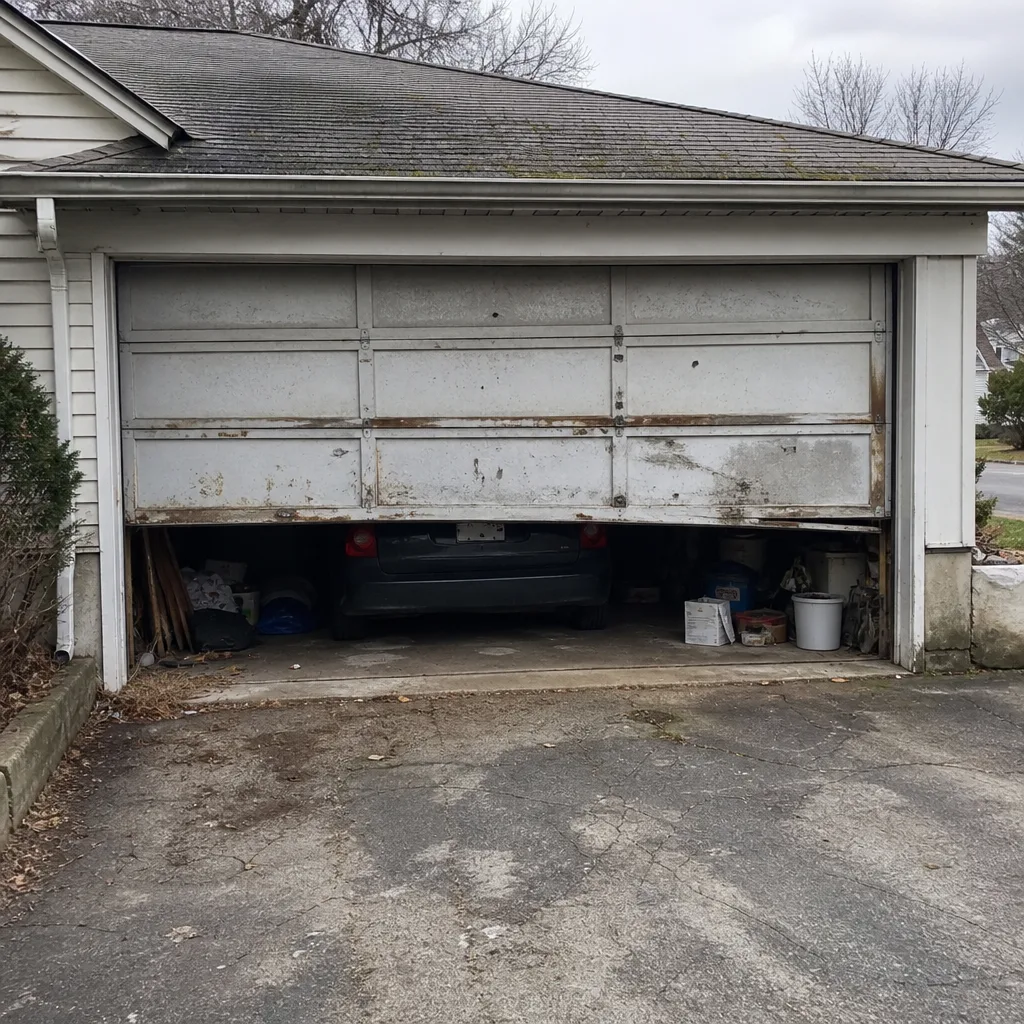 Before
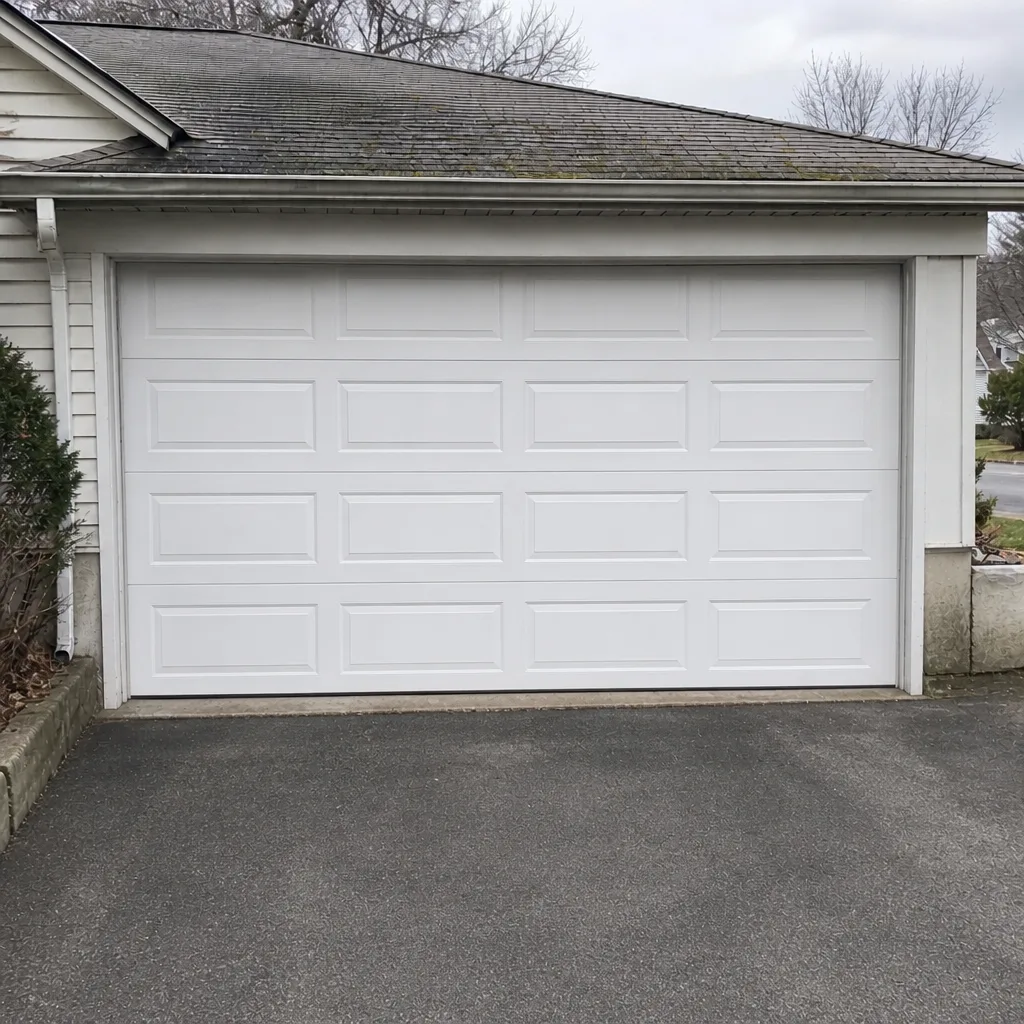 After
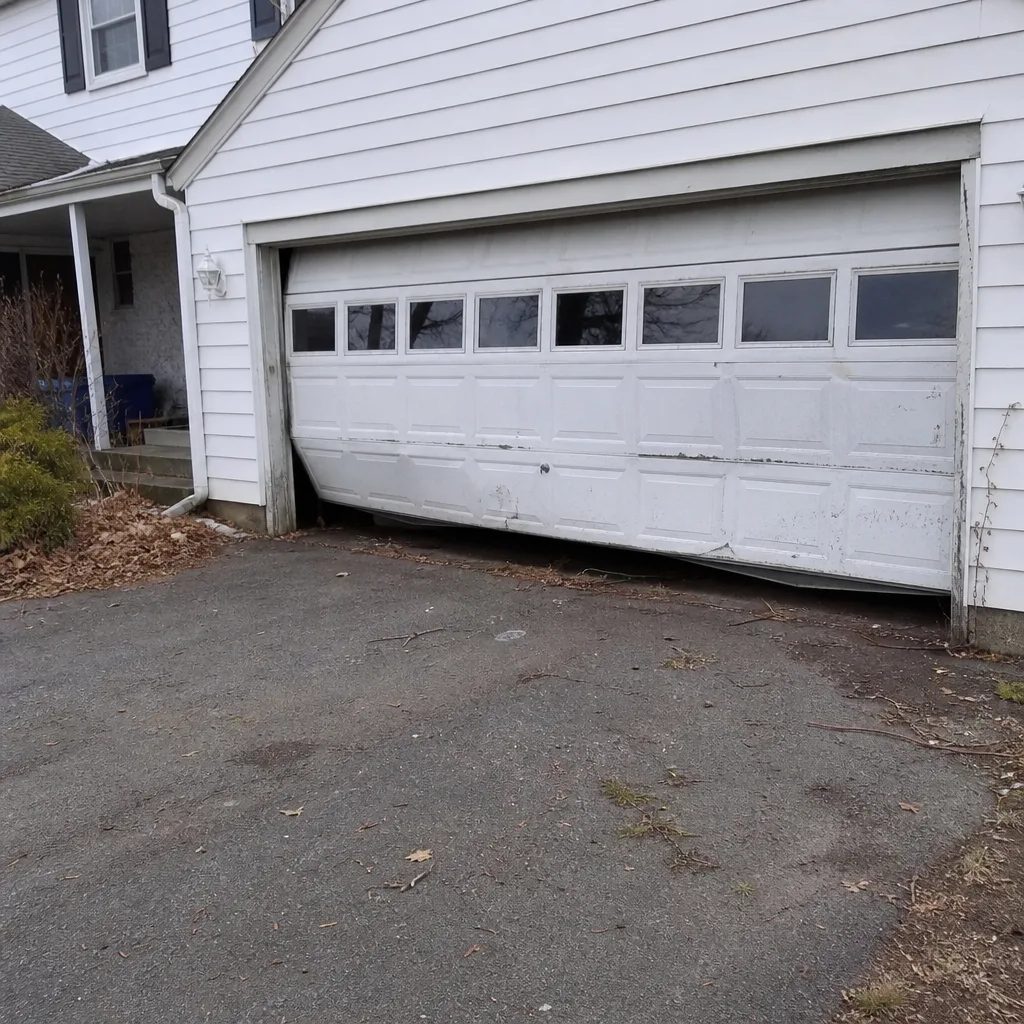 Before
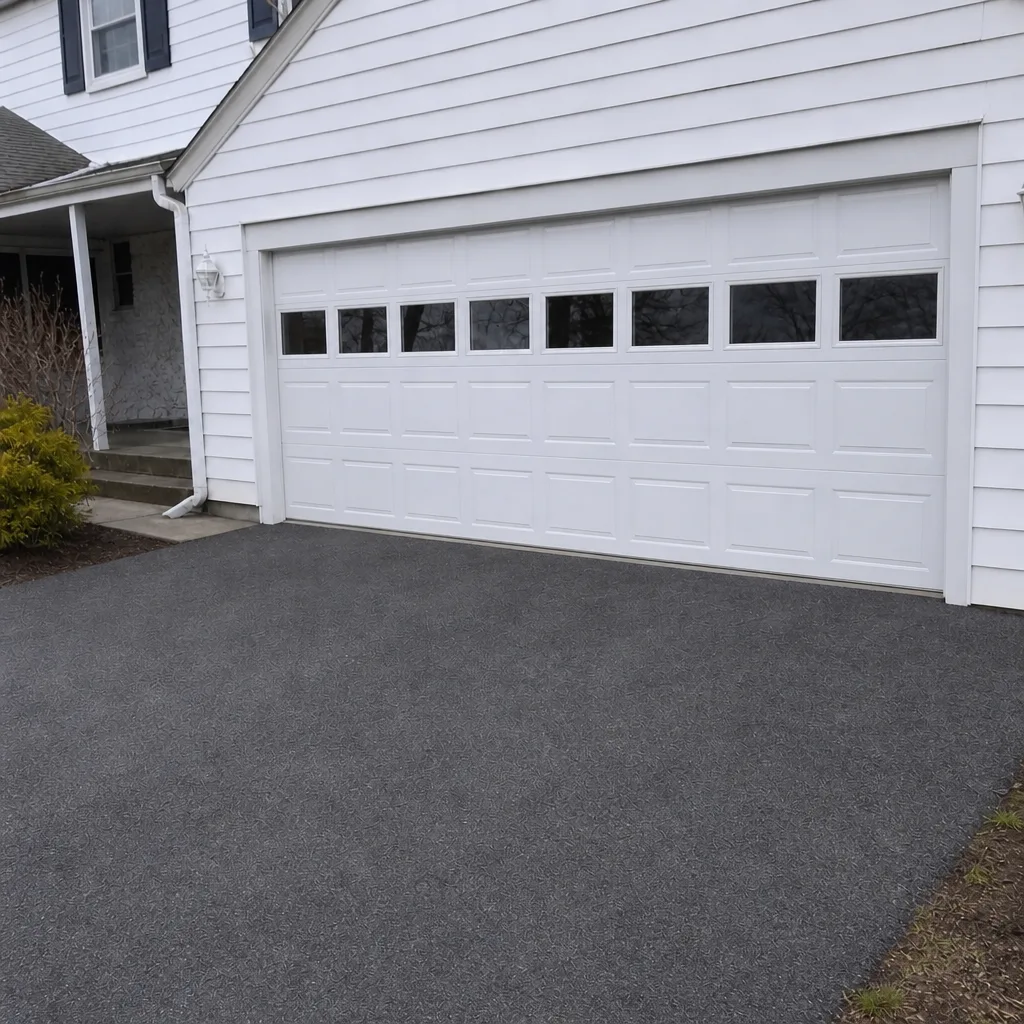 After