Last updated November 23, 2026
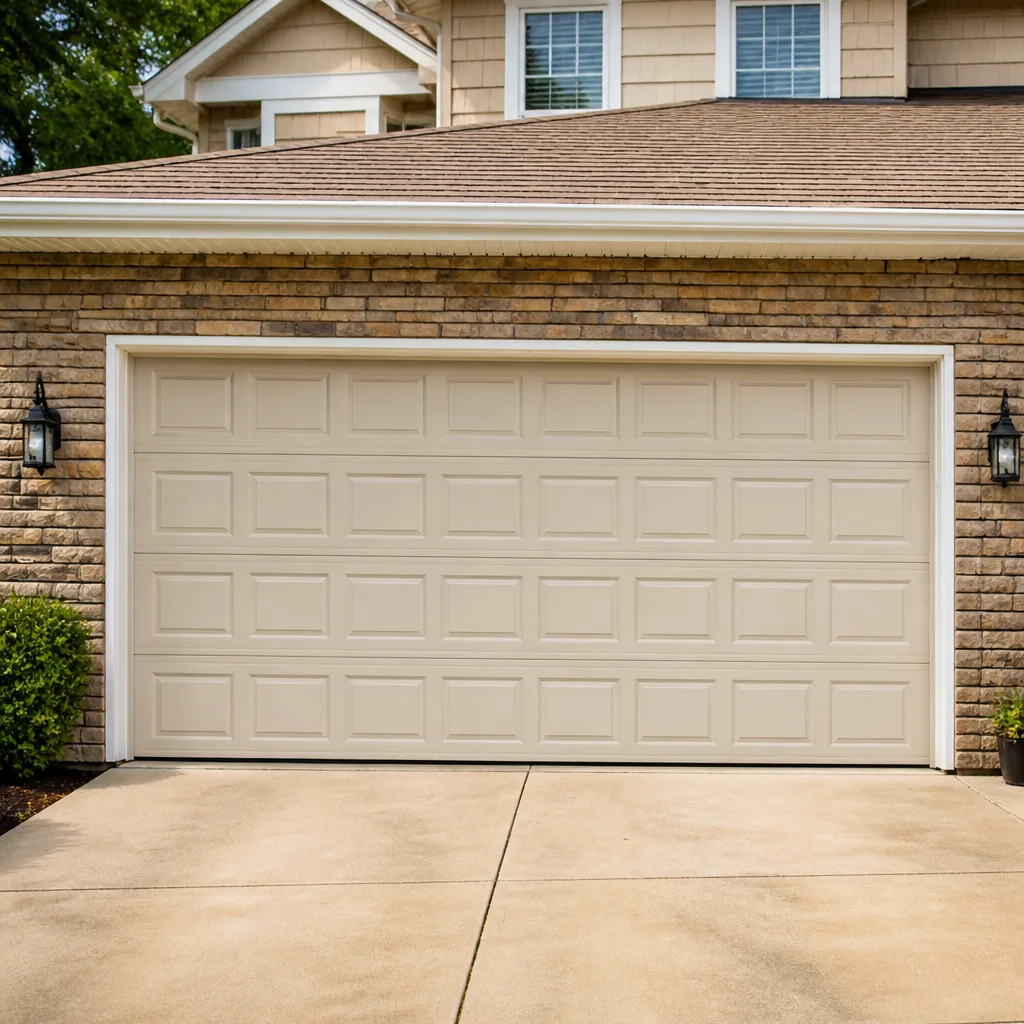 Raised-panel steel
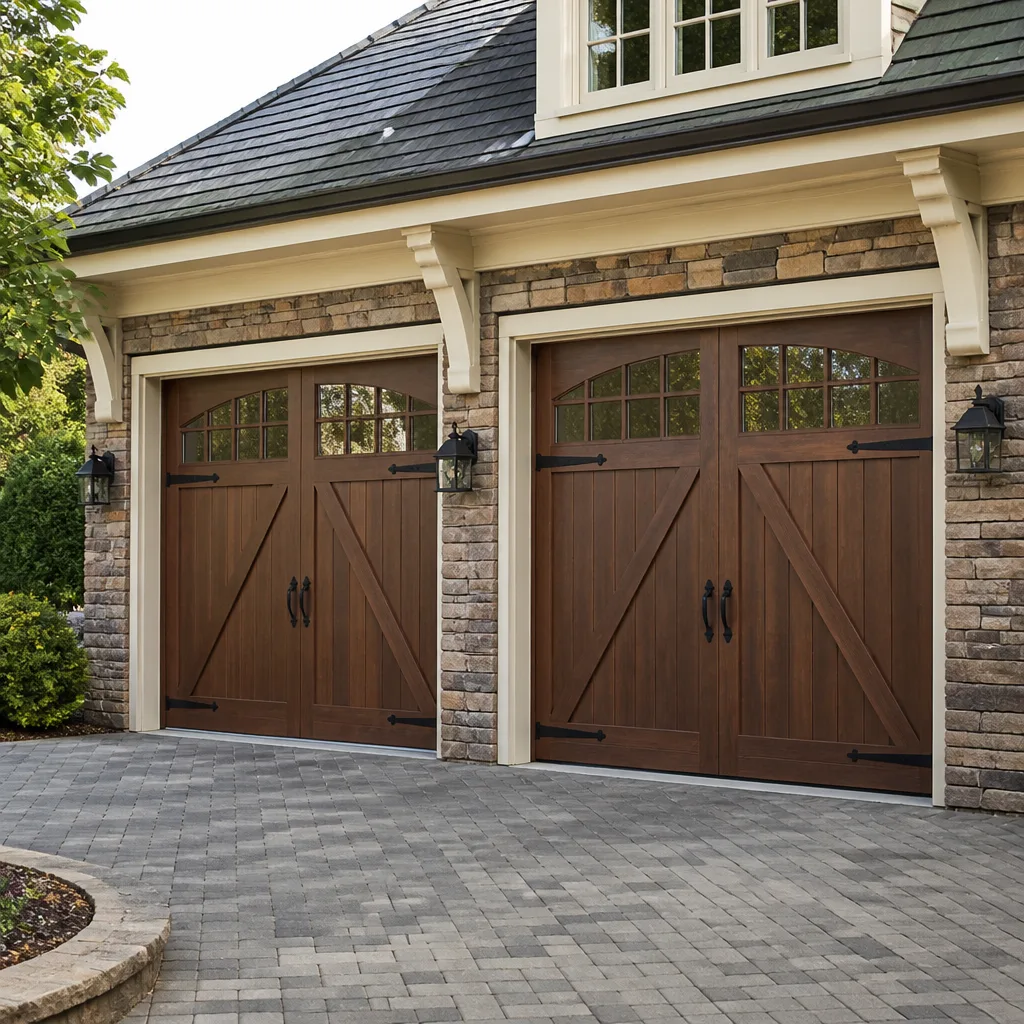 Carriage house
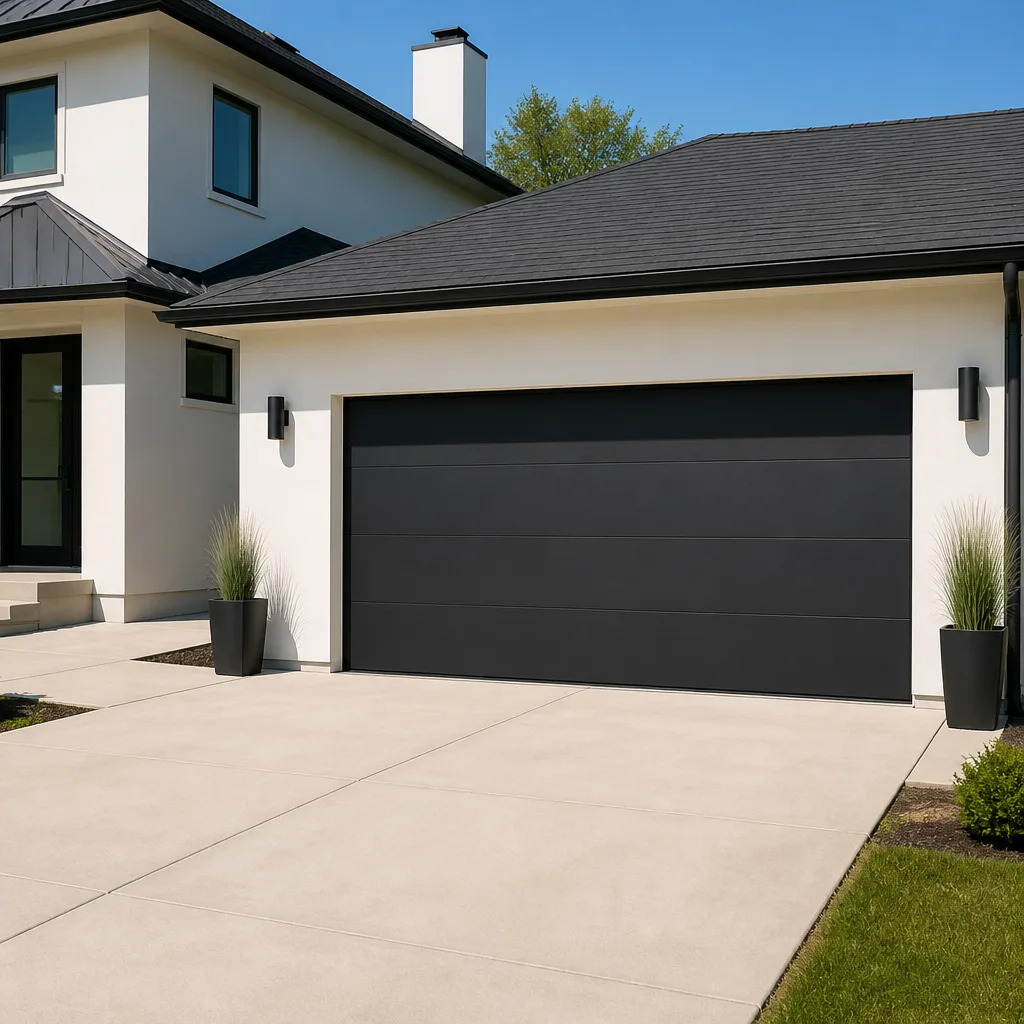 Modern flush
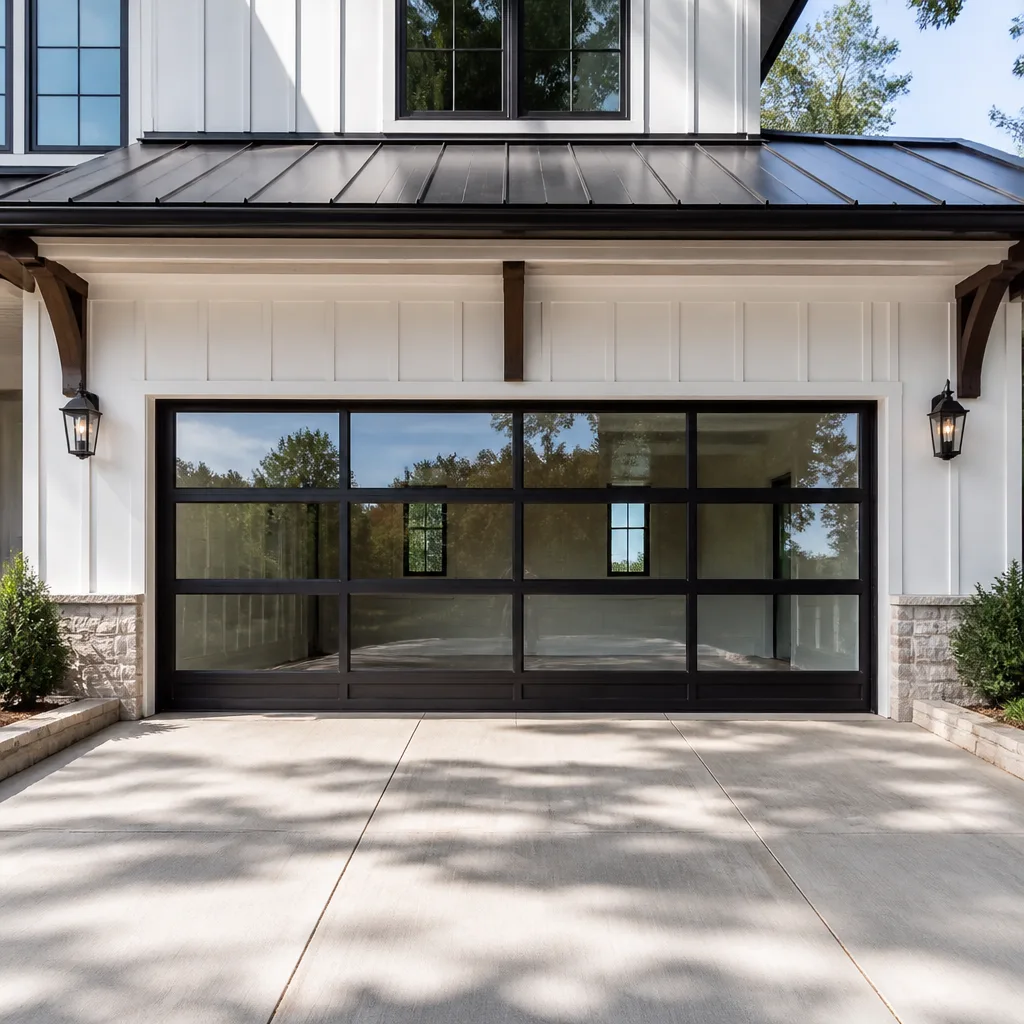 Full-view glass
 LiftMaster openers
 Chamberlain openers
Full 25-point door and opener safety check with every visit - springs, cables, rollers, tracks, and your LiftMaster or Chamberlain opener included
You get a price before we start. It does not change when the pro arrives.
Get your free estimateGarage Door Warning Signs: A Fairfield Homeowner’s Reference Guide
Most garage doors don’t fail without warning. They complain first. A door that hesitates for two seconds before it moves isn’t quirky, and a spring that twangs once on a cold morning isn’t settling in. In our experience, a torsion spring that starts losing tension like that typically breaks within 60 to 90 days, and the homeowner who noticed the hesitation could have booked a repair on their own schedule instead of paying for an emergency call. Fairfield garages take a particular beating: humid summers swell wood frames, winter cold makes tired metal brittle, and a lot of the housing stock around town has doors and openers that are well into their second decade. This guide maps each warning sign to the part behind it and tells you what’s a watch-tonight issue versus a call-tomorrow issue.
Quick Answer
Call a garage door professional when you hear grinding, popping or squealing, when the door moves unevenly or reverses on its own, when you see a gap or sag in the spring above the door, or when a cable looks kinked or frayed. Those signs point to springs, cables, rollers or opener components that are failing, and several of them are safety issues, not inconveniences. Squeaks and slow response times are usually a scheduled-appointment matter; a snapped spring, a hanging door or a cable off its drum is a same-day call.
Styles & brands we work with
- Raised-panel steel
- Carriage house
- Modern flush
- Full-view glass
- LiftMaster openers
- Chamberlain openers
Table of Contents
- The Symptom-to-Cause Index: What Each Sound and Behavior Means
- What the Noises Are Telling You
- Visual Warning Signs Homeowners Walk Past Every Day
- Opener Behavior: Slow Response, Reversing and Partial Operation
- The Urgency Tier: Tonight, Tomorrow, or Schedule It
- Warning Signs That Are Safety Risks, Not Inconveniences
- Seasonal Patterns in Fairfield: What Each Season Tends to Reveal
- Common Mistakes to Avoid
The Symptom-to-Cause Index: What Each Sound and Behavior Means
This is the section to bookmark. Every garage door failure we diagnose traces back to a small number of components: the torsion spring (or extension springs on older doors), the cables and their drums, the rollers, the hinges, the track, and the opener itself. The symptom almost always tells you which one is struggling. Here’s how the mapping works in practice.
- Loud bang from the garage, then the door won’t lift: a torsion spring has snapped. The two halves of a broken torsion spring separate with a sound that carries through the house. This is a same-day call.
- Grinding or rumbling as the door travels: worn rollers, dry hinges or a track that’s out of alignment. The grinding is metal on metal, and it gets worse the longer it runs.
- Popping or snapping that repeats at the same spot in the door’s travel: a roller binding in a dented or misaligned section of track, or a hinge that’s pulled loose from the panel.
- High-pitched squeal: usually a roller or hinge that needs lubrication, but on an older door it can mean a cable is rubbing where it shouldn’t.
- A door that lifts a foot and stops: a spring that’s lost tension or an opener that’s meeting more resistance than its force setting allows.
- Door drifts back down a few inches after opening: a spring that’s no longer balanced against the door’s weight.
- Door slams shut instead of settling: spring tension too low, or a broken spring on one side of an extension-spring door.
The pattern matters more than any single symptom. A door that squeaks but runs smoothly is a lubrication and roller job. A door that hesitates, drifts and runs roughly is a spring problem working its way toward a break. If you’re hearing any of these, a garage door repair visit starts with a full inspection of the spring, cable, track and roller set, because the part making the noise is often not the part that’s failing.
What the Noises Are Telling You
Garage doors have a normal soundtrack: a low, even hum from the opener, a soft roll of the panels, a gentle click when the trolley engages. Anything outside that repertoire is information. Learning to separate “this door is loud” from “this door is telling me something” saves Fairfield homeowners a lot of money.
Grinding
Grinding is almost always the roller and track interface. Steel rollers lose their bearings, nylon rollers flat-spot, and either way the roller starts dragging instead of rolling. A bent track does the same thing by trapping the roller. Grinding left alone will eventually wear the roller stem thin enough to break, and a roller that fails mid-travel can drop the door off its track. This is a scheduled-appointment issue on a door that still operates normally, and an urgent one if the door is also binding.
Popping
Popping that repeats at the same point in the door’s travel is usually a hinge or a track section. Ruling it out takes a visual check from the ground: look for a hinge plate that’s bent away from the panel, or a track section where the door seems to catch. Don’t try to force the door past a pop; the strain goes straight into the opener’s gear and the spring.
Squealing
A squeal is friction with a high pitch, which usually means metal sliding where it should be rolling, or a dry hinge pin. Lubrication quiets it, but if the squeal comes back within a few weeks, something is misaligned. On an older door, a squeal can also be a cable rubbing its drum, and that one needs eyes on it.
The Bang
The bang of a breaking spring is unmistakable, and it’s the one noise that means the door should not be operated at all. The spring above the door stores enormous energy, and once it’s broken the door can be dangerously heavy. We take these calls as emergencies because a door that’s stuck open overnight leaves the house unsecured in a way that no lock on the man door fixes.
Visual Warning Signs Homeowners Walk Past Every Day
Most people look at their garage door twice a day and never actually see it. A quick visual check from ground level, once a month, catches the following before they turn into breakdowns. You’re not inspecting or adjusting anything, just looking.
- The spring above the door. On a torsion system there’s a horizontal spring across the header with a visible gap between coils when the door is closed. If that gap looks wider than it used to, or if you can see a section of spring that’s clearly stretched apart, it’s losing tension. The hook at the end of a torsion spring should look tight and intact, not open or bent.
- A two-spring setup with one spring that looks different. Torsion systems often carry two springs. They should look identical. If one is noticeably more compressed or missing a segment, that’s the one to flag.
- The cables. Cables run down each side of the door and wind around drums at the top corners. They should be tight and straight. Kinks, frayed strands or a cable that’s jumped off its drum are all urgent.
- The track. Stand back and look down each vertical track. It should be straight and parallel to the door edge. Dents, bends or a track that bows outward will cause the door to bind.
- The panels. A gap between panels, a hinge that’s pulling away, or a panel that looks tilted relative to its neighbor points to a stress problem in the door itself.
- The bottom seal and the floor line. A door that doesn’t close flush leaves a daylight gap and lets water and cold air in. That’s a seal or alignment issue worth fixing before it becomes a track problem.
- The concrete at the door. Cracks or settling under the door track can throw the whole system out of square, and the door will start binding at the bottom corners.
Fairfield’s housing runs from older homes with wood-framed openings to newer construction with steel and composite doors, and the visual signs differ slightly. Wood frames swell in humid weather and can pinch a track; steel doors show a sagging panel more clearly. What doesn’t change is what normal looks like: straight tracks, tight cables, an evenly coiled spring, flush panels.
Opener Behavior: Slow Response, Reversing and Partial Operation
The opener is the part homeowners talk to, so it takes the blame for problems that start elsewhere. A door that reverses unexpectedly or stops partway is reporting a resistance problem, not usually a defective motor. Reading the opener’s behavior correctly saves you from replacing a unit that’s fine.
- Slow response to the remote: often a weak battery, a dirty safety sensor lens, or an older opener losing range. If the wall button works instantly and the remote doesn’t, the opener is fine and the remote is the issue.
- Door reverses after touching the floor: the opener’s force limit is being exceeded, usually because the door is binding on a track or the spring is out of balance. The opener thinks it hit an obstruction. Don’t just turn the force up; find the bind.
- Door reverses partway up: the same resistance logic applies in the other direction, or the safety sensors are misaligned. Check that the two sensor lights at the bottom of the tracks are solid, not flickering.
- Door stops partway and won’t continue: a failing limit switch, a stripped gear in the opener, or the door binding. On a LiftMaster or Chamberlain unit this is often a diagnostic code on the motor head; on a Genie or Craftsman opener it’s often a mechanical symptom like a stripped drive gear.
- Opener runs but the door doesn’t move: the trolley has released or the drive gear is gone. This is a repair, not a replacement, in most cases.
- Lights flash and the door doesn’t move: the safety system is triggered. Check for anything in the sensor path, including a spider web or a leaf resting against the lens.
We work on both the professional-grade openers (LiftMaster and Chamberlain) and the consumer brands that dominate older Fairfield homes (Genie and Craftsman), so a diagnosis usually comes down to the same question: is this a motor problem, a part problem or a door problem? That answer decides whether you’re booking garage door opener repair or a door-side repair.
The Urgency Tier: Tonight, Tomorrow, or Schedule It
Not every warning sign needs a same-day response, and treating them all the same either panics people or teaches them to ignore real dangers. Here’s the tiering we use when a Fairfield homeowner calls and describes what they’re seeing. It’s the difference between a late-night emergency call and a routine appointment you book for a convenient morning.
Tier 1: Same-Day Attention
Call today. These signs mean the door is unsafe to operate or the house is unsecured:
- A snapped spring (bang followed by a door that won’t lift or won’t stay up)
- A door hanging from one cable, or a cable off its drum
- A door that’s off its track and sitting crooked
- A door stuck open with nobody available to secure it
- A door that has dropped or slammed shut
- Any visible structural damage to the panels or the header
Tier 2: Book It This Week
Schedule a repair within days. The door still works, but it’s getting worse:
- Loud grinding, popping or squealing that’s developed recently
- A door that hesitates, drifts down after opening, or moves unevenly
- An opener that reverses partway up or stops partway down
- A visible spring gap or one spring in a pair that looks stretched
- A door that closes with a daylight gap along the floor
Tier 3: Routine and DIY
These are maintenance and small fixes, and doing them early prevents the tiers above:
- Lubricating rollers and hinges with a garage-door-rated lubricant
- Cleaning sensor lenses and checking that both lights are solid
- Replacing remote batteries
- Clearing debris from the track
If you’re not sure which tier you’re in, call and describe it. Fairfield Garage Door Repair Co offers free estimates in Fairfield – call (833) 726-0705. A two-minute conversation is cheaper than a night spent wondering whether the door is safe.
Warning Signs That Are Safety Risks, Not Inconveniences
A torsion spring can carry enough stored energy to lift a car off the ground when it releases, and a garage door with a failed spring or a damaged cable is not a project to take on yourself. This is the part of the guide where we’re deliberately blunt: springs, cables and the drums they wind on are professionally dangerous components, and adjusting or removing them without the right tools and training can cause serious injury. We recommend a trained professional for anything in this category.
Here’s the safety-signal checklist. Any one of these means stop using the door and call:
- The spring above the door is broken, stretched to a visible gap, or missing a section.
- A cable is kinked, frayed, loose, or hanging off its drum.
- The door is crooked, off-track, or visibly out of square with the opening.
- The door won’t stay up when you lift it by hand (this is a spring balance problem).
- The door closes with a slam instead of a controlled settle.
- The opener’s safety sensors aren’t both lit and steady.
- The door reverses unexpectedly and you can’t identify why.
- You can see daylight under or through the door when it’s closed where it should be sealed.
The sensor and reversal issues matter more than people think. A door that reverses on the way down, or fails to reverse on contact, is a door that can close on a person or a pet. That doesn’t need a scheduled look next month; it needs a check this week. Our technicians have up to 9 years of experience, and we treat spring and cable work as its own discipline rather than a side job. If you’re seeing a spring and a cable sign together, that’s a garage door spring repair issue first and a full inspection second.
Seasonal Patterns in Fairfield: What Each Season Tends to Reveal
Fairfield sits where humid summers, wet springs and cold winters all take a turn on the same garage door. The warning signs follow a calendar, and knowing what’s likely to surface when helps you look for it.
Spring and Fall
The temperature swings are what finish off tired springs. Metal that’s been expanding and contracting all winter can fail on the first warm day, and a door that was fine in October often announces a spring problem in March. Fall is when we see cables and hinges pick up moisture and start to squeal, and when track alignment drifts as the ground under the slab moves with the wet season. This is the best time to book a preventive inspection.
Summer
Humidity is the summer issue. Wood framing swells and can pinch the track; hinges stiffen; the opener has to work harder against a door that’s moving less freely. If your door gets noticeably louder in August, that’s not imagination. It’s the door telling you the rollers and hinges need attention before the cold locks them in.
Winter
Cold is what breaks things. Lubricant thickens, metal gets brittle, and a spring that lost tension in the fall is far more likely to snap when the temperature drops. A door that hesitates on a January morning is a door with a spring problem, not a door that’s cold. If you saw that hesitation last winter and did nothing, this is the year to have the spring checked before the first hard freeze.
Craftsman and Genie openers are especially worth watching through a Fairfield winter, since an older unit straining against a stiff door can strip its drive gear. A worn-out opener isn’t dangerous the way a broken spring is, but it’s an annoying repair to need when the door is stuck down.
Common Mistakes to Avoid
- Treating the door like it’s being temperamental. If the door hesitates before it moves, it has a spring losing tension. Waiting is what turns a spring repair into an emergency call.
- Turning up the opener’s force setting to stop reversing. The opener is reversing because the door is binding or the spring is out of balance. Cranking up the force to push through the bind is a way to stress the whole system.
- Lubricating a spring that’s already failed. A broken or stretched spring needs replacement, and no amount of lubricant brings it back. If you can see a gap or a missing segment, that’s a call, not a can of spray.
- Assuming the door needs replacing when it just needs a repair. In our experience, most Fairfield doors that look “done” need springs, rollers, hinges or an opener part, not a whole new door. A Clopay or Amarr door from earlier construction is often worth repairing rather than replacing.
- Letting a door sit stuck open overnight. A door stuck open is an open door to the house. That’s what emergency garage door service is for.
- Ignoring a daylight gap along the floor. A door that doesn’t seal lets in water and cold, and it usually means the door is out of balance or the seal has failed. Both get worse in a Fairfield winter.
- Booking the first company that answers without asking about your brand. A technician who works on Clopay, Amarr, Chamberlain and Genie hardware as a matter of course diagnoses faster than one who has to order a part sight unseen.
See the difference
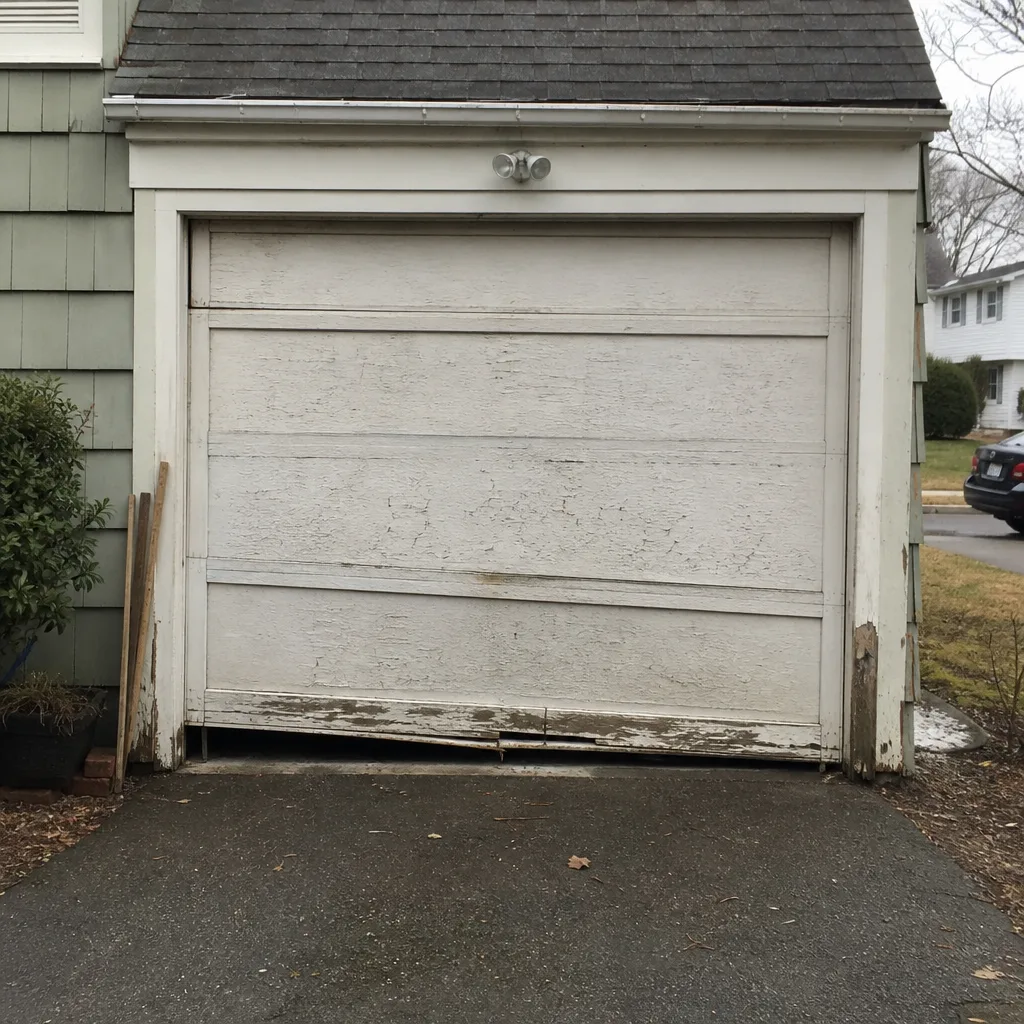 Before
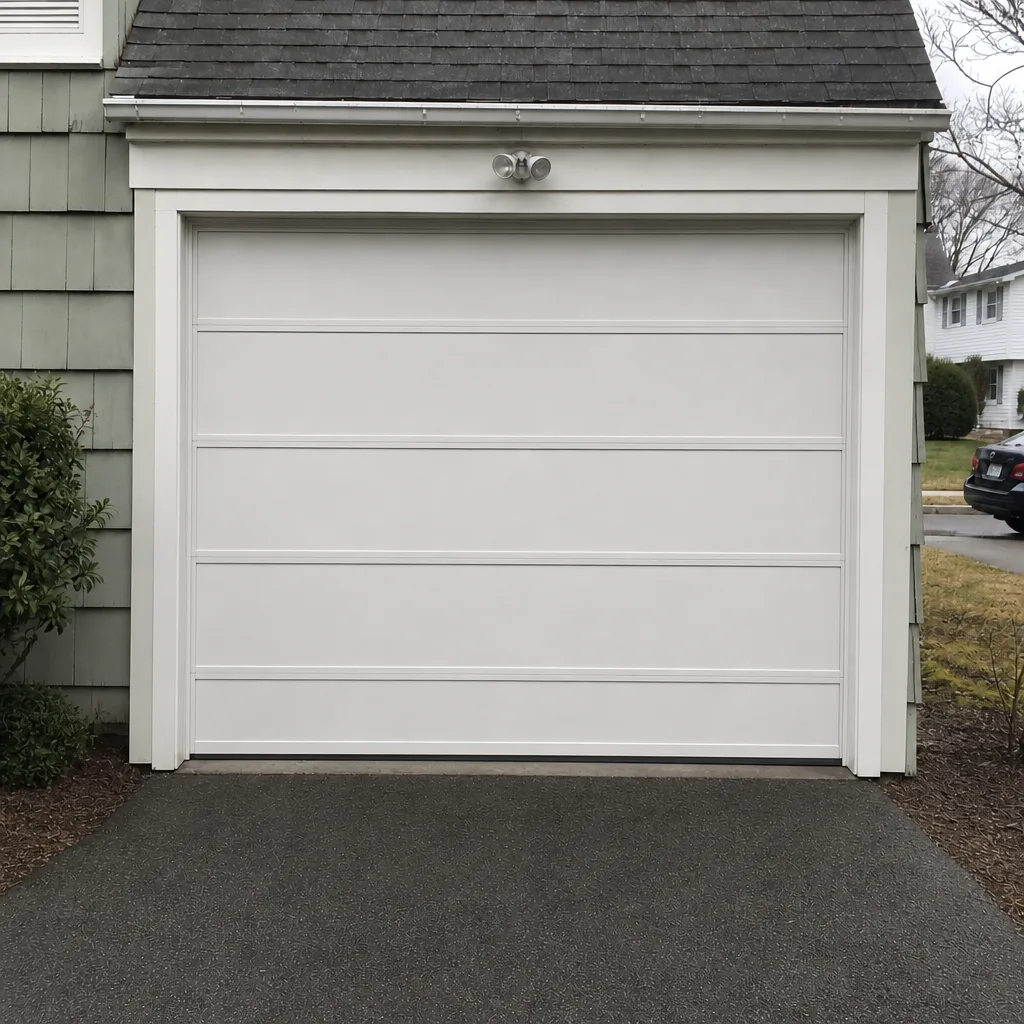 After
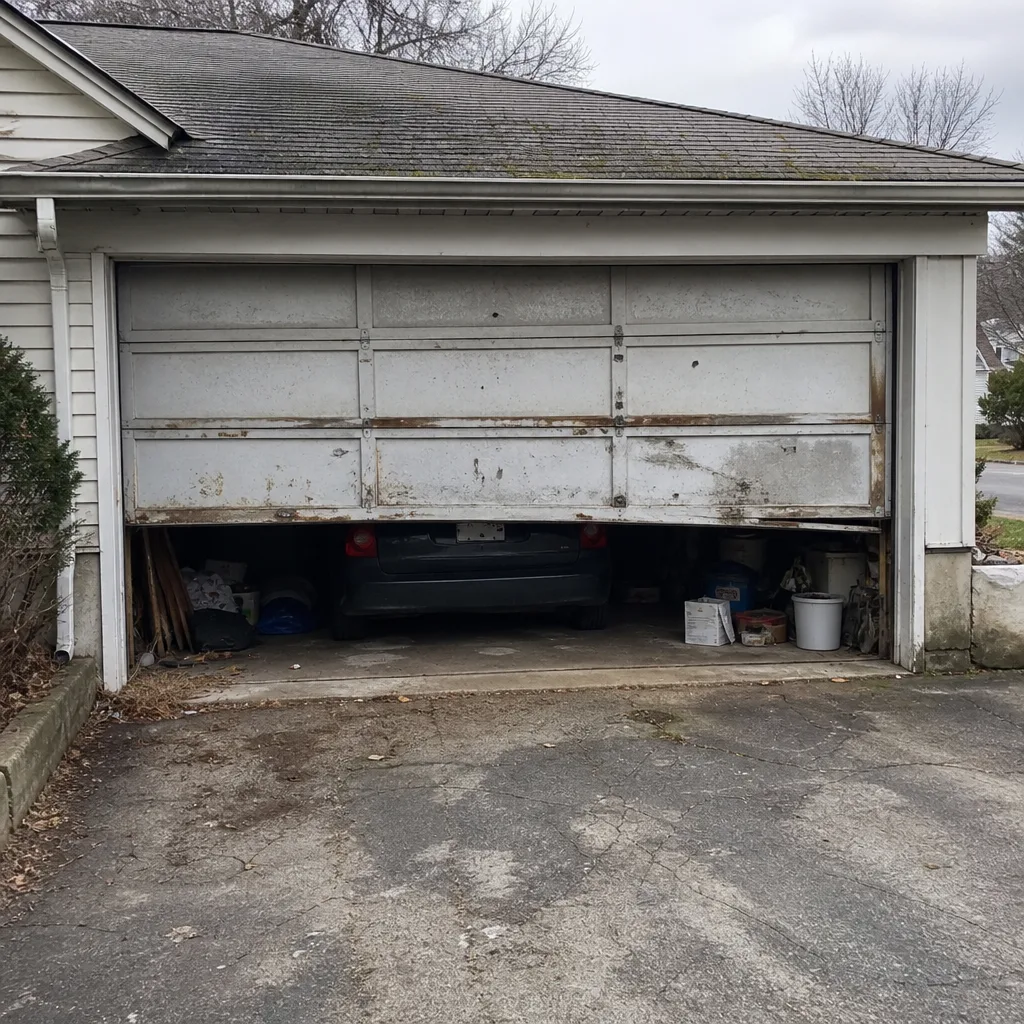 Before
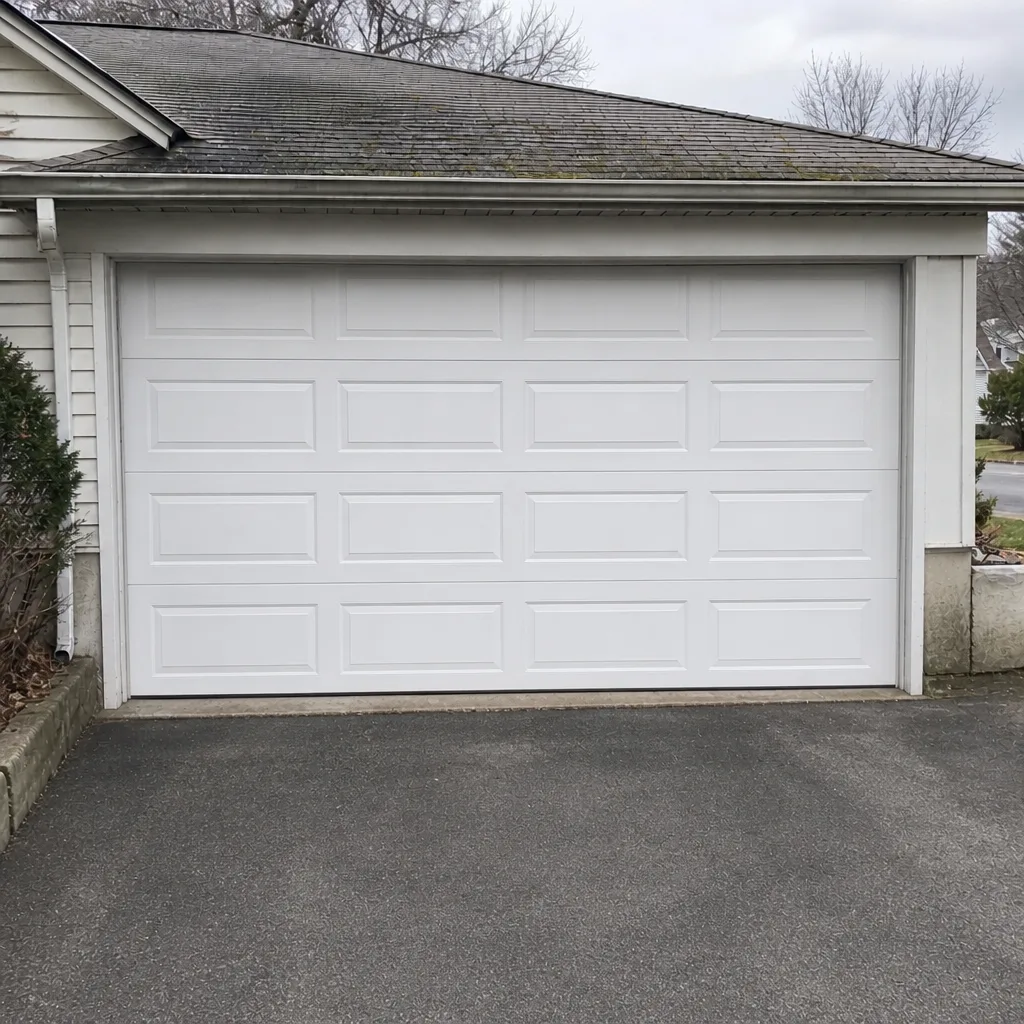 After
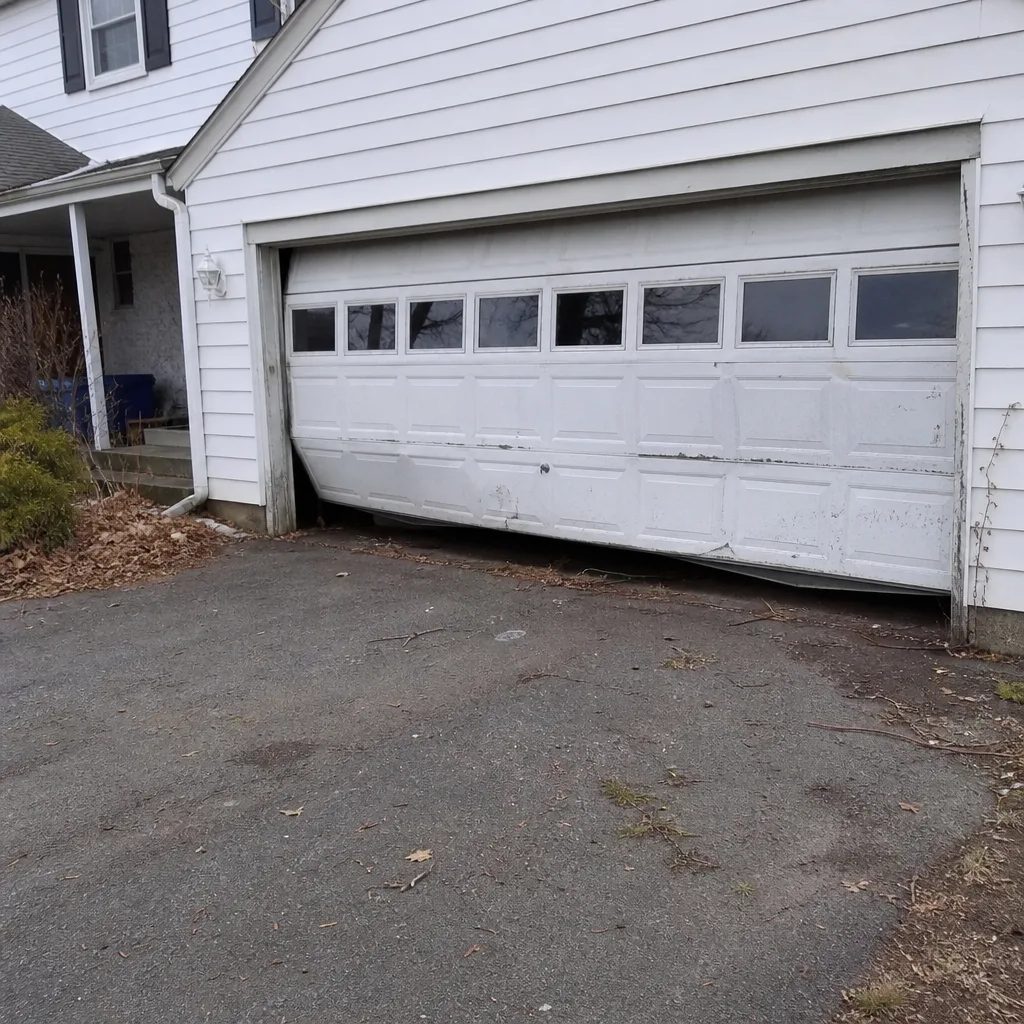 Before
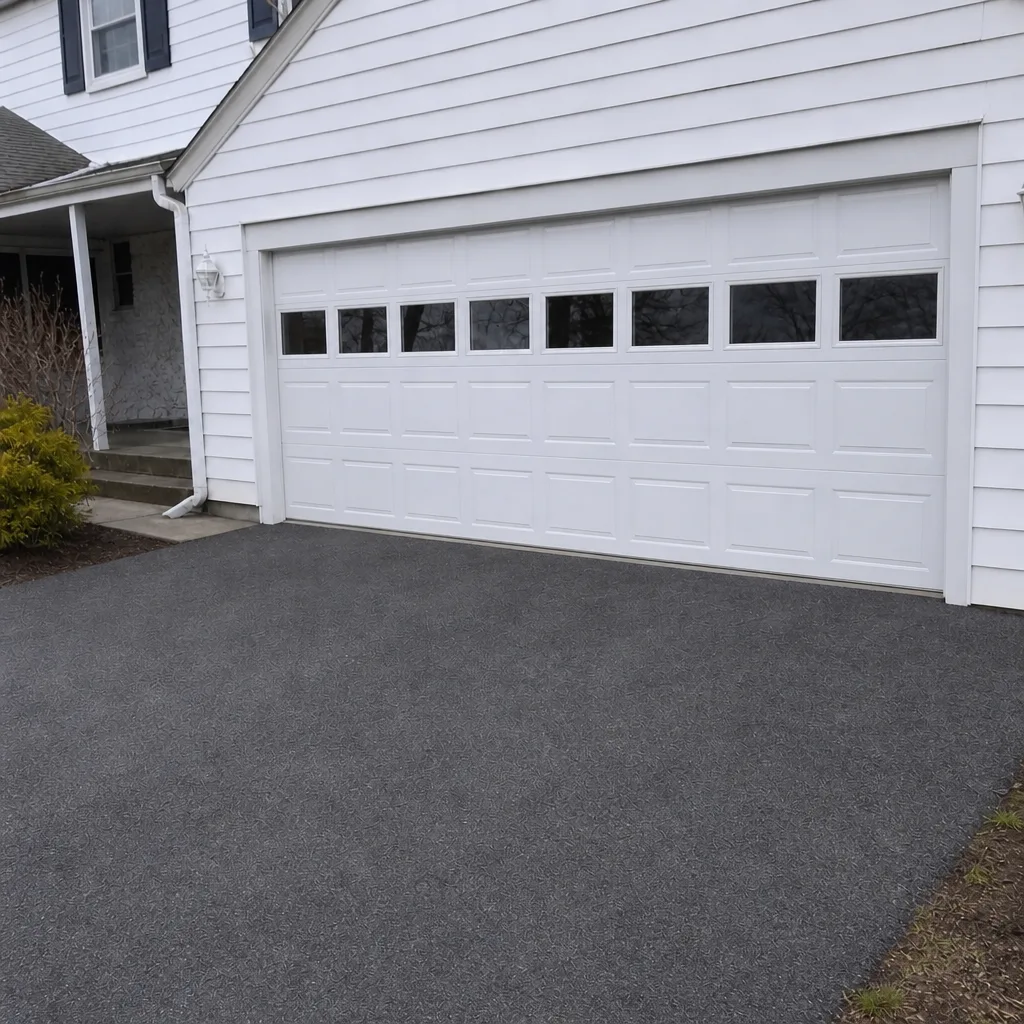 After
When to Call a Professional
Call when the door won’t stay up, when you’ve heard a bang, when a cable looks kinked or loose, or when the door is off its track. Call when the opener reverses unexpectedly and you can’t find an obstruction. Call when the grinding or popping has shown up recently, even if the door still opens. And call before you start looking up how to adjust a spring yourself, because that’s the one part of this system where a small mistake causes serious injury.
A professional visit in Fairfield means an inspection of the whole system, not just the part that’s making noise. That matters because springs, cables, rollers and the opener age together, and fixing one without checking the others is how a repair turns into a callback. Fairfield Garage Door Repair Co connects you with local professionals who work on the full range of brands, from LiftMaster and Chamberlain openers to Clopay and Amarr doors. One call covers the door, the hardware and the opener. Fairfield Garage Door Repair Co offers free estimates in Fairfield – call (833) 726-0705.
Frequently Asked Questions
A spring that’s about to break usually shows a wider gap between coils, a visible stretch, or a door that hesitates or drifts down after opening. Those symptoms typically appear weeks or a couple of months before a break, so a spring that’s behaving this way is worth checking now. In our experience, the hesitation is the most reliable early sign. Call (833) 726-0705 to book an inspection – estimates are free.
No. A door with a broken spring is heavy, unpredictable, and can drop without warning, so it should not be operated by hand or by the opener. The spring stores enormous energy, and the door needs a trained professional to replace it safely. Call for same-day emergency service rather than testing the door to see how bad it is.
You can wait a few days, but grinding doesn’t fix itself. It’s usually worn rollers, dry hinges or a track that’s out of alignment, and running the door on that friction wears the parts faster. Book a repair this week rather than waiting for the door to bind or come off track. Call (833) 726-0705 for a free estimate.
The opener is detecting resistance and treating it as an obstruction, which means the door is binding on its track or the spring is out of balance. It can also be a misaligned safety sensor, so start by checking that both sensor lights at the bottom of the tracks are solid. If they are, the door needs a professional look.
Repairs vary widely by part. A roller and hinge service typically runs $150 to $300, a torsion spring replacement is usually $180 to $340 for one spring (about twice that for a matched pair, since they’re replaced together), and opener repairs commonly land between $150 and $400 depending on the part. Fairfield Garage Door Repair Co quotes the price in writing and agrees it with you before any work starts. Call (833) 726-0705 for an exact quote – estimates are free.
Yes, in most cases. We service LiftMaster, Chamberlain, Genie, Clopay, Amarr, Wayne Dalton, Craftsman and Raynor products, and our technicians have up to 9 years of experience across those systems. If your equipment falls outside that list, call and describe it, and we’ll tell you honestly whether it’s a good fit. Call (833) 726-0705.
The Bottom Line
The garage door warns you before it fails, and the early warnings almost always fall into three categories: sound, sight and behavior. Grinding and popping mean rollers and track. Wide spring gaps, kinked cables and crooked panels mean spring and cable problems, and those are the ones that need immediate attention. A door that hesitates, drifts or reverses is a door with a balance or obstruction problem. Sorting your symptom into the right tier is the whole game: tonight, this week, or routine. If you’re unsure, call and describe it, because the cost of a check is small next to the cost of a door that falls.
Fairfield Garage Door Repair Co handles repair, opener repair, spring repair, installation and emergency service across the major brands, so you’re not chasing down a second company for the second half of the problem. Our technicians have up to 9 years of experience, we quote the price and agree it before any work starts, and estimates are free. Call (833) 726-0705 and tell us what your door is doing.
Written by the team at Fairfield Garage Door Repair Co.