Last updated November 23, 2026
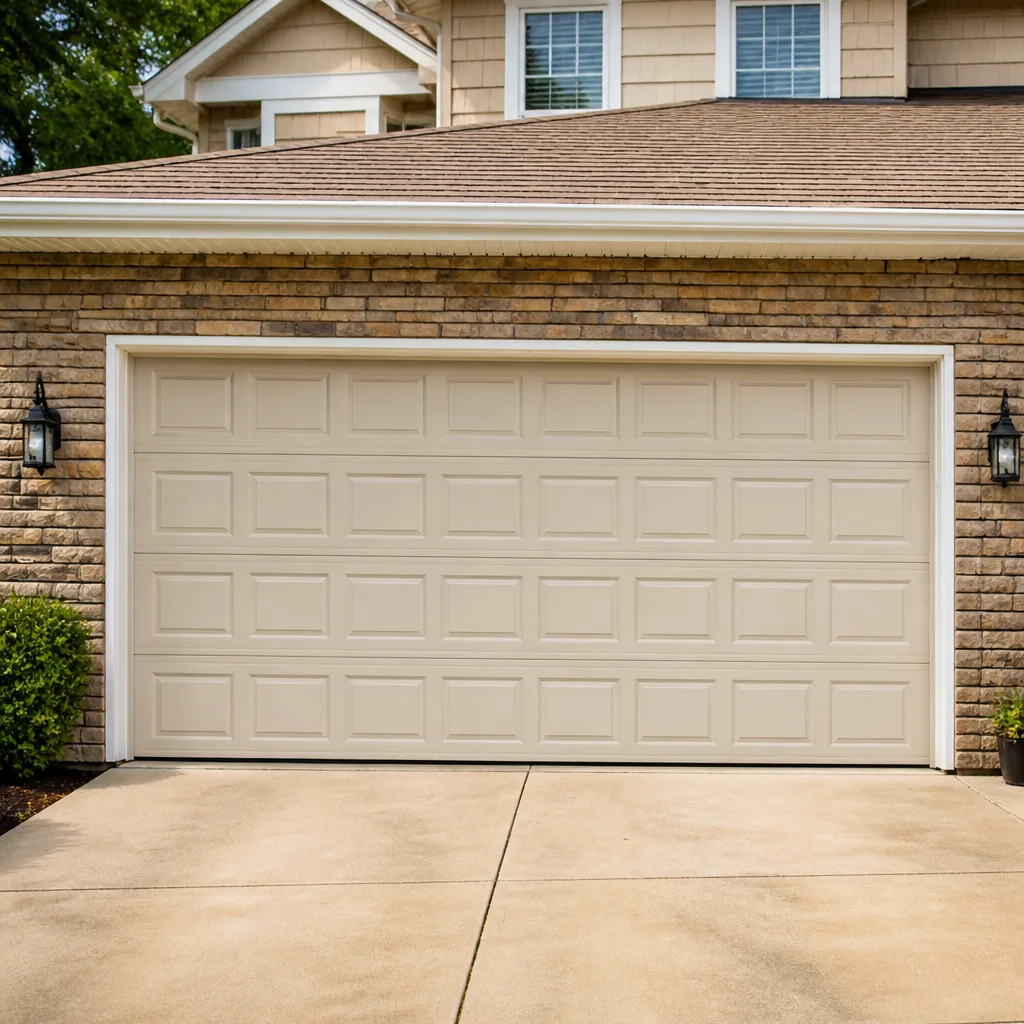 Raised-panel steel
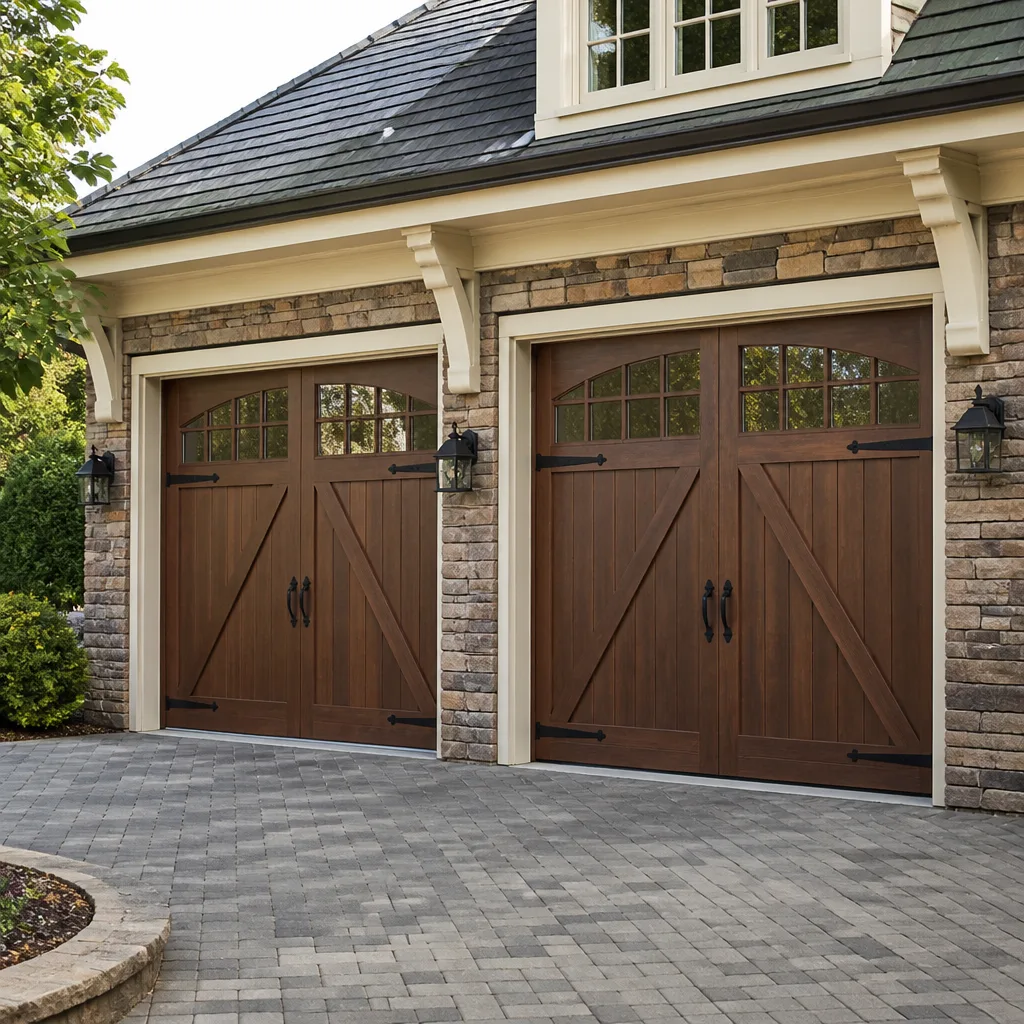 Carriage house
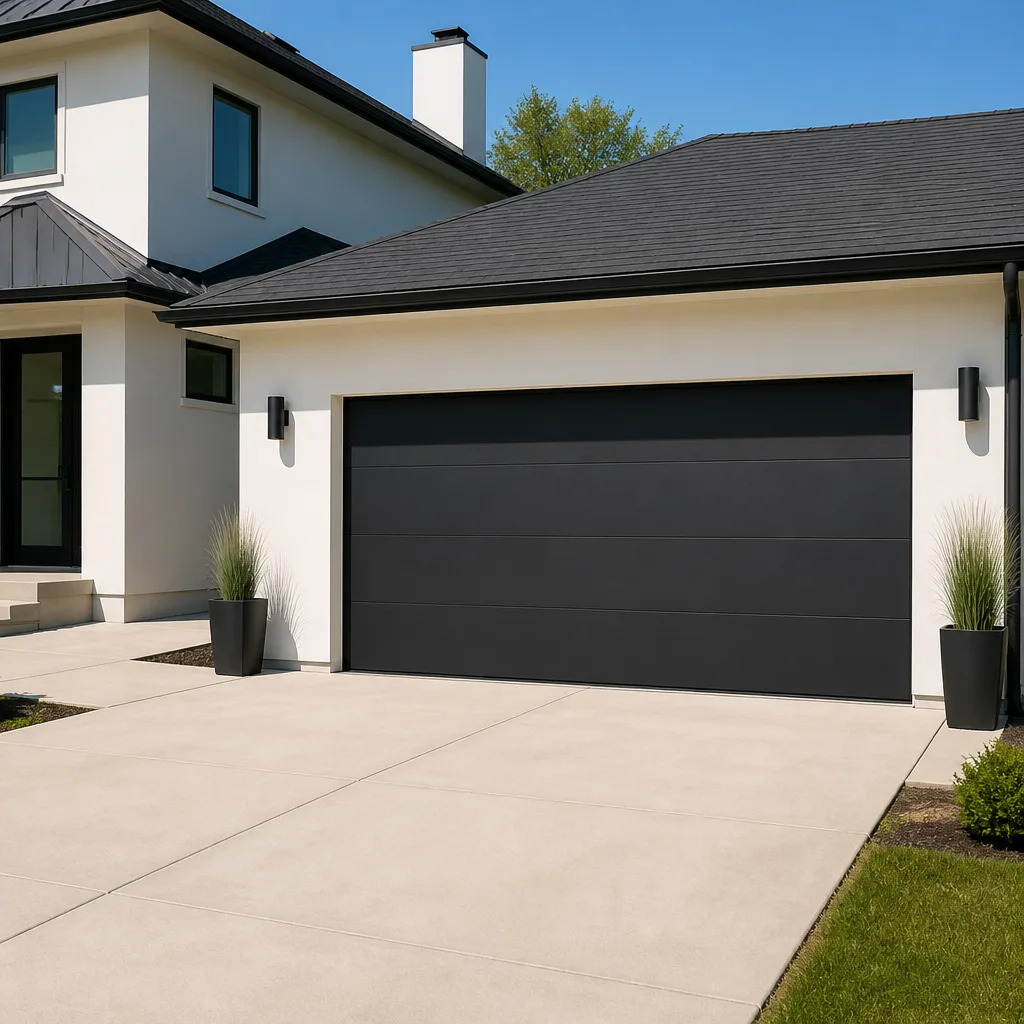 Modern flush
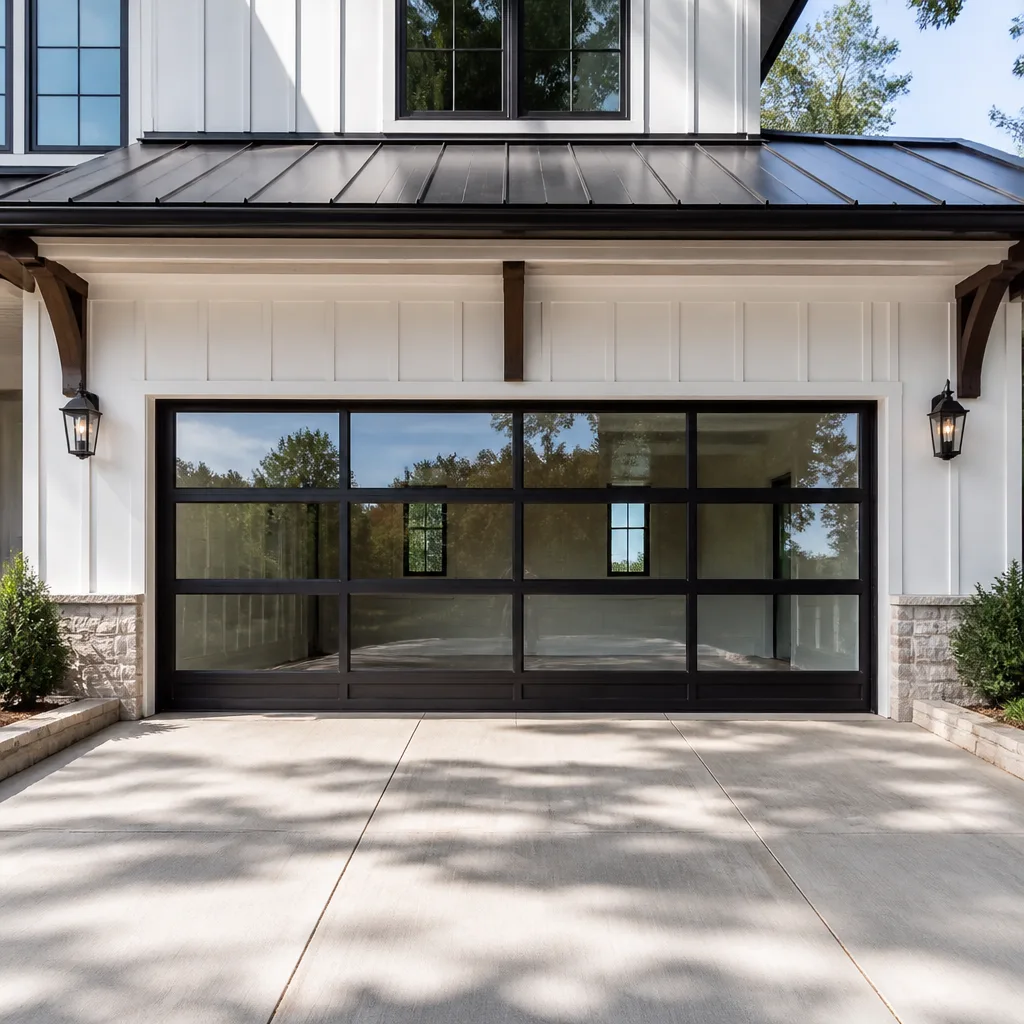 Full-view glass
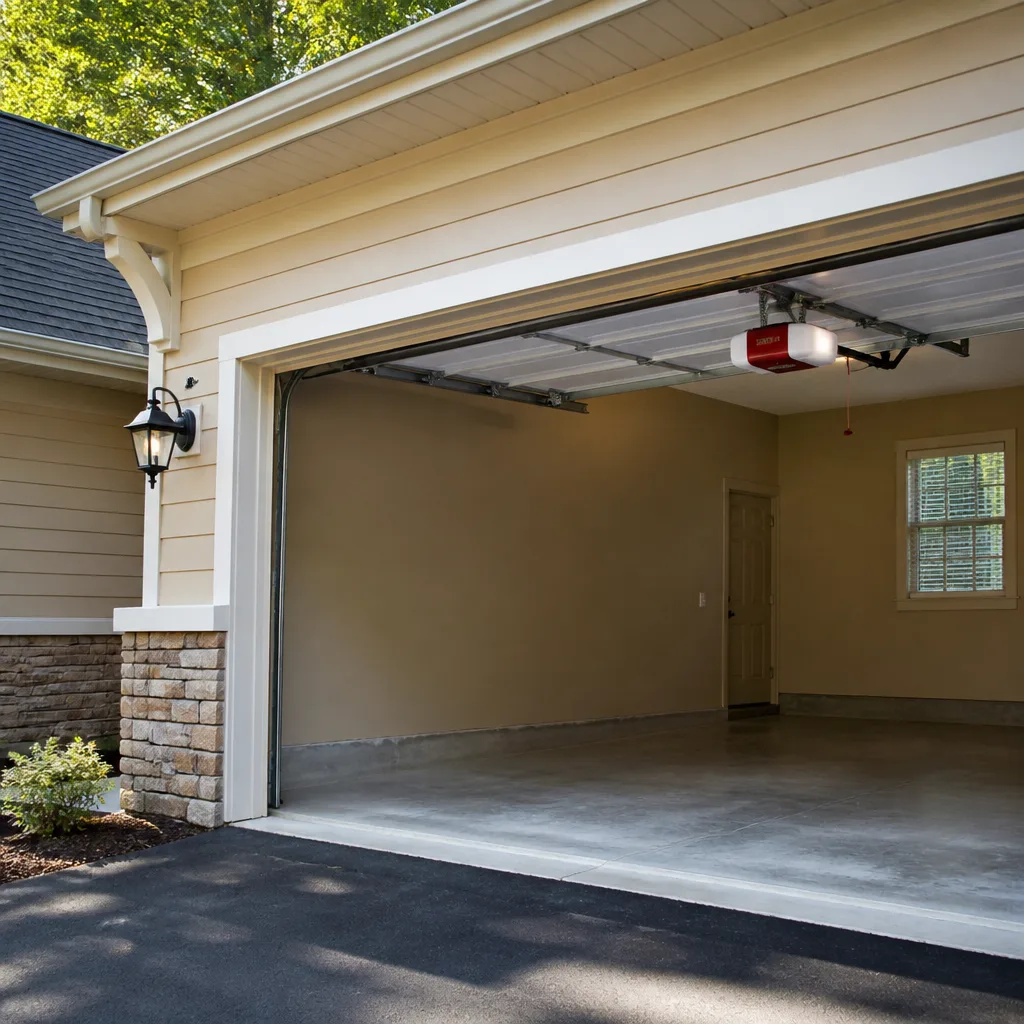 LiftMaster openers
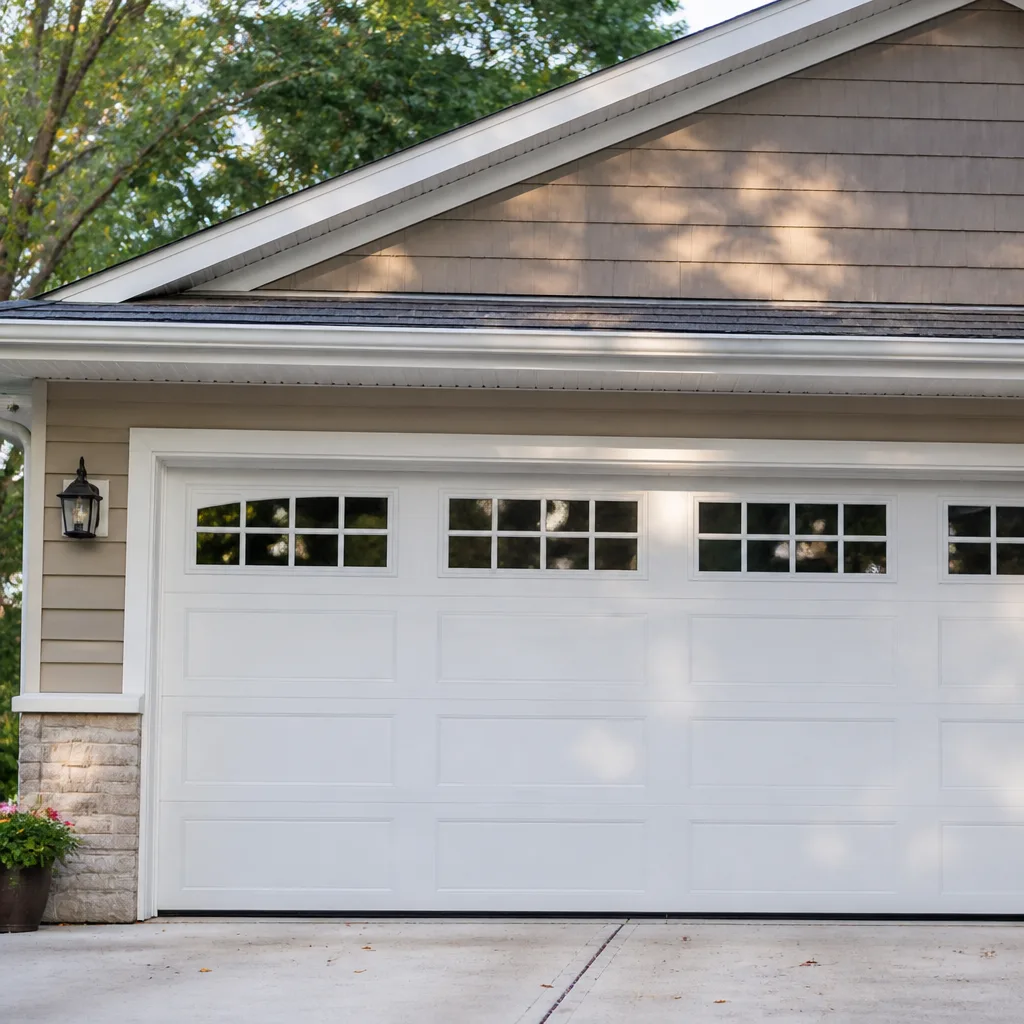 Chamberlain openers
Full 25-point door and opener safety check with every visit - springs, cables, rollers, tracks, and your LiftMaster or Chamberlain opener included
You get a price before we start. It does not change when the pro arrives.
Get your free estimateThe Complete Guide to Garage Doors in Fairfield
Most Fairfield homeowners don’t think about their garage door until it traps their car inside at 7am on a workday. By then, they’re making decisions under pressure, with no context and a stranger on the phone quoting numbers they can’t evaluate. That’s the wrong way to learn about the biggest moving part of your house.
A garage door is a system, not a collection of parts. The springs, cables, tracks, panels, and opener all depend on each other, and a failure in one usually shows up as a symptom in another. This guide walks through that system in plain terms, covers what’s specific to Fairfield homes and weather, and helps you read your own door’s specs so any contractor you call starts the conversation on equal footing.
Quick Answer
A garage door is a balanced mechanical system where springs carry the door’s weight, cables connect the springs to the bottom of the door, and the opener only guides it up and down. In Fairfield, the biggest local factors are humidity and freeze-thaw cycles, which wear springs and cables faster than in drier inland towns, plus older Colonial and Cape Cod homes that often have non-standard opening heights. Understanding how the parts connect is what lets you tell a door problem from an opener problem, and that saves money before anyone arrives.
Styles & brands we work with
- Raised-panel steel
- Carriage house
- Modern flush
- Full-view glass
- LiftMaster openers
- Chamberlain openers
Table of Contents
- How a Garage Door Actually Works as a System
- The Fairfield Climate Factor: Humidity and Freeze-Thaw
- Why Older Fairfield Homes Have Odd Opening Heights
- Door Problem or Opener Problem? How to Tell
- Steel, Wood, or Composite: What Holds Up Here
- How to Read Your Existing Door’s Specs
- What Garage Door Work Costs in Fairfield
- Springs and Cables: Why This Is Not a DIY Job
How a Garage Door Actually Works as a System
Think of your door as a balance scale. The torsion springs above the door (or extension springs alongside it) are wound to carry almost the entire weight of the door. The opener, which most people assume does the lifting, actually only needs to overcome a few pounds of imbalance. That’s why a door with a broken spring won’t open even with a perfectly working motor, and why a door that suddenly feels heavy is a spring problem, not an opener problem.
Here’s how the parts divide up the work:
- Springs store the energy that offsets the door’s weight. They are the heart of the system.
- Cables connect the springs to the bottom corners of the door and transfer that lift force.
- Tracks and rollers keep the door traveling in a straight, quiet path.
- Hinges and panels let the door bend as it turns the corner into the ceiling space.
- The opener pushes and pulls a balanced door along the track and holds it open or closed.
- Safety sensors at the floor stop the door if something crosses the beam.
When one part fails, it usually drags the others with it. A worn roller makes the door jerk, which strains the opener gear. A misaligned track forces the door to fight its own path, which wears the springs unevenly. That’s why we diagnose the whole system rather than swapping the part that happens to be making noise. When we talk about Fairfield Garage Door Repair Co, we mean one company looking at every part of the door, opener included, so nothing gets missed between visits.
The practical takeaway: before you call anyone, note whether the door is heavy, off-track, noisy, or simply unresponsive. That single observation tells a technician more than any description of a sound.
The Fairfield Climate Factor: Humidity and Freeze-Thaw
Fairfield’s weather is hard on garage door hardware in ways a national guide won’t explain. The combination of humid summers and repeated winter freeze-thaw cycles works on metal parts year-round. Humidity settles on steel springs and cables and starts the slow oxidation that leads to corrosion. Then winter arrives, moisture freezes in the tight gaps around springs and cables, expands, and works the metal loose season after season.
What that means in practice:
- Springs and cables are the parts most exposed to moisture because they sit in the cold, unheated space above the door.
- A garage that isn’t insulated holds more humidity in summer and more frost in winter, so the wear is worse.
- Cables that look fine in July can show fraying or rust by the following spring.
- Rollers and hinges dry out faster in a space that swings between damp and cold, which is why doors get squeaky here sooner than people expect.
We’ve seen how the seasonal swing shapes what fails and when. Springs tend to give out after the cold months, when the metal has been stressed by the freeze-thaw cycle all winter. That’s a good reason to have the door inspected before winter sets in, so a weakening spring gets caught before it snaps and leaves you with a car you can’t move. For a closer look at that specific repair, see our page on garage door spring repair.
None of this is a reason to panic about your door. It’s a reason to check it once a season and listen for the changes that signal wear. A door that suddenly gets louder, heavier, or slower is telling you something.
Why Older Fairfield Homes Have Odd Opening Heights
Fairfield has a lot of older housing stock, and older homes were not built to a single door standard. Colonial and Cape Cod styles from earlier decades often have garage openings that don’t match the sizes on a showroom floor today. That matters the moment you think about replacing a door, because a standard-size door won’t fit a non-standard opening without adjustment.
The typical surprises:
- Opening heights that are shorter or taller than the common range, which limits which door models can be ordered off the shelf.
- Low headroom above the door, meaning a standard torsion setup or a standard opener rail won’t fit without a low-headroom solution.
- Narrow or wide openings that have been framed by hand over the years, sometimes with more than one framing revision behind the trim.
- Garages added or converted later, where the opening wasn’t planned to a modern standard in the first place.
This is where measuring matters more than picking. Any company that quotes a replacement door over the phone, without measuring your actual opening and headroom, is guessing. A proper measure captures the opening width and height, the headroom, the side room, and the back room, and it catches the old-house quirks before anyone orders a door. If you’re planning ahead, our guide to garage door repair covers how a worn opening and hardware get assessed, and it’s the natural next step if you’re deciding between repair and replacement.
Here’s the practical rule for Fairfield homeowners: if your home is older and your current door fits a little unusually, expect to measure before you buy, and treat any quote that skips that step as provisional.
Door Problem or Opener Problem? How to Tell
This is the single most expensive mistake we see. A homeowner assumes the opener is dead because the door won’t move, buys a new opener, and discovers the real problem was a broken spring all along. The opener was fine; it was trying to lift a door that had lost its counterbalance and couldn’t.
Use these steps to narrow it down before you call:
- Disconnect the opener. Most openers have a manual release cord. Pull it so the door is off the motor and on its own.
- Lift the door by hand. A properly balanced door should lift with modest effort and stay where you put it. If it feels extremely heavy, a spring is likely the culprit.
- Listen for the motor. If the opener hums or clicks but the door doesn’t move, the opener or its drive is suspect.
- Check the sensors. A door that reverses immediately or refuses to close often has a misaligned safety beam, not a dead opener.
- Watch the door travel. A door that binds, jerks, or comes off the track has a door problem (rollers, tracks, or hinges), not a motor problem.
If the door lifts by hand without much struggle but the opener won’t move it, that points to the motor, the drive gear, or the logic board. If the door is heavy and the opener is straining, stop running the opener, because forcing it can burn out the motor on top of the original spring failure. For that side of the system, our page on garage door opener repair explains how the diagnosis works across the brands people actually own here.
This is also where brand knowledge pays off. LiftMaster and Chamberlain professional-line openers, and consumer models like Craftsman and Raynor, all have their own failure patterns and their own parts. A technician who works across those lines diagnoses faster than one who only knows a single brand.
Steel, Wood, or Composite: What Holds Up Here
The material question matters more in Fairfield than in a drier climate, because humidity and freeze-thaw punish the wrong choice. Here’s how the three common options behave:
- Steel holds up best overall. It resists moisture, needs little upkeep, and comes insulated for a garage that shares a wall with living space. It’s the sensible default for most Fairfield homes.
- Wood looks great and suits older Colonial and Cape Cod styles, but it needs regular sealing and repainting. In a humid climate, an untreated wood door absorbs moisture and starts to swell, warp, and rot at the bottom edge where water sits.
- Composite splits the difference. It mimics wood without the rot risk and handles moisture better than raw wood, though it costs more than basic steel.
Freeze-thaw is the deciding factor. Any material that takes on water and then freezes will crack or delaminate over time. Steel with a proper finish, and good-quality composite, shed water instead of holding it.
Brand choice matters alongside material. Clopay and Amarr both make strong steel options, and Wayne Dalton offers a range that suits different home styles. The right pick depends on your opening size, your budget, and how much insulation you want between the garage and the house.
Any of those doors still needs the right hardware behind it. Springs, cables, and rollers do the real work. A premium panel on failing springs is money in the wrong place, and matching the door to your existing opener avoids a second purchase. We work on your brand, whichever of the major lines you already own, so the door and the opener stay in step.
How to Read Your Existing Door’s Specs
Walking into a conversation with a contractor already knowing your door’s specs puts you on equal footing. It also means a quote gets built on real numbers instead of guesses. Here’s what to write down before you call, using a tape measure and a few minutes at the door:
- Opening width and height. Measure the clear opening, not the trim, at the widest and tallest points. Older Fairfield openings can vary, so measure more than once.
- Headroom. Measure from the top of the opening to the ceiling. This decides whether a standard torsion setup or a low-headroom one is possible.
- Side room. Measure from the edge of the opening to the nearest wall. That gap constrains the track and hardware.
- Back room. Measure how far the door travels back into the garage. It determines track length.
- Spring type. Note whether your springs run horizontally above the door (torsion) or along the sides (extension). Torsion is more common on newer setups.
- Opener brand and model. Grab the label on the motor unit. It tells any technician which parts and settings apply.
- Door material and panel style. Note steel, wood, or composite, and whether panels are raised or flush.
Write these on paper or snap photos of the label and the springs. When you can say “my opening is this wide, my headroom is this,” a technician can diagnose faster and quote more accurately. That’s better for everyone, and it means no one shows up expecting to measure from scratch.
What Garage Door Work Costs in Fairfield
Prices in Fairfield reflect a tight local labor market and older homes that sometimes need extra fitting, so treat the ranges below as typical estimates rather than firm numbers. The written quote you receive after a measure or an inspection is the price, and we confirm it with you before any work starts.
| Job | Typical estimated range |
|---|---|
| Spring replacement (one spring) | $180-$340 |
| Spring replacement (matched pair) | roughly double the single-spring range |
| Opener repair | $120-$280 |
| Cable replacement | $100-$200 |
| Roller and hinge refresh | $90-$180 |
| New door installation | varies by size and material; a free measure produces the figure |
A few things move the number. A matched pair of springs is replaced together far more often than a single spring, because they wear at the same rate, and a one-spring fix on an old pair usually fails soon after. Non-standard opening heights on older Fairfield homes can add fitting time. An insulated steel door or a composite model costs more up front than basic steel but lasts longer in this climate.
The best guard against a surprise invoice is to ask for the price in writing before the work begins, and confirm whether the quote covers parts and labor together. A reputable company will put it in writing and stick to it. For our part, we quote and agree the price before anyone starts, and the free estimate is exactly what it sounds like.
Springs and Cables: Why This Is Not a DIY Job
Torsion and extension springs store a lot of energy, and that energy can release suddenly. This is the one part of your garage door where a do-it-yourself attempt can put you in the hospital. Springs and cables should be handled only by a trained professional with the right tools, and we say that plainly because it’s true.
What to check without touching the springs:
- Listen for a loud bang from the garage, which can mean a spring has broken.
- Look for a visible gap between coils on a torsion spring.
- Notice frayed or rusted cables along the sides.
- Feel how heavy the door is by hand, with the opener released.
If any of those turn up, stop using the door and call for help. Springs are a dedicated service for us, not an afterthought, and we treat them with the seriousness the job deserves. Our team has up to 9 years of experience on this kind of work. When a door fails suddenly, our emergency garage door service is available for urgent situations where access or security is affected, and we’ll get you moving as fast as the situation allows.
Common Mistakes to Avoid
- Replacing the opener when the spring is broken. If the door is heavy by hand, the opener is a symptom, not the cause. Buying a new motor before checking the spring wastes money.
- Replacing a single spring when a pair has failed. Springs wear at the same rate, so a fresh spring beside an old one tends to fail early. A pair is usually the real fix.
- Skipping the measure on an older home. Fairfield’s older Colonials and Capes often need a measure before ordering a door. A phone quote without one is a guess.
- Ignoring winter prep. The freeze-thaw cycle works springs and cables hard. A pre-winter inspection catches wear before it becomes a breakdown.
- Choosing wood in a humid climate without a plan. Wood looks right on an older Fairfield home but needs regular sealing here to survive moisture and freeze-thaw.
- Hiring a general handyman for spring or cable work. These are safety-critical parts. A trained technician is the right call.
- Accepting a verbal price only. Ask for the written quote before work starts, so the number you agree to is the number you pay.
See the difference
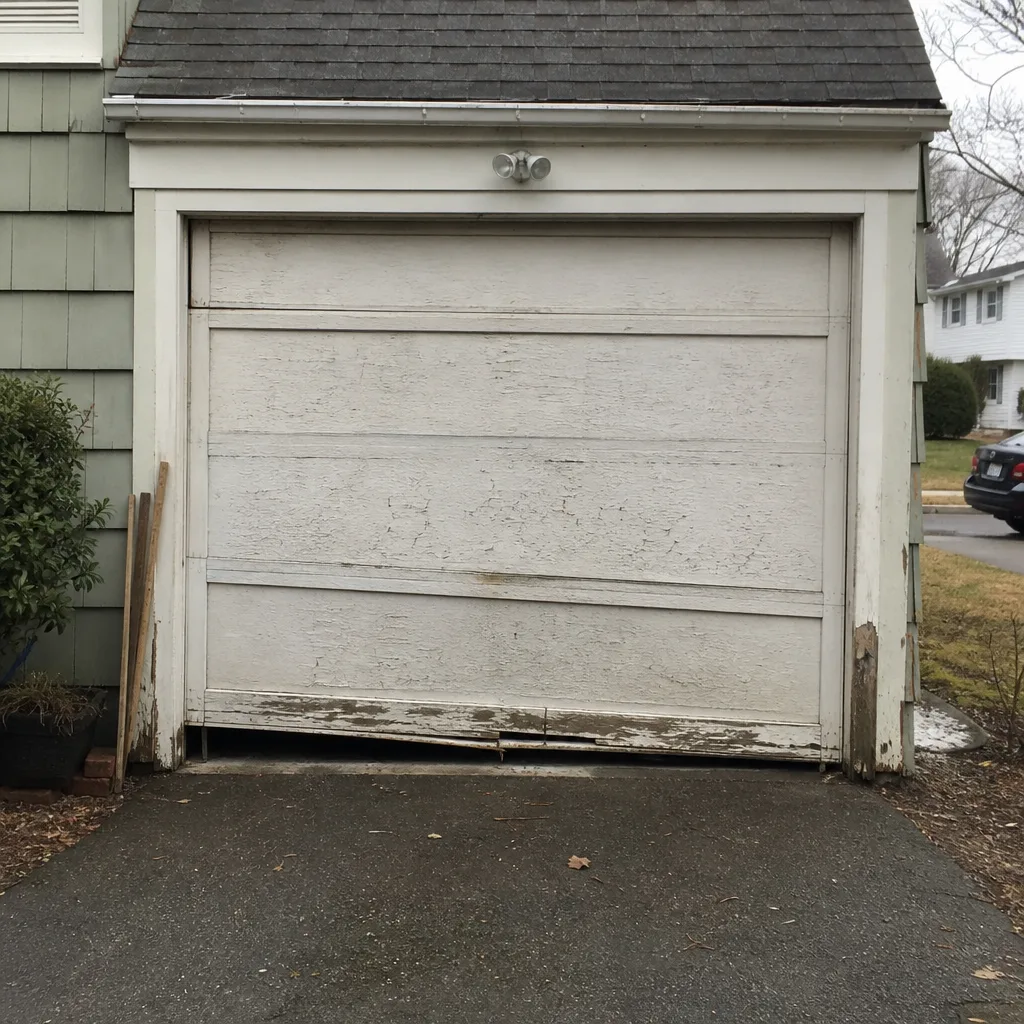 Before
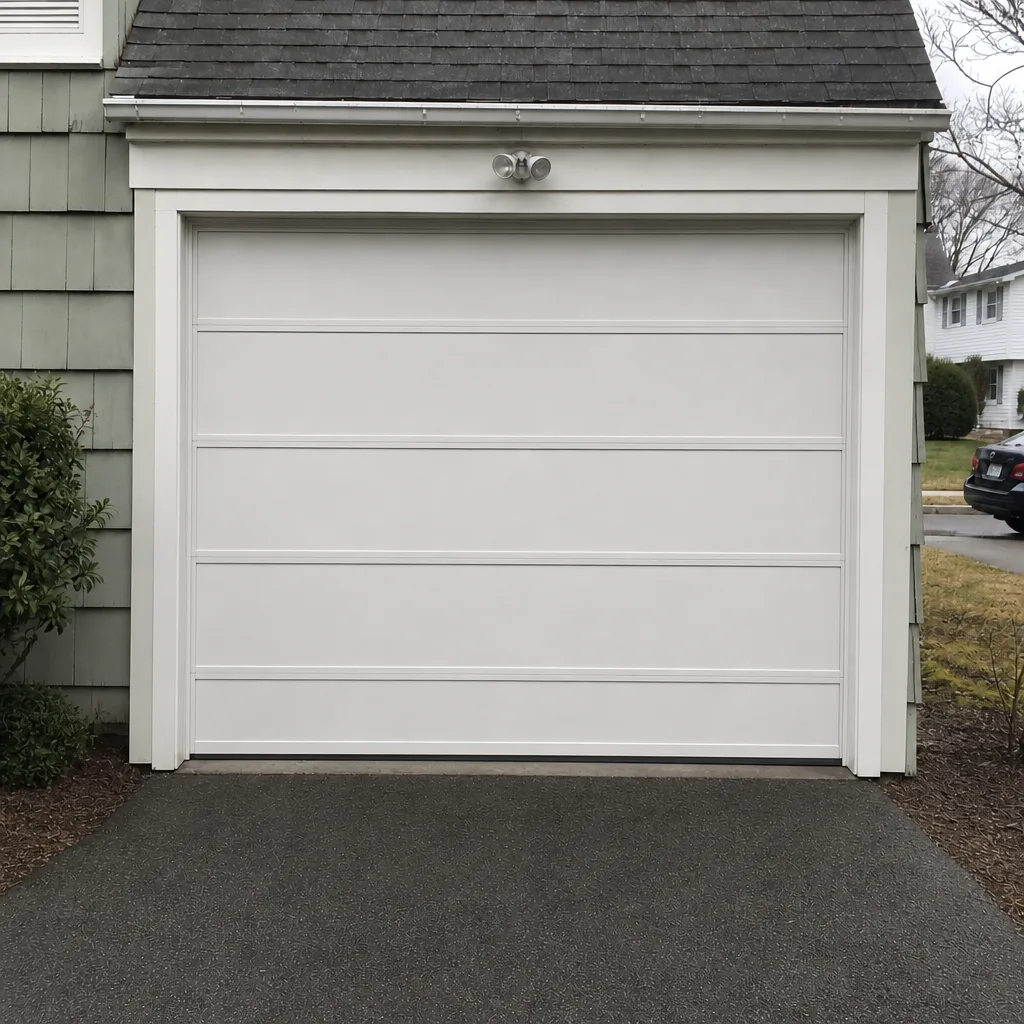 After
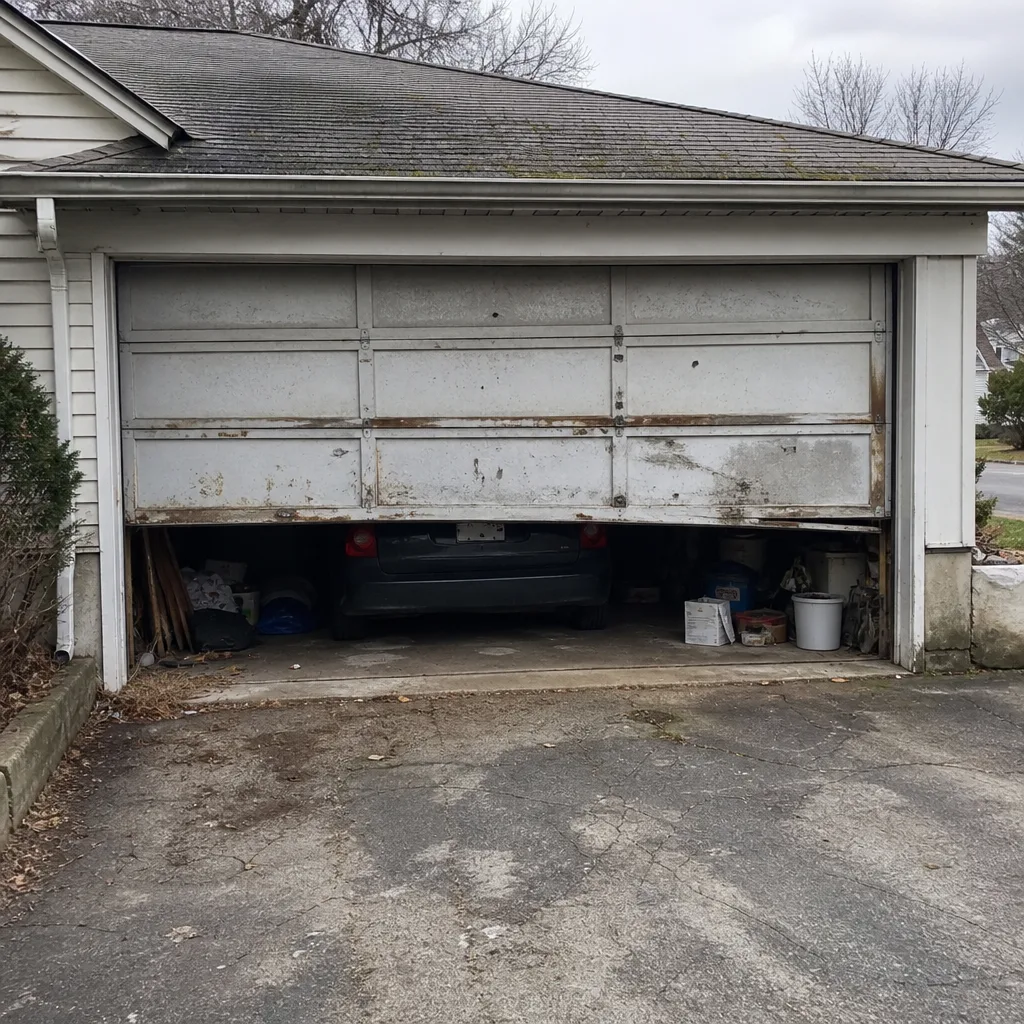 Before
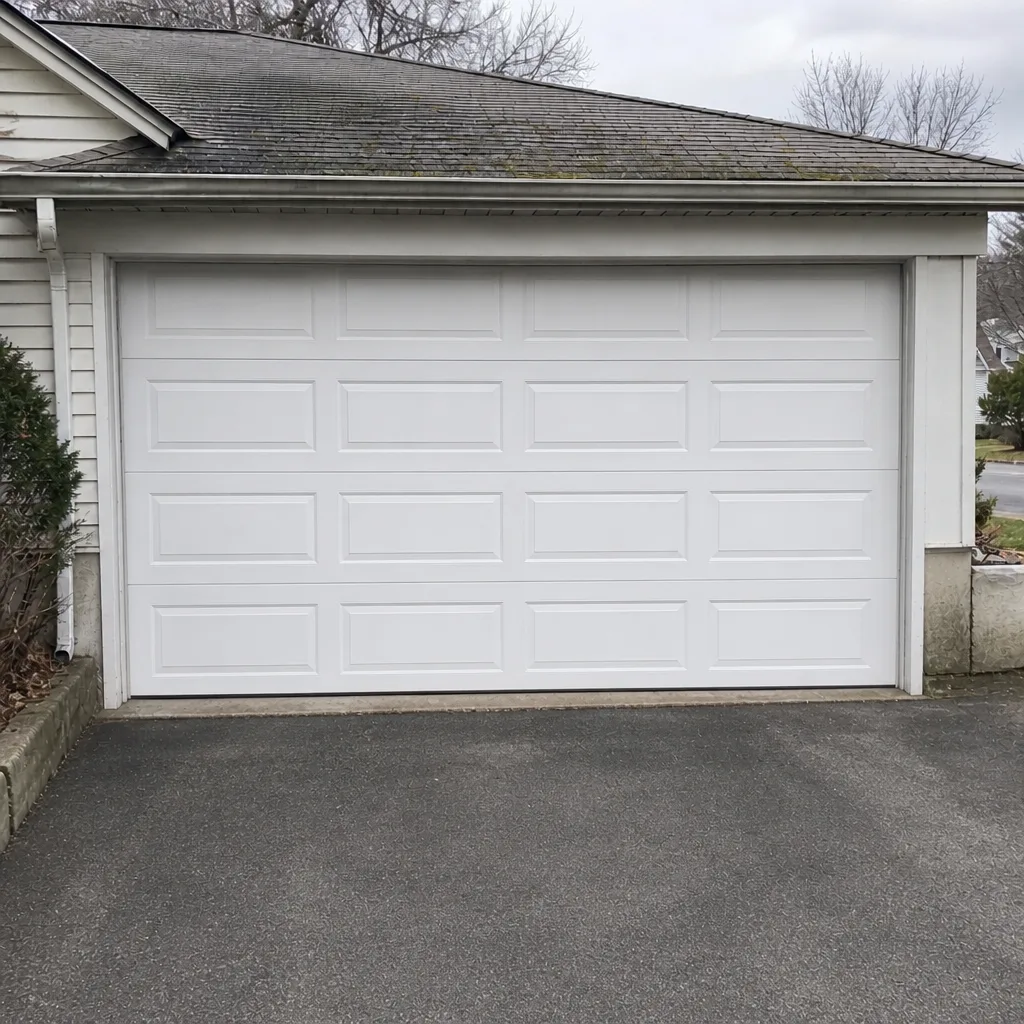 After
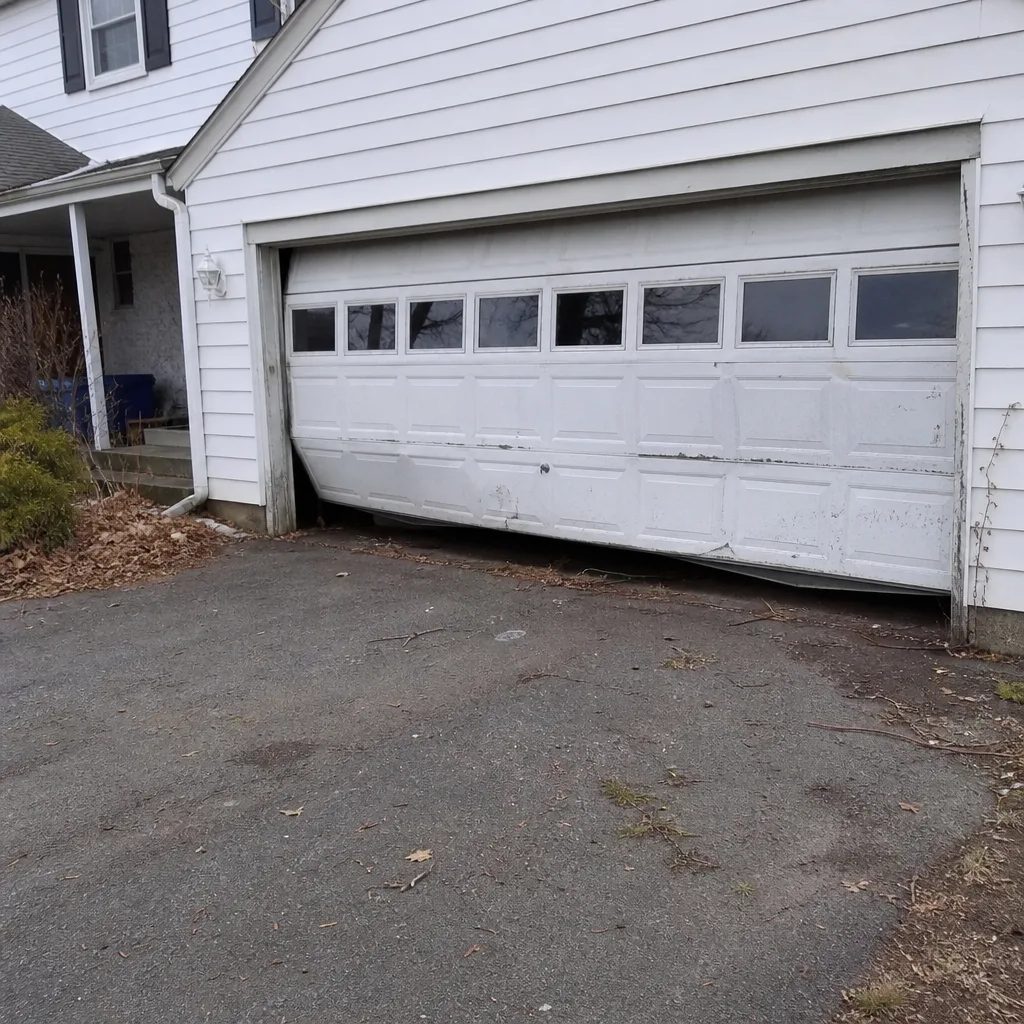 Before
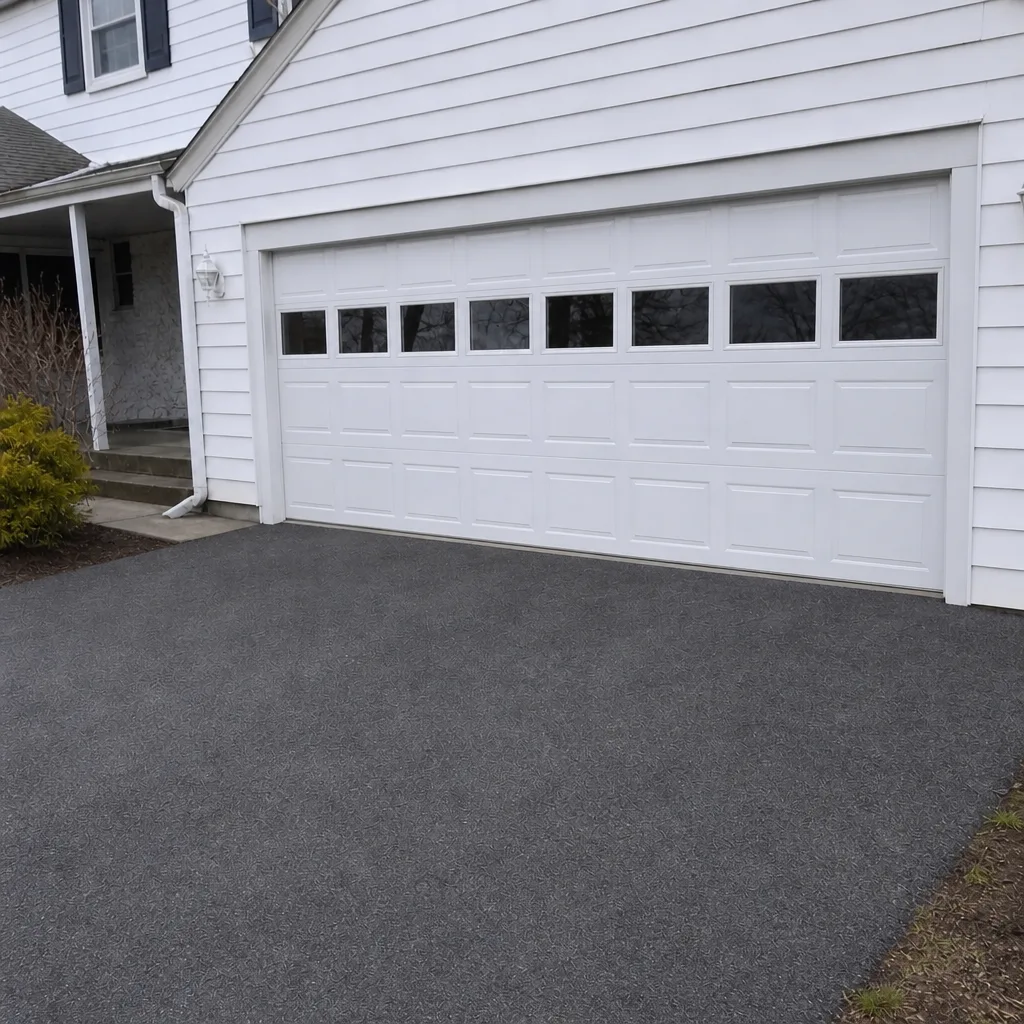 After
When to Call a Professional
Some issues are ordinary maintenance. Others need a call. Contact a professional when the door won’t open or close at all, when it’s visibly off its track, when you hear a loud bang from the garage, when the door feels heavy by hand, when cables look frayed, or when the opener strains or reverses on its own. Same for a door that’s been hit by a car or that’s come loose at a hinge. Springs and cables are not something to test yourself.
For routine wear, a rattle or a squeak, a slow opener, or a plan to replace an aging door, a scheduled visit works fine. For a door that’s stuck, broken, or unsecured, emergency garage door service is available so it doesn’t wait. Fairfield Garage Door Repair Co offers free estimates in Fairfield. Call (833) 726-0705. Every price is quoted and agreed before any work starts.
Frequently Asked Questions
Spring replacement in Fairfield typically runs about $180-$340 for one spring, and a matched pair is usually replaced together, so expect roughly double that. The figure depends on spring type and access, and the written quote after inspection is the price you pay. Call (833) 726-0705 for an exact quote – estimates are free.
Often, yes. If the door lifts easily by hand with the opener released but the motor won’t move it, the opener is the likely problem. If the door is very heavy by hand, the springs are suspect and the opener is fine. Call (833) 726-0705 and describe what you’re seeing – we can talk it through.
Humidity and repeated freeze-thaw cycles wear springs and cables faster here. Moisture corrodes metal and freezing widens gaps in the mechanism, so springs tend to give out after the cold months. A pre-winter check catches wear early. Call (833) 726-0705 to schedule one.
In most cases, yes. We service eight major brands: LiftMaster, Chamberlain, Genie, Clopay, Amarr, Wayne Dalton, Craftsman, and Raynor. Whether yours is a professional LiftMaster or a common Craftsman, the diagnosis fits the system you have. Call (833) 726-0705 with your model in hand.
No. We quote and agree the price before work starts, and the written estimate sets the final number. If we find something unexpected, we’ll tell you before touching it. Call (833) 726-0705 for a free estimate.
The local professional we connect you with is licensed and insured as their state requires. Our technicians have up to 9 years of experience with springs, cables, doors, and openers. Call (833) 726-0705 with any questions about the job.
The Bottom Line
Your garage door is a system, and every part depends on the next. Springs carry the weight, cables transfer it, tracks guide it, and the opener mostly watches. Understanding that balance is what lets you tell a door problem from an opener problem and avoid paying for the wrong fix. In Fairfield, humidity and freeze-thaw make springs and cables the parts to watch, while older Colonial and Cape Cod openings mean measuring before you buy. Steel and composite hold up best here. Read your specs, ask for the written price before work starts, and leave springs and cables to a professional.
If you’d rather have an expert look at the whole system, we work on your brand, from opener to panel, and we’ll give you a free estimate with the price agreed up front. Call Fairfield Garage Door Repair Co at (833) 726-0705 for a free estimate in Fairfield.
Written by the team at Fairfield Garage Door Repair Co.