Last updated November 23, 2026
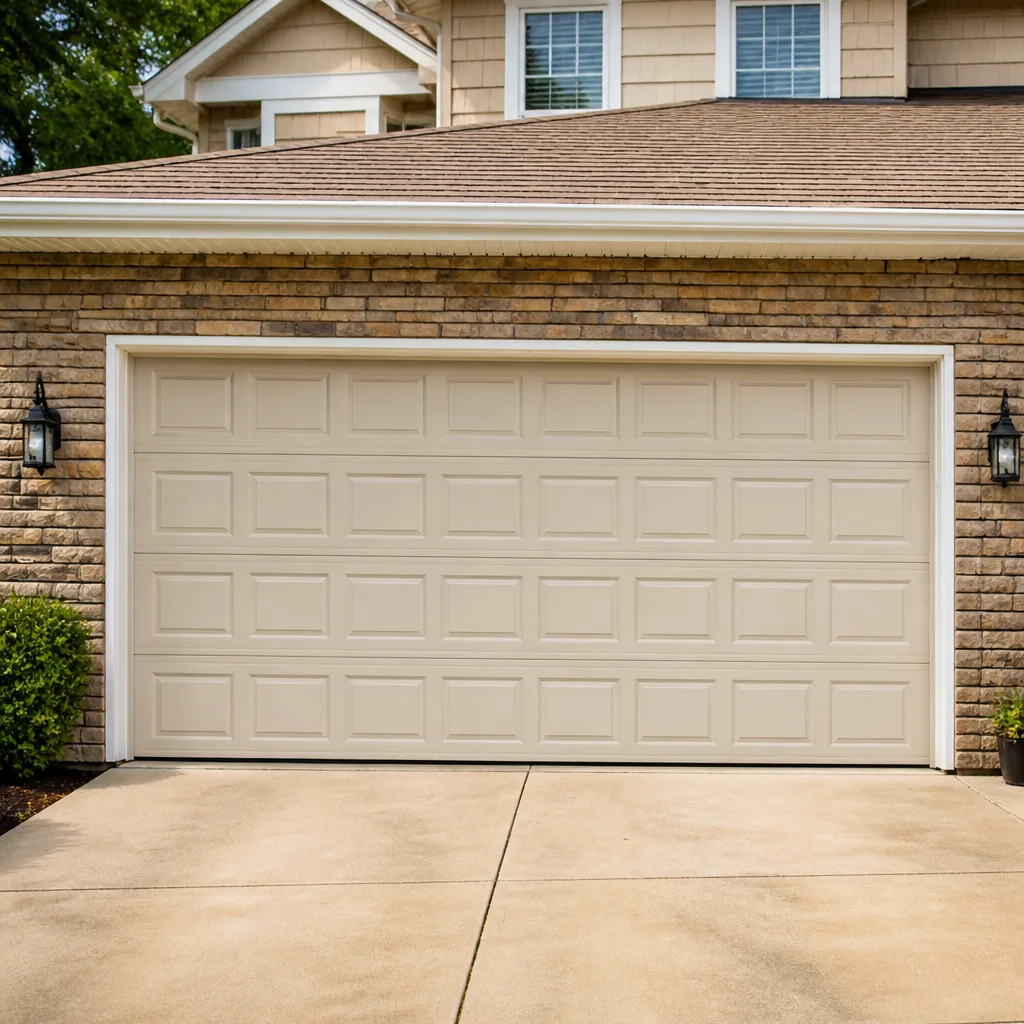 Raised-panel steel
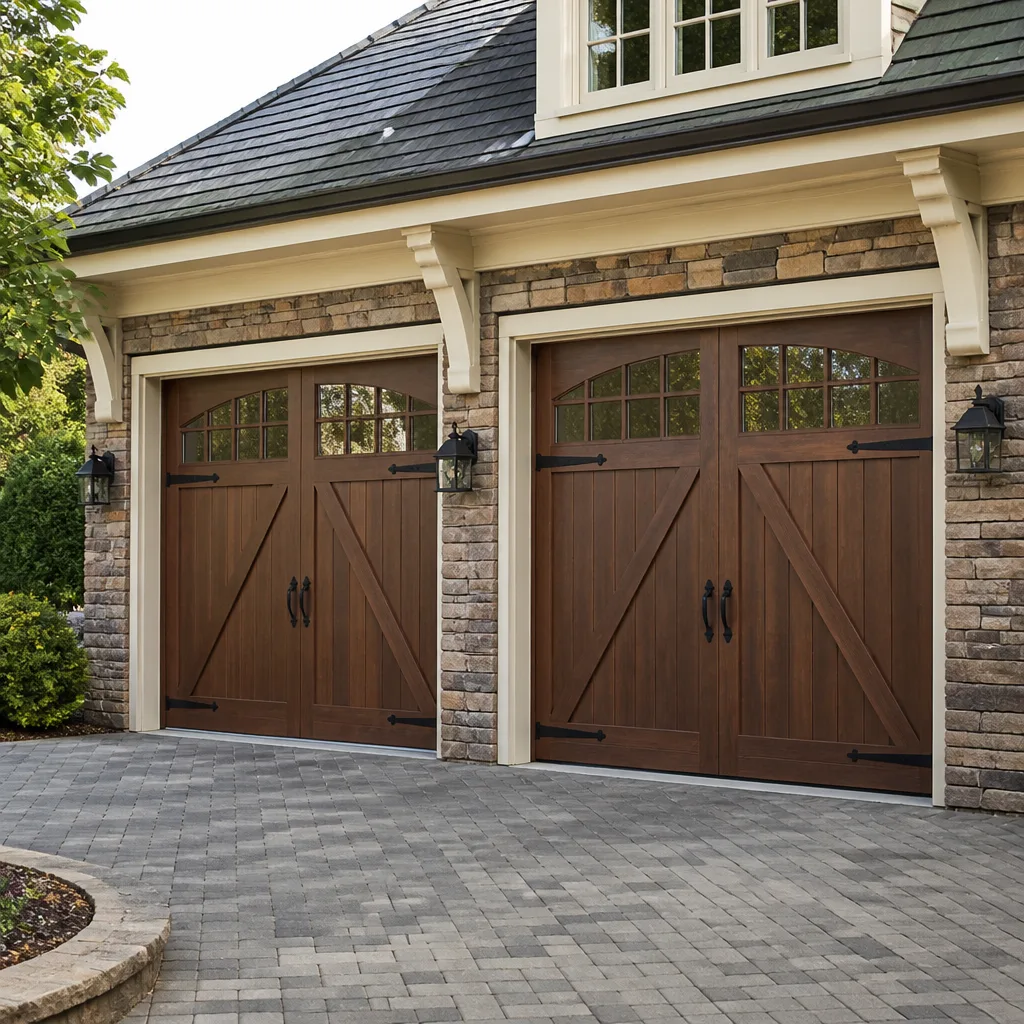 Carriage house
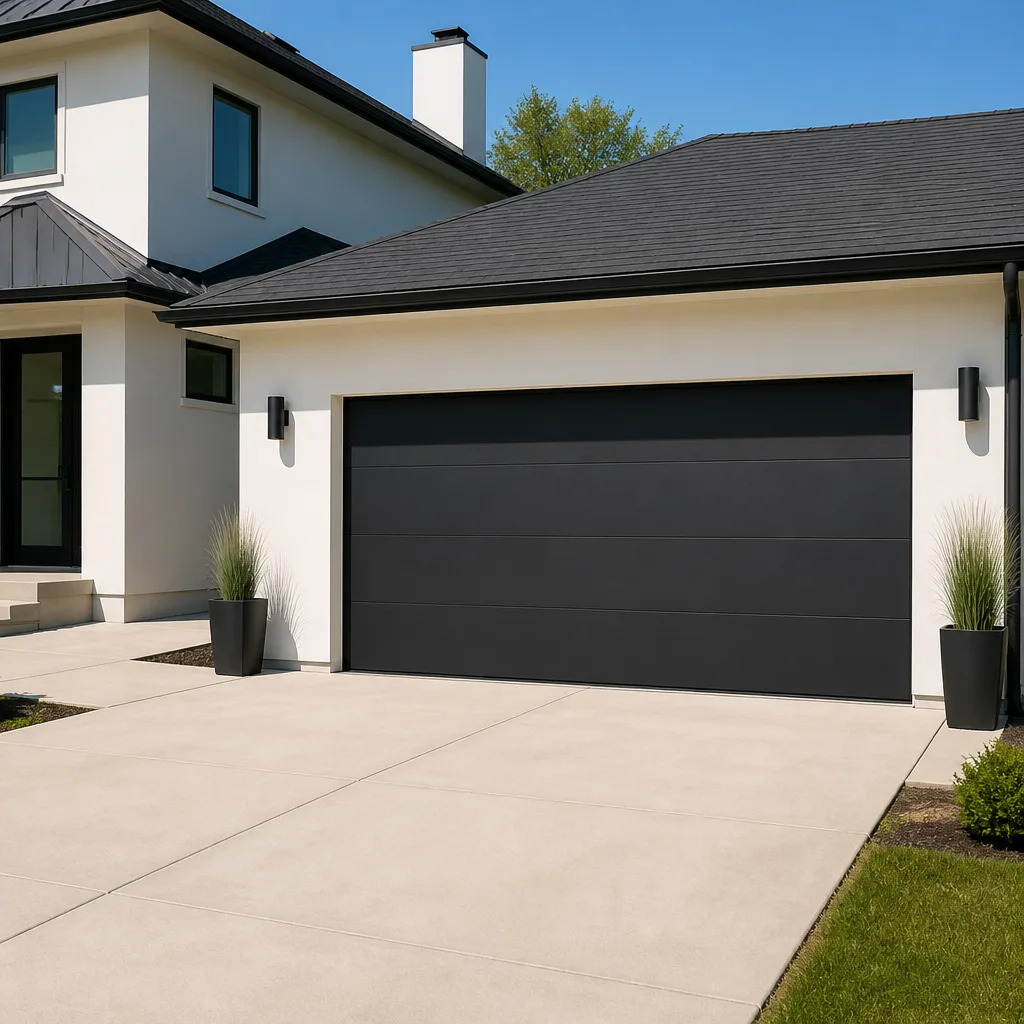 Modern flush
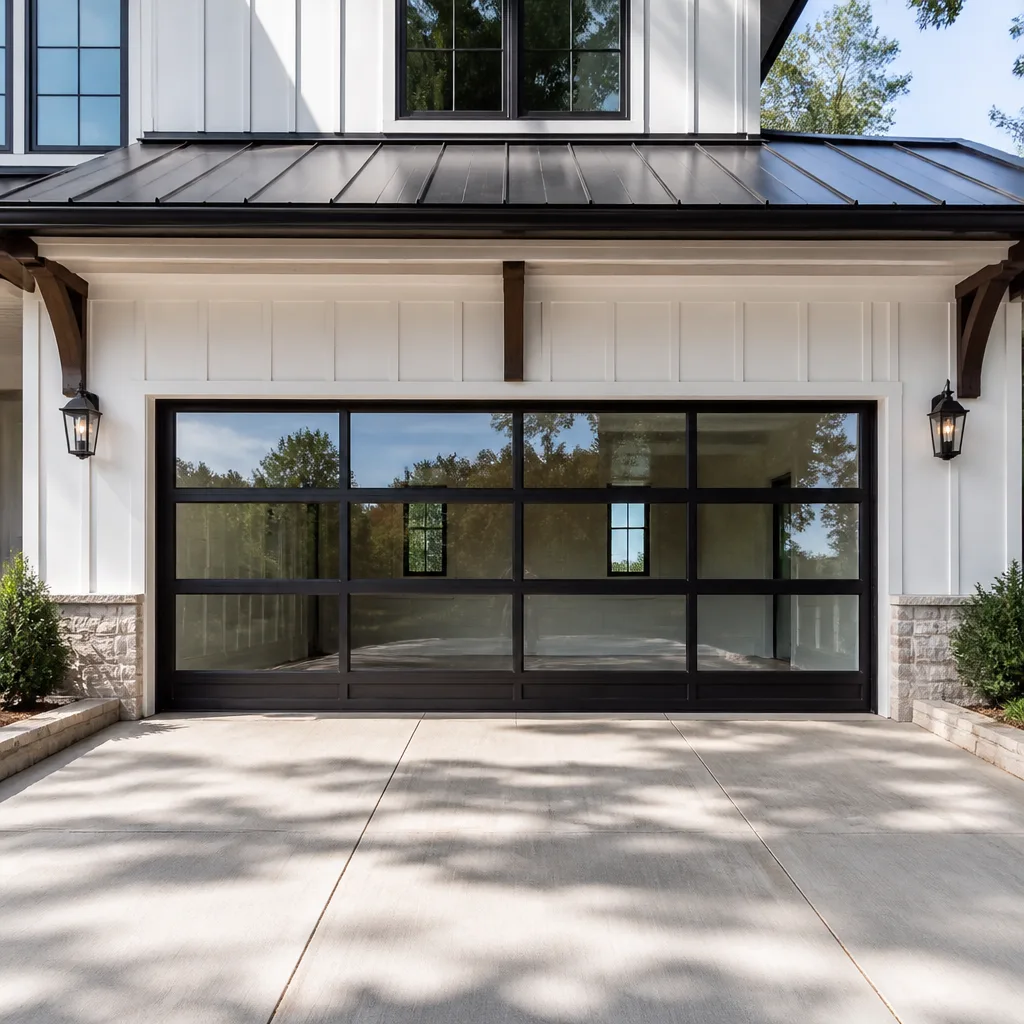 Full-view glass
 LiftMaster openers
 Chamberlain openers
Full 25-point door and opener safety check with every visit - springs, cables, rollers, tracks, and your LiftMaster or Chamberlain opener included
You get a price before we start. It does not change when the pro arrives.
Get your free estimateGarage Door Permits, Codes & Inspections in Fairfield, CT: What You Need to Know
Most homeowners think permits belong to new construction and room additions, not to a garage door. That assumption is where trouble starts in Fairfield. Replacing a door can cross into permit territory depending on what’s being changed and where the house sits, and Fairfield has overlay zones and historic district rules that make the answer more local than a statewide checklist suggests. If work was done without a permit, it can surface as an open item during a home sale, sometimes years after the fact. This guide walks through what triggers a permit here, what an inspection actually looks at, how to sort out unpermitted work, and which repairs never need one.
Quick Answer
In Fairfield, CT, replacing a complete garage door or changing its size, structure, or opening generally requires a building permit, while routine repairs like spring replacement, opener swaps, and hardware fixes typically do not. Because Fairfield has historic district and coastal management overlay considerations, door appearance and materials can add review steps beyond the standard building permit. Always confirm the current requirement with the Fairfield Building Department before work begins, since local rules and interpretations can shift.
Styles & brands we work with
- Raised-panel steel
- Carriage house
- Modern flush
- Full-view glass
- LiftMaster openers
- Chamberlain openers
Table of Contents
- What Triggers a Garage Door Permit in Fairfield?
- Repair vs. Replacement: Where the Permit Line Falls
- Historic Districts and Overlay Zones in Fairfield
- What a Garage Door Inspection Actually Checks
- How to Permit Work That Was Done Without One
- What Definitively Does Not Need a Permit
- Choosing a Contractor Who Understands Fairfield Codes
What Triggers a Garage Door Permit in Fairfield?
A garage door permit in Fairfield is generally triggered by work that changes the door’s structure, size, or the opening itself, not by routine repair. The Connecticut State Building Code treats a garage door replacement as construction work when it involves removing and installing a full door assembly, altering the framing, or changing the dimensions of the opening. That’s the practical dividing line most homeowners miss: swapping a broken spring is a fix, while hanging a new door on a rebuilt opening is construction.
The following situations usually bring a permit into play:
- Full door replacement where the entire door and track system comes out and a new one goes in.
- Changing the size of the opening, including making a single door into a double or widening the frame.
- Structural or framing changes to the header, jambs, or surrounding wall.
- Replacing a manual door with an automatic one where the electrical circuit is added or altered (the electrical piece often has its own permit requirement).
- Any work that changes how the door meets the wall, including new anchorage into masonry or framing.
Fairfield’s housing stock ranges from older colonials near the town center to newer construction toward the beach areas, and the age of the framing matters. On older homes, a door replacement often uncovers rot or settling in the header, which turns a simple swap into structural work and pushes the job firmly into permit territory. Our technicians have up to 9 years of experience and have seen how quickly a straightforward replacement becomes a permit job once the old door comes off. When in doubt, a five-minute call to the Fairfield Building Department settles it before any work starts.
Repair vs. Replacement: Where the Permit Line Falls
If you’re replacing a spring, a roller, a hinge, or an opener, you almost certainly don’t need a permit. If you’re replacing the entire door or altering the opening, assume you do and confirm with the town. That single sentence captures the practical rule most Fairfield homeowners need. The distinction rests on whether the work is maintenance of an existing assembly or a change to the structure and its components.
Here’s how the common jobs sort out:
Typically no permit required
- Spring replacement. Springs are wear parts on the existing door. Swapping them doesn’t change the structure or opening. Note that springs are safety-critical: a torsion spring under tension can cause serious injury if handled without the right tools and training, so this is not a DIY job, and it’s one reason we treat garage door spring repair as a dedicated service.
- Opener replacement or repair. Swapping a LiftMaster, Chamberlain, Genie, or Craftsman opener on an existing door and existing circuit is typically maintenance. If a new dedicated circuit or outlet has to be run, that electrical work may need its own permit.
- Hardware, rollers, cables, hinges, and weather seals. These are repairs to the existing assembly.
- Track adjustment or re-alignment that doesn’t change the opening.
Typically permit required
- New door installation where the full door and track come out.
- Any change to the opening dimensions or framing.
- Converting a manual door to automatic when the electrical work is added.
If your door is broken and you’re weighing repair against replacement, the permit question is one more reason to fix what can be fixed. Our garage door repair work is focused on keeping the door you already have working correctly, which usually avoids permitting entirely. We’ll tell you honestly when a repair makes sense and when replacement, and a permit, is the right call.
Historic Districts and Overlay Zones in Fairfield
Fairfield’s local zoning adds a layer that the state code alone doesn’t cover. If your home sits in a historic district or a coastal management overlay area, the appearance and materials of a new garage door can be subject to review beyond the standard building permit. That means the door you want may need to match the style, material, and visual character of the neighborhood before it goes up.
What this looks like in practice:
- Historic district review can address door style (raised-panel vs. carriage-house, for example), material, color, and window configuration. A door that looks right on a newer home may not pass review on a historic one.
- Coastal management overlay areas can bring additional review around how a structure and its elements fit the surrounding environment.
- Approvals often happen before ordering the door, so a delay in review can delay installation. Better to know early than to have a door on order that doesn’t fit the rules.
Because these overlays vary by parcel, the honest answer is that you need to check your specific property with the town. We don’t pretend to know every district boundary line, and neither should any contractor who tells you a permit “isn’t needed” without asking where you live. What we can do is help you understand which door brands and styles tend to fit older Fairfield homes and historic contexts, from Clopay’s panel options to Amarr’s carriage-style lines, so the choice you submit for review is one that’s likely to be approved. For a full-system look at your door and opener, see Fairfield Garage Door Repair Co.
What a Garage Door Inspection Actually Checks
A garage door inspection tied to a permit focuses on whether the installed door is safe, anchored correctly, and rated for the conditions it faces. In Fairfield, that means the inspector is checking structure and safety, not the color of your panels. Knowing what’s reviewed helps you (and your installer) prepare so the inspection passes the first time.
Here’s what an inspection typically covers, in order:
- Wind load rating. The door’s rated wind resistance has to match what’s required for the location and opening. A door rated below the requirement can fail inspection even if it looks fine.
- Anchorage and fastening. How the track and brackets are secured to the framing or masonry is examined. Loose or undersized fasteners are a common failure point, especially on older Fairfield framing.
- Opener safety features. The photo-eye safety sensors and the auto-reverse function are tested. A door that closes on an obstruction or whose sensors are misaligned fails.
- Balance and travel. The door should open and close smoothly and stay balanced. A door that binds or drifts is flagged.
- Clearance and labeling. Required labels, proper clearances, and correct assembly per the manufacturer’s instructions are confirmed.
If your opener is the reason the inspection is stalling, our garage door opener repair covers both professional-line systems like LiftMaster and Chamberlain and consumer models like Genie and Craftsman, and we test the safety features as part of the work. Getting the sensors and auto-reverse dialed in before the inspection saves a return trip.
How to Permit Work That Was Done Without One
If a previous owner (or you) had a garage door replaced without a permit, you can usually still permit the work after the fact, and it’s often worth doing before you list the home. Unpermitted work can show up during a buyer’s inspection or title search and stall a sale. Getting it documented ahead of time removes an easy reason for a buyer to ask for a credit or walk.
The general path looks like this:
- Call the Fairfield Building Department and explain what was done and when. Ask what they need to legalize it.
- Gather documentation: the door’s spec sheet and wind load rating, installation instructions, and any receipts or photos you have.
- Expect an inspection of the installed work against current requirements. If it doesn’t meet them, corrections may be needed.
- Make any corrections the inspector requires, such as re-anchoring or adjusting the opener’s safety features.
- Get the permit closed out so there’s a clean record for the next sale.
Whether it’s worth it depends on your plans. If you’re selling in the next year or two in Fairfield, addressing it early is usually the calmer route. If the door was installed correctly to current standards, the process is mostly paperwork and an inspection. If it wasn’t, you’ll want to know now rather than during a buyer’s due diligence.
What Definitively Does Not Need a Permit
The safest way to answer “do I need a permit?” is to start with the work that doesn’t: spring replacement, opener swaps, hardware repair, and cable or roller replacement on an existing door are maintenance, not construction. These are the jobs that keep a Fairfield door running and rarely touch the building department at all.
- Spring replacement on an existing door. This is a wear-part swap, not a structural change, and it’s why we handle it as a focused service.
- Opener repair or like-for-like replacement on an existing door and circuit.
- Cable, roller, hinge, and bracket replacement as part of repairing the existing assembly.
- Weather seal and bottom seal replacement.
- Track adjustment, lubrication, and balance correction.
One caveat: if a repair uncovers a problem that requires changing the opening or framing, or if the electrical work for a new opener is more than a like-for-like swap, the permit question comes back. That’s why we look before we quote. When a job turns out to be a replacement rather than a repair, we tell you, and we tell you it will likely need a permit. If a spring is the issue, our garage door spring repair handles it as the safety-critical piece of equipment it is.
Choosing a Contractor Who Understands Fairfield Codes
The right contractor for a Fairfield garage door job knows when a permit is needed, tells you before work starts, and can point you toward the documentation an inspection requires. A contractor who waves off the permit question entirely, or promises a door will “pass no problem” without checking wind load ratings or your property’s overlay status, is a risk you don’t need to take.
What to look for:
- They ask where you live first. Historic district and coastal overlay status change the answer, so a good contractor asks before quoting.
- They know the wind load requirement for your opening and can supply the door’s rating documentation.
- They put the price in writing before work starts, so there are no surprises after the door is off.
- They work on your existing brand rather than pushing a replacement you don’t need. We service eight brands, including LiftMaster, Chamberlain, Genie, Clopay, Amarr, Wayne Dalton, Craftsman, and Raynor, so we’re working with what you already own.
- They handle the whole system, from opener to panels to springs, so nothing gets subcontracted out mid-job.
Our technicians have up to 9 years of experience and understand how Fairfield’s older homes and overlay zones affect a door job. We give free estimates and put the price in writing, and the written estimate is what you pay. To talk through your specific door, see the team at Fairfield Garage Door Repair Co.
Common Mistakes to Avoid
- Assuming a full door replacement doesn’t need a permit. Many homeowners think only structural additions need one. A full replacement or a change to the opening typically does, so confirm with the town before ordering.
- Ordering the door before checking overlay rules. In Fairfield’s historic and coastal overlay areas, a door that doesn’t fit the required style or material can be rejected after it’s already on order. Check your property’s status first.
- Ignoring the wind load rating. Buying a door rated below what your opening requires is one of the most common inspection failures. Get the rating paperwork up front.
- Letting an unpermitted replacement sit through a sale. Unpermitted work can surface during a buyer’s inspection and cost you leverage. Permitting it early is usually easier than fixing it under pressure.
- Treating a broken spring as a DIY job. Springs are safety-critical and under extreme tension. This is not a project for a weekend and a YouTube video; it’s the single most dangerous part of the assembly.
- Letting a contractor skip the opener safety check. Inspectors test the photo-eye sensors and auto-reverse. A door that fails those fails inspection, even if the panels are perfect.
- Hiring someone who quotes over the phone without seeing the opening. On older Fairfield homes, what’s behind the trim often changes the job. A real estimate accounts for that.
See the difference
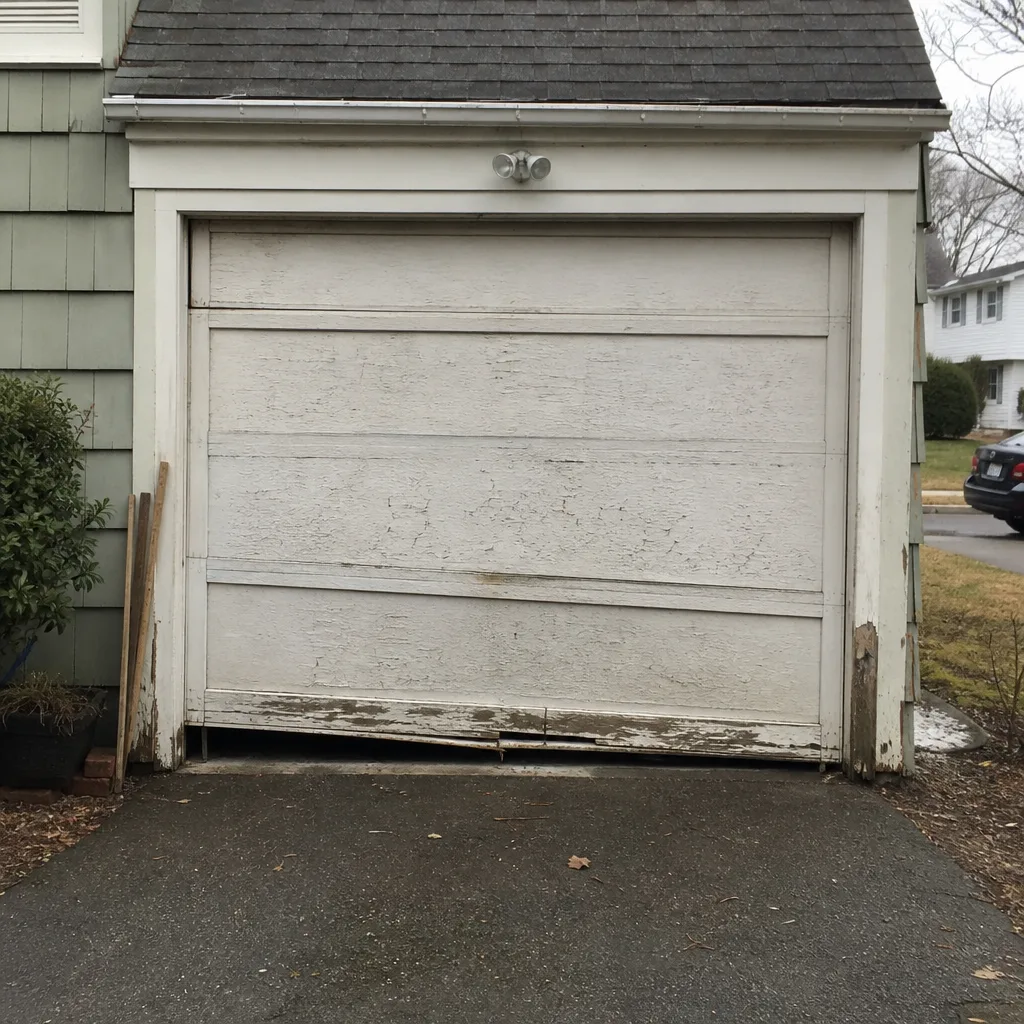 Before
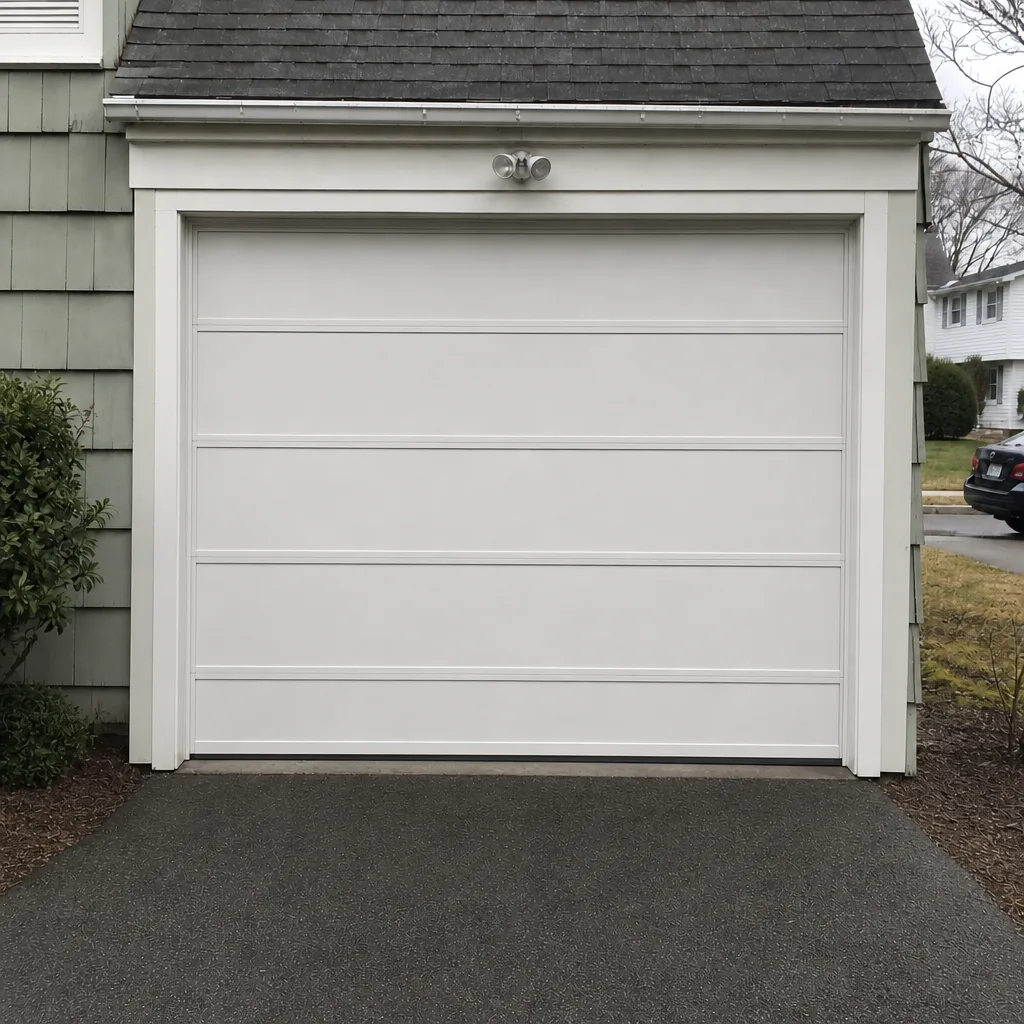 After
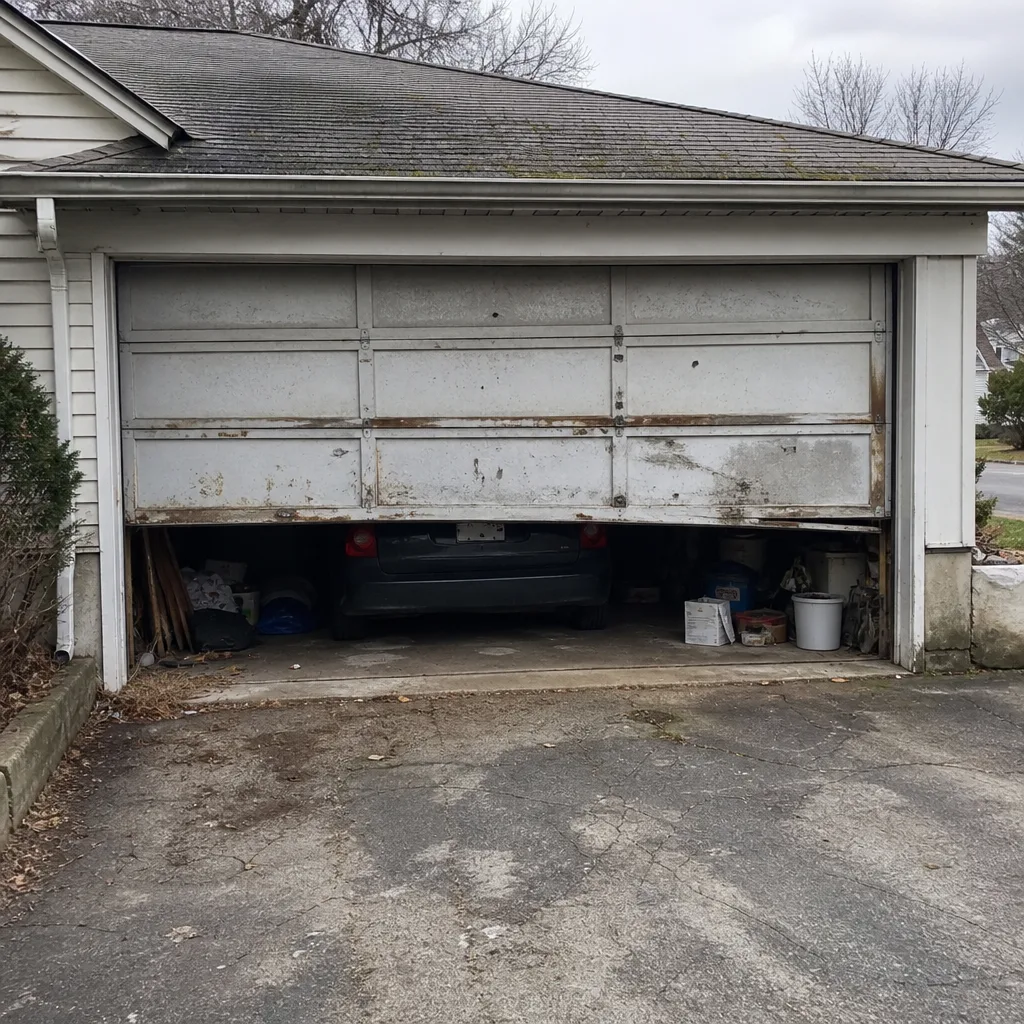 Before
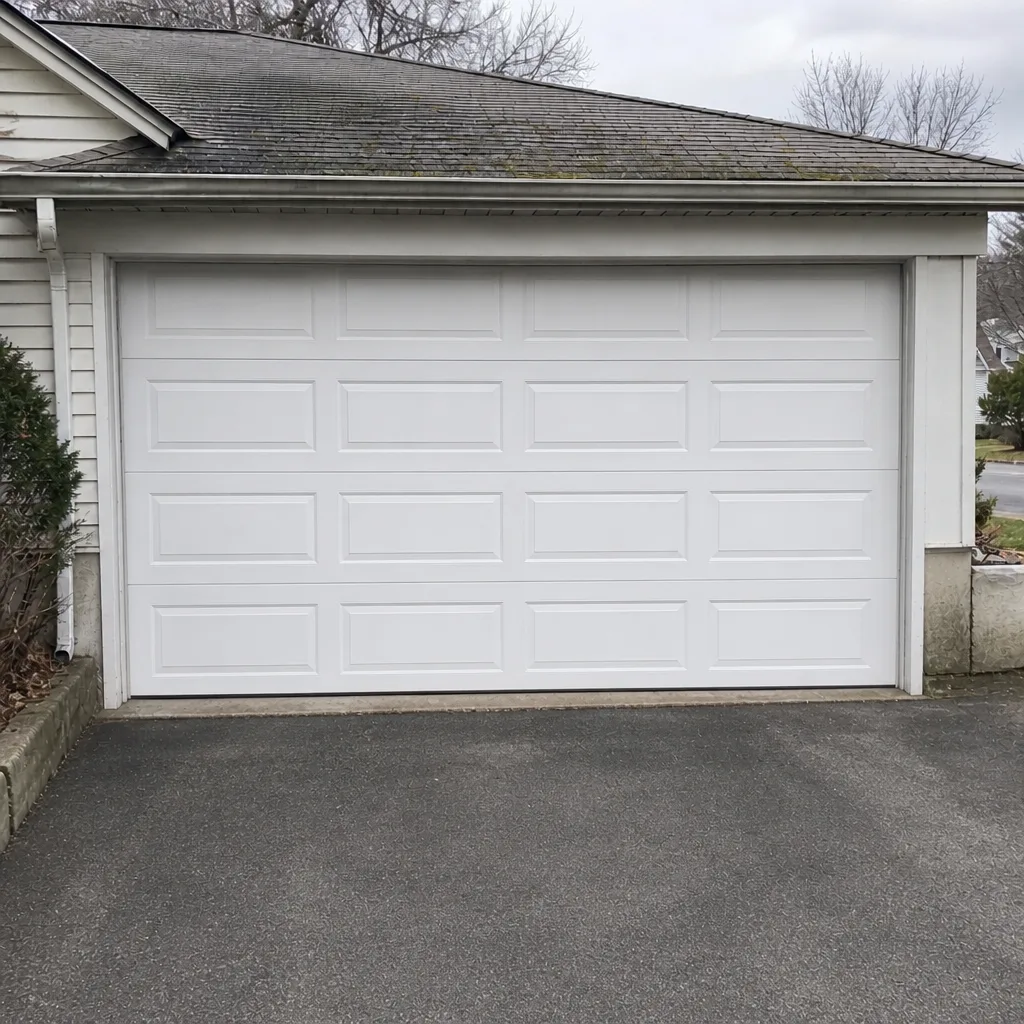 After
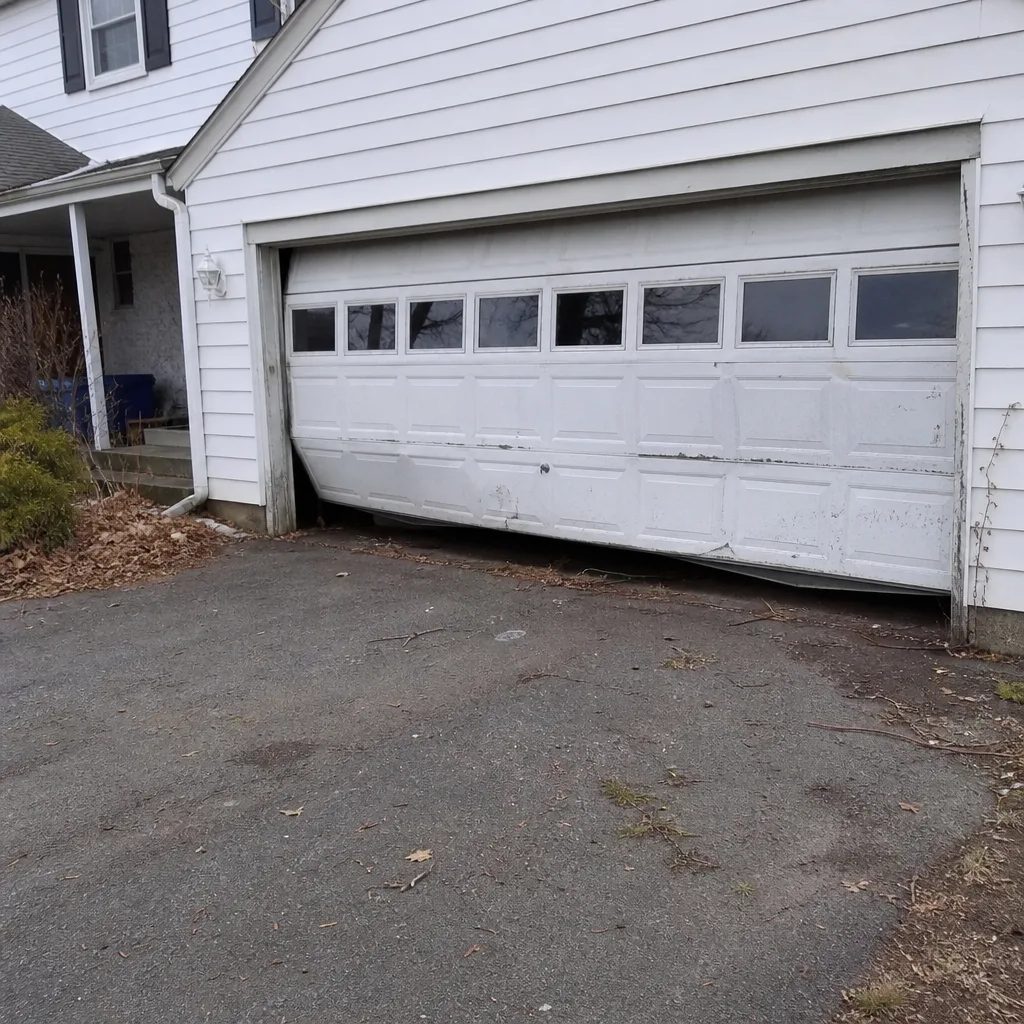 Before
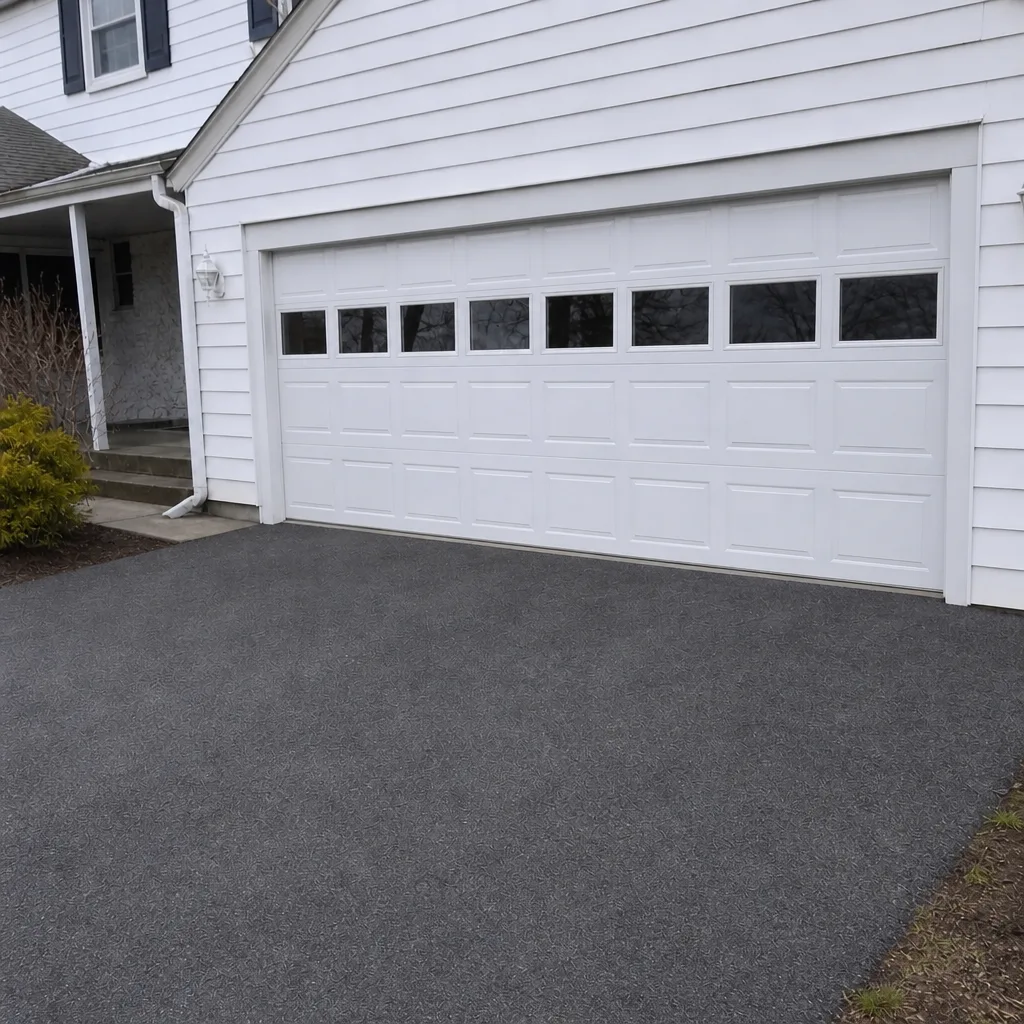 After
When to Call a Professional
Some garage door work is safe to think about and some of it needs a trained technician. Call a professional if a spring is broken, the door won’t stay balanced, the opener’s safety sensors won’t stay aligned, or a repair has turned into something that touches the framing or opening, which usually means a permit and an inspection. If you’re not sure whether your job needs a permit, that’s a fair reason to call too: a brief conversation beats a surprise later. Fairfield Garage Door Repair Co offers free estimates in Fairfield, and we put the price in writing before any work starts. Call (833) 726-0705. Our technicians have up to 9 years of experience and cover repair, opener repair, spring repair, and new door installation under one company.
Frequently Asked Questions
In most cases, yes. A full garage door replacement, or any change to the size, structure, or opening, typically requires a building permit in Fairfield. Routine repairs like spring or opener replacement generally do not. Confirm with the Fairfield Building Department before work begins, and call (833) 726-0705 for a free estimate on the door work itself.
No. Spring replacement is maintenance on an existing door, not construction, so it doesn’t require a permit in Fairfield. It does require a trained technician, because springs are under extreme tension and can cause serious injury. Call (833) 726-0705 for spring repair.
An inspection checks the door’s wind load rating, how the track and brackets are anchored, the opener’s safety sensors and auto-reverse function, and the door’s balance and travel. It’s about structure and safety, not appearance. Getting these right before the inspection saves a return visit, and we can help with the opener side by calling (833) 726-0705.
Usually, yes. Call the Fairfield Building Department, gather the door’s spec sheet and wind load rating, and expect an inspection of the installed work. Corrections may be needed, and then the permit is closed out. It’s often worth doing before you list your home. For help with any corrections, call (833) 726-0705.
They can. If your home is in a historic district, the style, material, and color of a new door may need review before it goes up. Check your property’s status with the town first, then choose a door brand and style likely to be approved. To talk through options, call (833) 726-0705.
No, the price we quote is the price you pay. We inspect the opening, give you a written estimate, and the final price is set by that written estimate before any work begins. Estimates are free, so call (833) 726-0705 for an exact quote.
The Bottom Line
In Fairfield, the permit question comes down to what kind of work is being done. Full replacement and changes to the opening usually need a permit; spring, opener, and hardware repairs usually don’t. Fairfield’s historic and coastal overlay zones can add appearance review on top of the standard permit, so check your property’s status before ordering a door. Wind load rating, anchorage, and opener safety features are what an inspection checks, and getting them right is what makes the process painless. If work was done without a permit, it’s usually worth sorting out before a sale. And if you’re unsure, call the town and call us.
Have a garage door question or need a free estimate in Fairfield? Call (833) 726-0705 and we’ll help you understand what your door needs, from spring repair to opener work to a full new installation, and whether it needs a permit.
Written by the team at Fairfield Garage Door Repair Co.