Last updated November 23, 2026
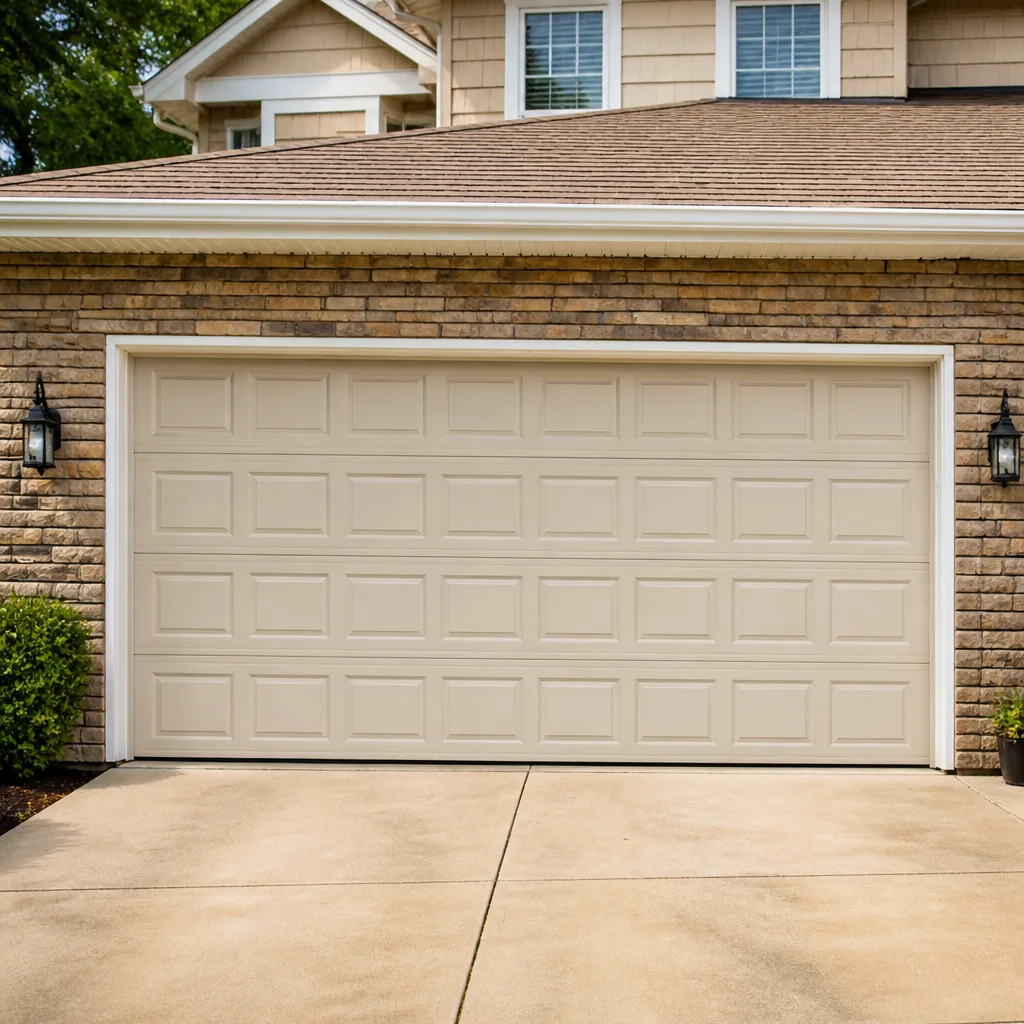 Raised-panel steel
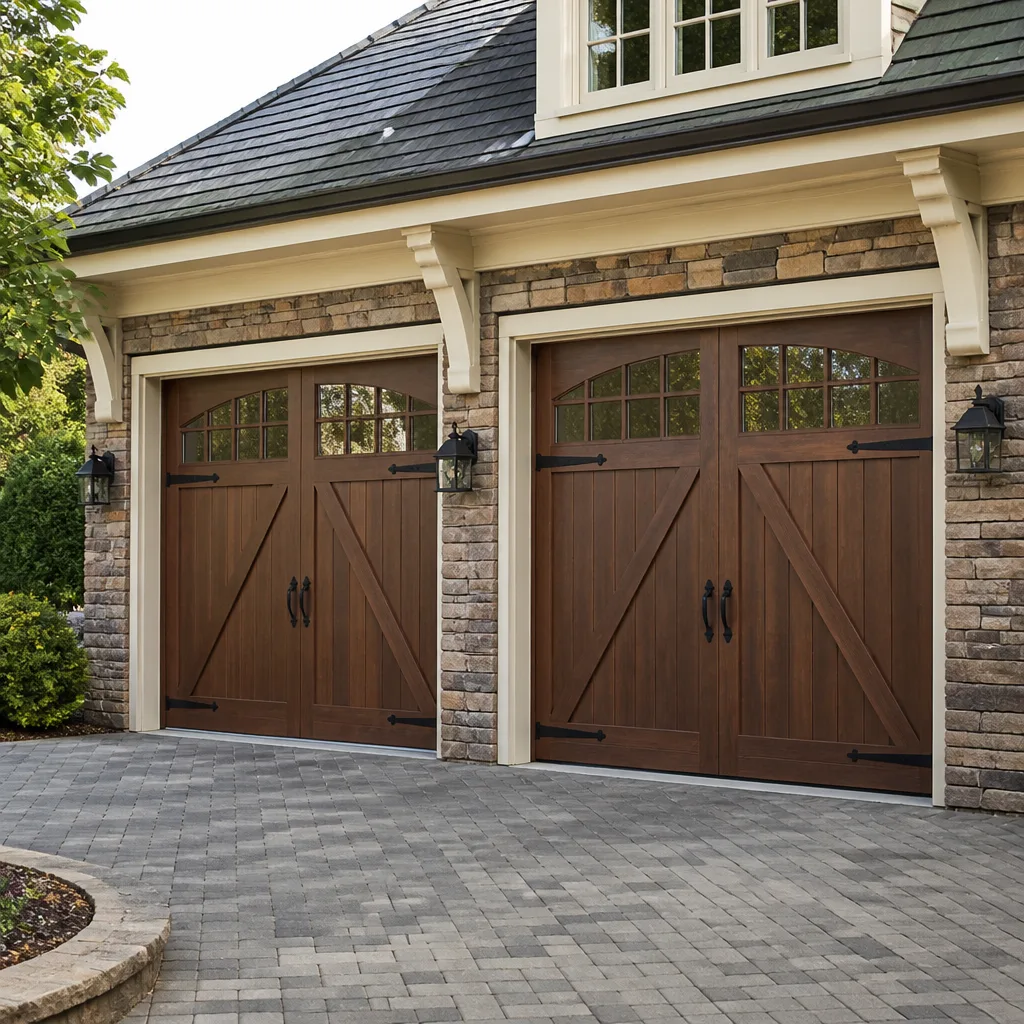 Carriage house
 Modern flush
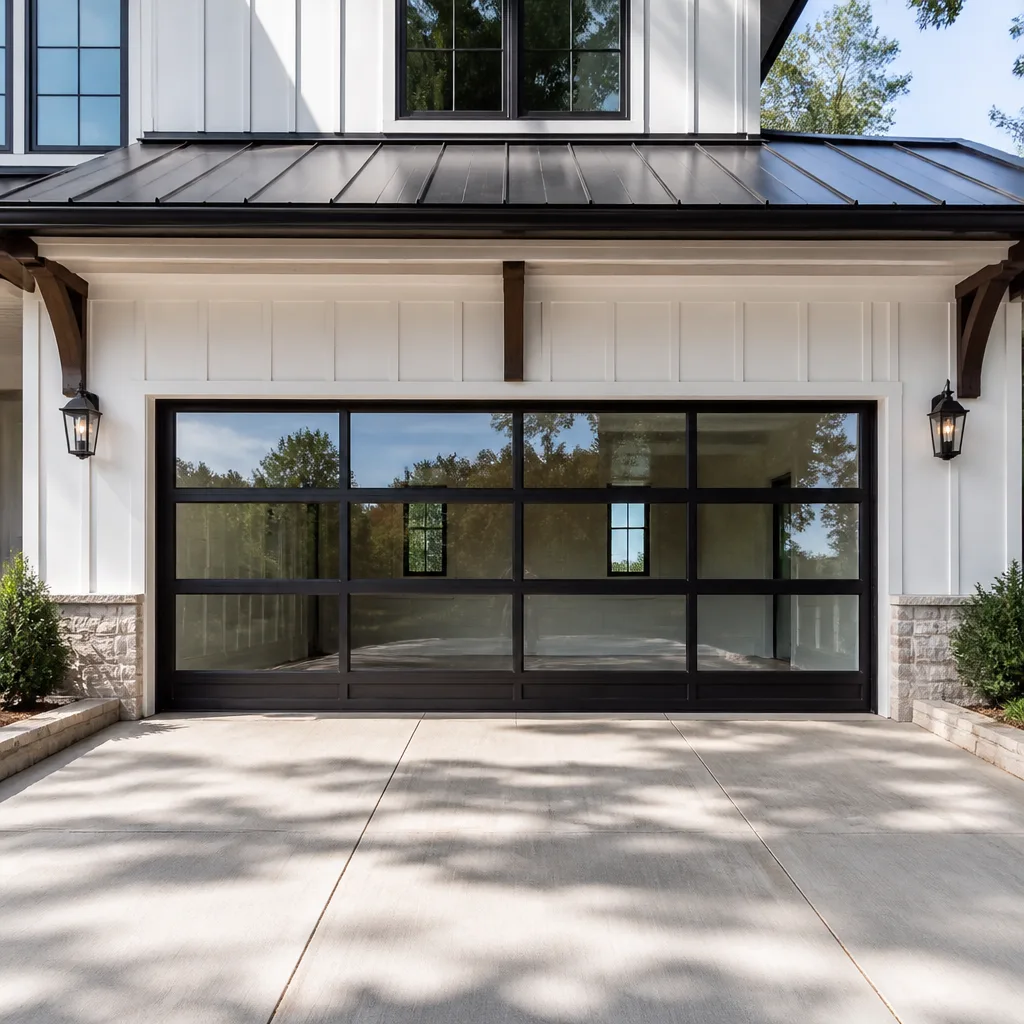 Full-view glass
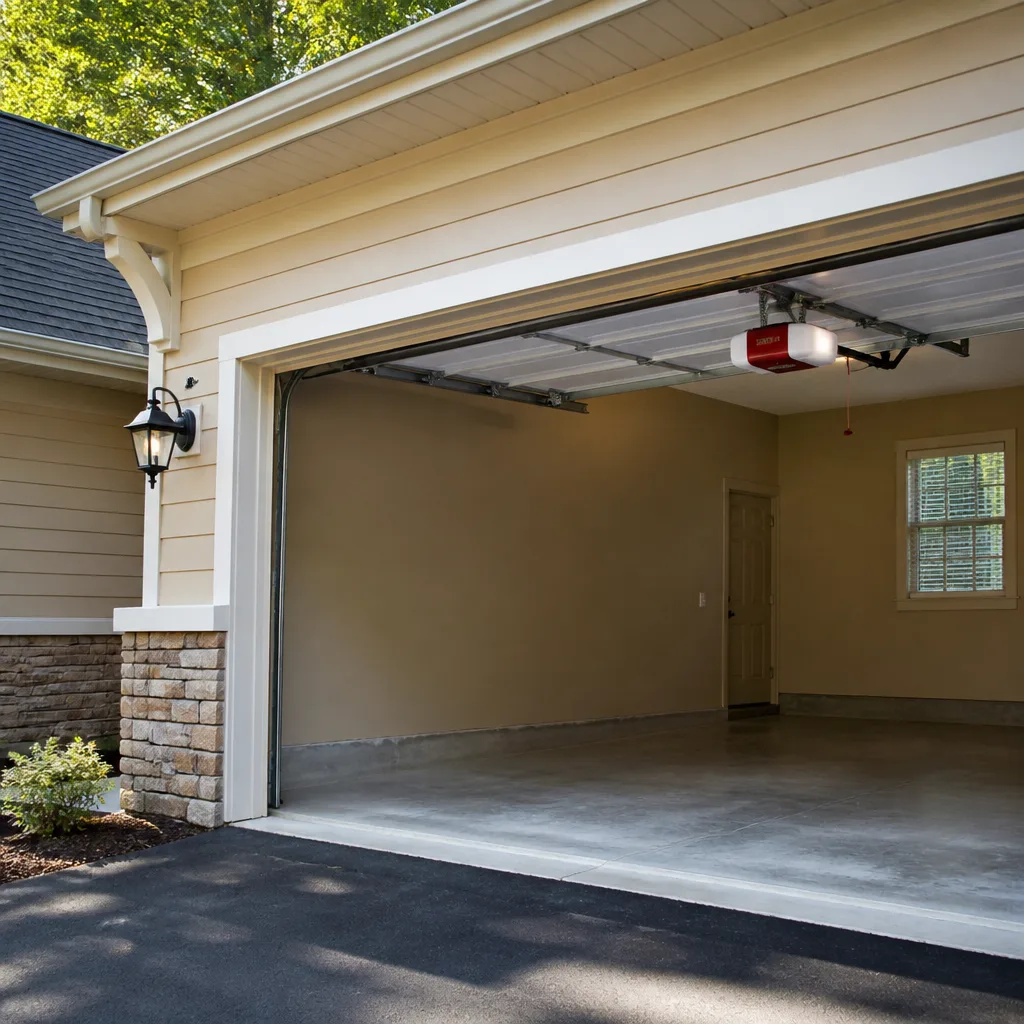 LiftMaster openers
 Chamberlain openers
Full 25-point door and opener safety check with every visit - springs, cables, rollers, tracks, and your LiftMaster or Chamberlain opener included
You get a price before we start. It does not change when the pro arrives.
Get your free estimateDIY vs Professional Garage Door: The Fairfield Homeowner’s Decision Guide
Here’s the part most homeowners get backwards: the garage door isn’t the dangerous part. The door itself is heavy, sure, but it’s a slab of steel or wood on tracks that do the lifting. The real hazard is bolted to the shaft above it, wound tight and holding the entire weight of the door. A torsion spring under tension can store enormous rotational force, and releasing it the wrong way isn’t a “oops, I dropped it” moment. It’s a hospital moment. That single fact reshapes the whole DIY-or-call-someone question in Fairfield, because it draws a hard line between tasks you can handle on a Sunday afternoon and tasks that genuinely aren’t worth the risk no matter how handy you are. This guide walks that line task by task, with the honest cost math on both sides.
Quick Answer
You can safely handle weatherstripping, lubricating moving parts, aligning photo-eye sensors, and balancing a door yourself. You should not touch torsion springs or high-tension cables under any circumstances – that’s the one area where DIY risk is real regardless of skill. Everything in between (opener logic boards, bent panels, track repair) comes down to your tools and confidence. For spring and cable work in Fairfield, hire a technician.
Styles & brands we work with
- Raised-panel steel
- Carriage house
- Modern flush
- Full-view glass
- LiftMaster openers
- Chamberlain openers
Table of Contents
- Where the Safety Line Actually Falls
- The Tasks You Can Genuinely Do Yourself
- Why Torsion Springs Are the Exception
- The Honest Cost Comparison: When DIY Saves and When It Costs
- Tools and Products That Suit Fairfield Conditions
- The Connecticut Liability Question
- Opener Troubleshooting: What You Can Check Before Calling
- When a Diagnosis Turns Into a Repair
Where the Safety Line Actually Falls
The DIY question for garage doors isn’t about whether you’re capable. It’s about whether a mistake on a given task can hurt you or wreck the door. Those are two different tests, and some tasks pass one and fail the other.
As a quick frame: a task is safe to attempt when (a) it involves no stored mechanical energy you have to release under load, and (b) if you get it wrong, the consequence is a door that still functions but slightly worse – a draft, a noisy roller, a sensor that keeps tripping. A task is not safe when a slip can throw you off a ladder, snap a cable across your face, or unload a spring into your hands.
Here’s how the tasks in a typical Fairfield home sort out:
- Safe to do yourself: replacing bottom weather seal, aligning and cleaning photo-eye sensors, lubricating hinges and rollers, tightening loose track bolts, wiping down the door exterior, balancing a door by adjusting the spring tension screw on an opener’s chain (not the spring itself)
- Depends on your tools and confidence: re-hanging a roller that’s popped out of its bracket, replacing a single bent hinge, resetting an opener’s travel limits after a power outage, replacing an opener’s battery backup
- Requires a technician: torsion spring replacement, extension spring replacement, cable replacement, spring adjust, panel replacement, opener motor or logic board replacement, track that’s come out of square, any situation where the door has crashed down or come off its tracks
Boundaries in Fairfield homes tend to fall on the older side – many doors from the 1980s and 1990s still use single torsion springs, while newer ones built with newer developments often use paired springs that are matched in age. Paired springs are meant to be replaced together, so if you’re looking at two visibly worn springs, plan for both.
The Tasks You Can Genuinely Do Yourself
These are the jobs we’d actually encourage you to try before you call us. They’re cheap, low-risk, and satisfying. Each one takes under an hour for most people.
1. Replace the bottom weather seal
- Close the door and check the seal at the bottom. If it’s cracked, brittle, or leaving a draft, it needs replacing.
- Unbolt the seal retainer from the bottom edge of the door, or if your door has a slide-in seal, pull it out of the channel.
- Measure the full width of the door. Buy a replacement seal cut to that length – 9-foot and 16-foot doors are the most common sizes in Fairfield, but measure rather than assume.
- Slide in or bolt on the new seal, trim to fit, and check the door still closes flush.
New England summers and winters both work on that seal. Expect to replace it every several years.
2. Clean and align photo-eye sensors
- The two sensors sit on either side of the door opening, near the floor. If one is dusty, spider-webbed, or knocked slightly out of line, the opener stops mid-cycle or refuses to close.
- Wipe both lenses with a soft cloth. One sensor has a small LED – if it’s blinking instead of solid, the beam isn’t getting through.
- Loosen the wing nut on the sensor housing and make small adjustments until both LEDs are solid. You can also tie a string across the threshold between the two sensors to get them facing each other.
- Tighten and test. If the LED still won’t go solid, one sensor may have failed and needs replacing.
3. Lubricate hinges, rollers, and tracks
Use a garage door lubricant (not WD-40, which attracts dust) on the roller stems, hinge pivots, and along the inside face of the tracks. The springs get a dedicated spring lube, not grease. Two applications a year, before summer and before winter, keeps the door quieter and slows roller wear. Do this in Fairfield at least twice annually – the freeze-thaw cycle that hits every winter here works the mechanism harder than in a stable climate.
4. Tighten loose track nuts
If the track wobbles when the door runs, but the door still tracks straight and closes flush, you can tighten the bolts holding the track bracket to the frame. Use a socket wrench, not a screwdriver, so you’re actually applying torque. If tightening doesn’t stop the wobble, the track has bent and needs a technician.
5. Balance the door
Disconnect the opener (pull the red manual release cord), lift the door to mid-height, and let it go. A balanced door stays put. One that slams to the ground or drifts upward needs its spring tension adjusted – and that’s a job for a technician, because the adjustment happens at the spring.
These five tasks are, in our experience, roughly 70 to 80 percent of the calls that could have been avoided with a screwdriver and 20 minutes. The other 20 percent involve springs, cables, openers, or panels. Those are different.
Why Torsion Springs Are the Exception
Torsion springs are the one task where DIY risk is real regardless of your skill level. That’s not a marketing line. It’s how the mechanism works.
The torsion spring above your door holds the door’s weight in tension. When the door is closed, the spring is at roughly the tension it needs to counterbalance the door’s full weight. To replace it, you have to wind the spring onto a steel shaft to a specific number of turns using a pair of winding bars. Both bars are held under load while you work. Let one slip, or pull the wrong bar out at the wrong instant, and the spring unloads through the bar and the shaft. Torsion springs have been documented to cause serious hand and arm injuries even among experienced technicians – the mechanism is large, wound tight, and unforgiving.
Extension springs have a related but different risk. They stretch alongside the door’s tracks and snap back with force when they break. Older extension springs (most Fairfield doors built before the late 1990s use them) are supposed to have a safety cable running through the middle of the spring as a containment measure, and many of them do not. If one snaps without that cable, the spring flies across the garage.
Both jobs are one-shot, no-second-attempt tasks. There’s no way to safely learn on your own door. If you’re reading this and wondering whether your springs are due, a garage door spring repair technician can measure the current tension and tell you whether you’re looking at a spring that’s past its cycle life or one that’s fine for years.
Signs your springs are failing:
- Door suddenly much heavier to lift by hand
- Loud bang from the garage (springs usually break with a snap, not a gradual crack)
- Opener runs but the door doesn’t move, or moves only a few inches
- Visible gap in a spring coil
- Door hangs crooked or pulls to one side
If you see any of these, don’t force the door. Call us.
The Honest Cost Comparison: When DIY Saves and When It Costs
Pricing in this trade is per job, by estimate. Any published range is a general one, and the number on your written estimate is the number you pay. With that said, the general shape of the cost math is:
- DIY genuinely wins: weather seal ($15-30 in materials), lubricant ($10-15), photo-eye cleaning (free), sensor replacement ($20-30 for a pair). These tasks cost under $35 in materials and take an afternoon. A service call wouldn’t make sense unless the door is unsafe.
- DIY breaks even or loses: roller replacement, hinge replacement, a single track bracket re-tighten. Materials are modest, but if the wrong part gets installed the door can wear aggressively and pull other hardware out of alignment.
- Professional wins outright: torsion spring, extension spring, cable replacement, opener motor, pattern and logic board replacement, panel replacement, and any situation where the door has come off the track. The botched-DIY penalty is real here – a door that’s crashed and bent a track costs more to repair than a straight spring replacement would have.
The botched-DIY scenario that costs the most
The scenario we see most is a homeowner who tries to replace their own torsion spring and either succeeds partially (creating a door that functions but is dangerously out of balance) or gets hurt. A door that’s badly out of balance isn’t just annoying – it wears out the opener’s gear and rail much faster, and it puts a lot of strain on the tracks. A spring job done wrong can turn into a spring job plus a track job plus an opener repair, which costs more than hiring out from the start.
On the flip side, if your only problem is a sensor that keeps tripping, a service call is genuinely not the right answer. That’s a $0 fix and 10 minutes with a screwdriver.
Tools and Products That Suit Fairfield Conditions
Fairfield garages live through real seasonal swings – hot, humid summers and cold winters with snow, ice, and road salt tracked in on the door and the floor. The right tools and products are chosen with that cycle in mind.
Recommended DIY garage door kit
- Socket wrench set – most door hardware uses 1/4-inch and 5/16-inch hex head bolts. A screwdriver won’t apply enough torque and can strip heads.
- Cordless drill with driver bits for weather seal screws and light tightening.
- Garage door lubricant – a dedicated silicone or lithium product, sprayed into hinge pivots and roller stems. Never WD-40.
- Spring lube – a separate product for the springs (yes, you can lubricate springs without touching them, as long as the door is under tension).
- Replacement weather seal cut to your door’s width. Many Fairfield doors are 9-foot or 16-foot; if you can’t find the right length, most hardware stores will cut it.
- Photo-eye cleaner – a soft cloth, no spray directly into the lens.
- A step stool – not a ladder. Ladder work above the door is a fall risk.
What you should NOT buy no matter how convenient the packaging looks:
- Any torsion spring “winding kit” sold for DIY. The tools exist; the safety doesn’t.
- Replacement springs from a big-box store without matching the cycle life and wire gauge spec of your existing door – mismatched springs are one of the top causes of premature failure.
- Generic opener remotes or logic boards – our experience with Craftsman, LiftMaster, Chamberlain, and Raynor systems is that the model-specific part is the one that works.
The Connecticut Liability Question
This is the section most guides skip. If unpermitted DIY garage door work causes damage or injury, your homeowner’s insurance may have grounds to deny or reduce a related claim.
The logic: a typical homeowner’s insurance policy is written to cover damage from events outside your control. If a claim stems from a modification you performed that was defective, negligently installed, or not permitted where local code required a permit, the insurer has room to question the connection. Whether they actually deny depends on the specific policy language and circumstances, but the risk is real and it’s worth understanding before you decide to DIY a safety-critical component.
Fairfield follows Connecticut’s general building code framework, and like most municipalities, permits and inspection requirements for garage door work are set at the town level and vary by the scope of the job. Spring replacement usually doesn’t require a permit; a structural change to the door opening, a replacement door installed on new framing, or work on a garage attached to the house may. The right move: call the Fairfield Building Department and ask. It takes five minutes and costs nothing.
For your insurance, a documented professional repair also matters if you ever sell the home. Buyers and their inspectors will ask about major door or opener work, and a paper trail from a licensed pro settles those questions fast. A technician working the job will be licensed and insured as their state requires; if you’re going to have the work done, that coverage is one of the things you’re paying for.
What we’d say plainly: DIY the weatherstripping, call for the springs, and ask the town if anything structural is in scope.
Opener Troubleshooting: What You Can Check Before Calling
Openers are the part of the system most likely to show “user serviceable” symptoms. Before you call for garage door opener repair, here’s what you can safely check yourself:
- Is there power? Sounds obvious – check the breaker and the wall outlet. If the opener has a battery backup, the outlet may have failed without you noticing.
- Is the wall button working? If the wall console opens the door but the remote doesn’t (or vice versa), the problem is with the remote or the receiver, not the motor.
- Is the safety sensor solid? Both LEDs on the sensors should be solid, not blinking. A blinking LED means the opener is in fault state – clear the obstruction and re-align the sensors.
- Is the manual release engaged? Pull the red cord once to release, once more to re-engage. Sometimes the opener “fails” because it’s still in manual mode.
- Did the travel limits get bumped? After a power outage, some openers (particularly LiftMaster and Chamberlain models) need their travel limits reset. Check your model’s manual for the two-step reset procedure.
- Is the door actually balanced? If the door itself is out of balance, the opener can’t compensate and will appear to fail. Test by disconnecting the opener and lifting the door by hand.
If none of the above solves it, the issue is inside the motor housing – a gear, a logic board, or a capacitor. Those are technician territory, and the fix is model-specific. We work on all the major brands, from professional line LiftMaster and Chamberlain through consumer models like Craftsman and Genie, so the diagnosis is direct.
Sample troubleshooting outcome table
- Door doesn’t respond to any remote or wall button, no motor sound: power or logic board – call
- Motor runs, door doesn’t move: spring or disconnect – check balance, then call
- Door reverses immediately after touching floor: sensor obstruction or travel limit – check sensors first
- Door opens but won’t close: sensors or force setting – check sensors first
- Door jerks or hesitates mid-travel: unbalanced door, worn roller, or failing gear – call
- Motor runs but door moves only a few inches: broken spring or stripped gear – call
When a Diagnosis Turns Into a Repair
The divide between “check it yourself” and “call a technician” isn’t about whether you can follow steps. It’s about whether the fix requires access to loaded spring tension, an opener’s internal hardware, or a panel and track realignment that has to be squared to the frame. Those are the three triggers.
If you’ve checked the sensors, checked the power, checked the door balance, and the door still isn’t right, the diagnosis is done and the repair is next. That’s when a call makes sense – not before. For general garage door repair, we diagnose and quote first; the price is quoted and agreed before any work starts. No surprises on the invoice.
A few Fairfield-specific note points: homes in the Greenfield Hill and Southport areas often have larger two-car or three-car doors where balance issues show up faster; the beach-adjacent areas around Fairfield Beach see more weatherstrip wear from moisture-driven expansion and contraction than inland homes; and older homes near downtown with original wood doors need a technician’s eye before any DIY attempt, because the hardware is often heavier than it looks.
Emergency situations – a door stuck open overnight, a spring that’s snapped and left the door hanging on one side, a door that’s come off its track – are the calls we handle for urgent response. Don’t try to force the door closed on your own if a panel is jammed; call first.
Common Mistakes to Avoid
- Using WD-40 as garage door lubricant. It’s a solvent, not a lubricant. It clears noise for a day, then attracts dust that makes it worse. Use a dedicated garage door product on hinges and rollers.
- Trying to “just tighten” a torsion spring yourself. There’s no soft adjustment on a torsion spring – you either wind it to spec with the right bars or you don’t. Half-measures are where injuries happen.
- Mismatching spring cycle life. A big-box spring with the same visual size may not have the same cycle rating as your door’s original. We see this a lot in Fairfield homes – mismatched springs wear out in under half the expected life.
- Replacing one of a paired spring set. If you have two springs, replace both. A new spring paired with a worn one loads unevenly and the older fails next.
- Assuming an opener “reset” fixes a mechanical problem. If the door is out of balance, resetting travel limits only teaches the opener to fight harder – it doesn’t fix the balance.
- Ignoring a single roller that’s popped out. That roller is telling you the track is out of square. Leave it and the door wears the track on the other side.
- Skipping the permit question if you’re replacing the whole door. Fairfield Building Department is the right office to ask about what qualifies as a permit job in your specific case – it’s a five-minute call.
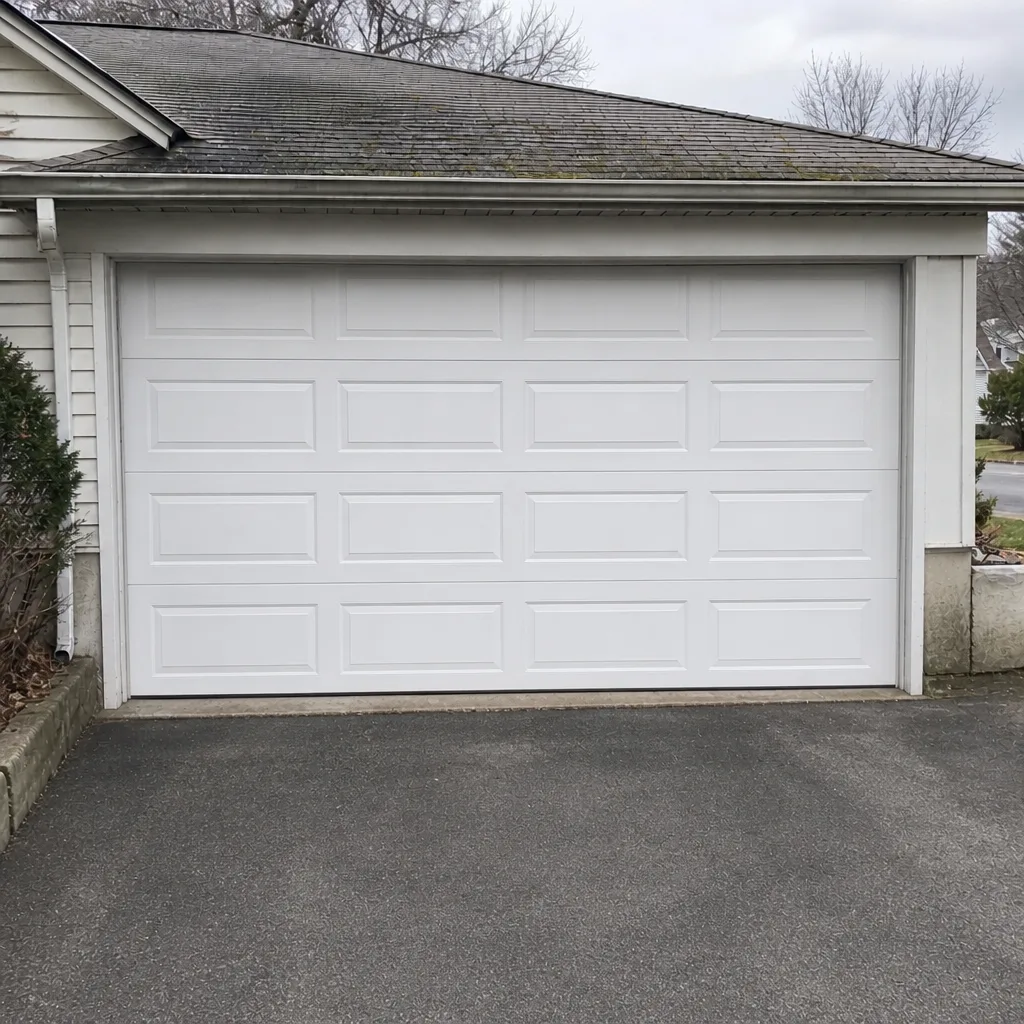
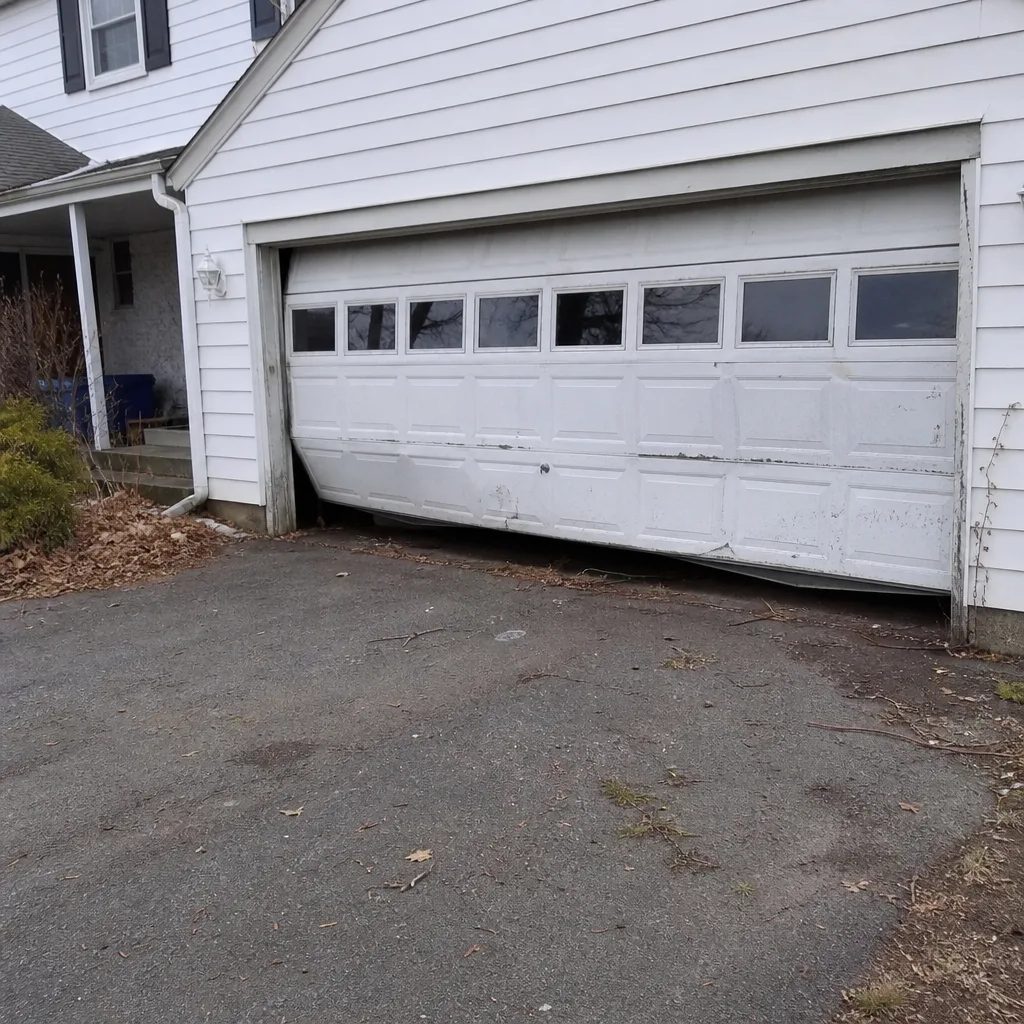
See the difference
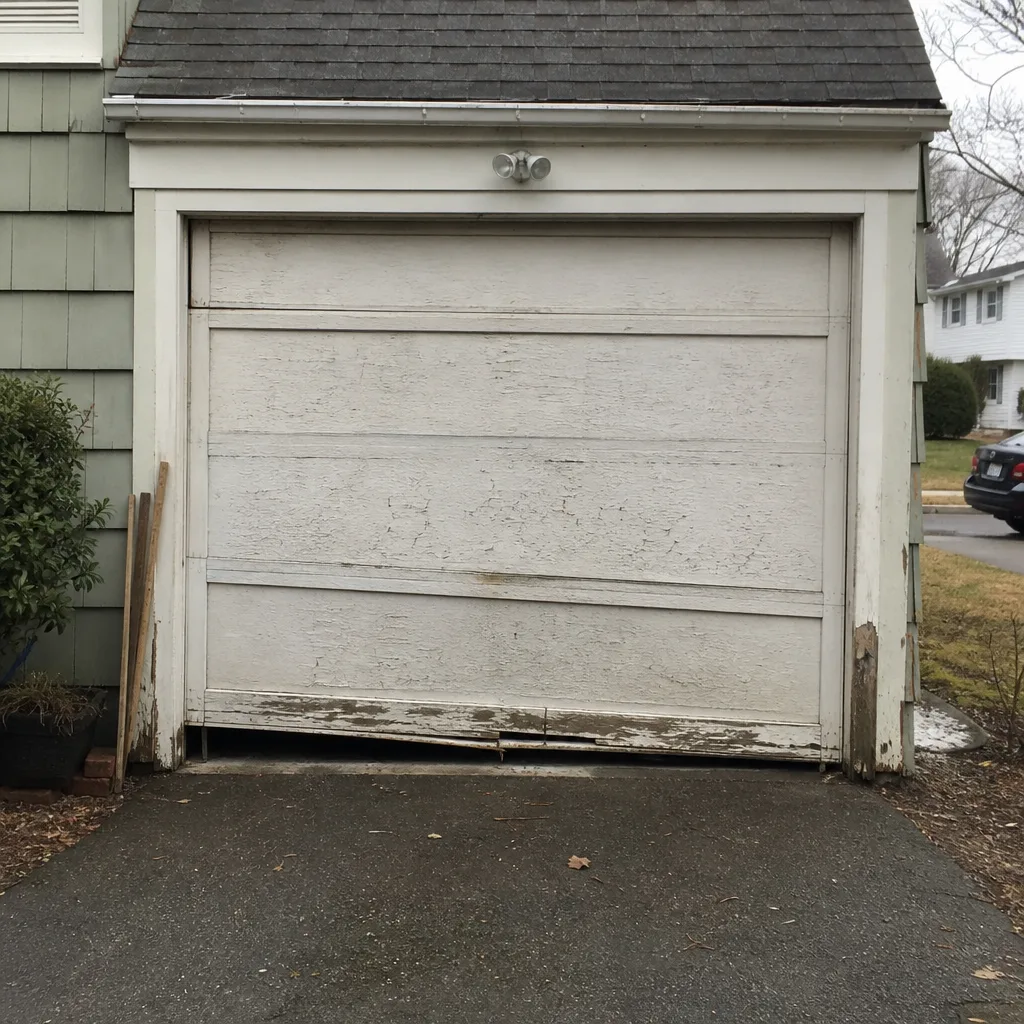 Before
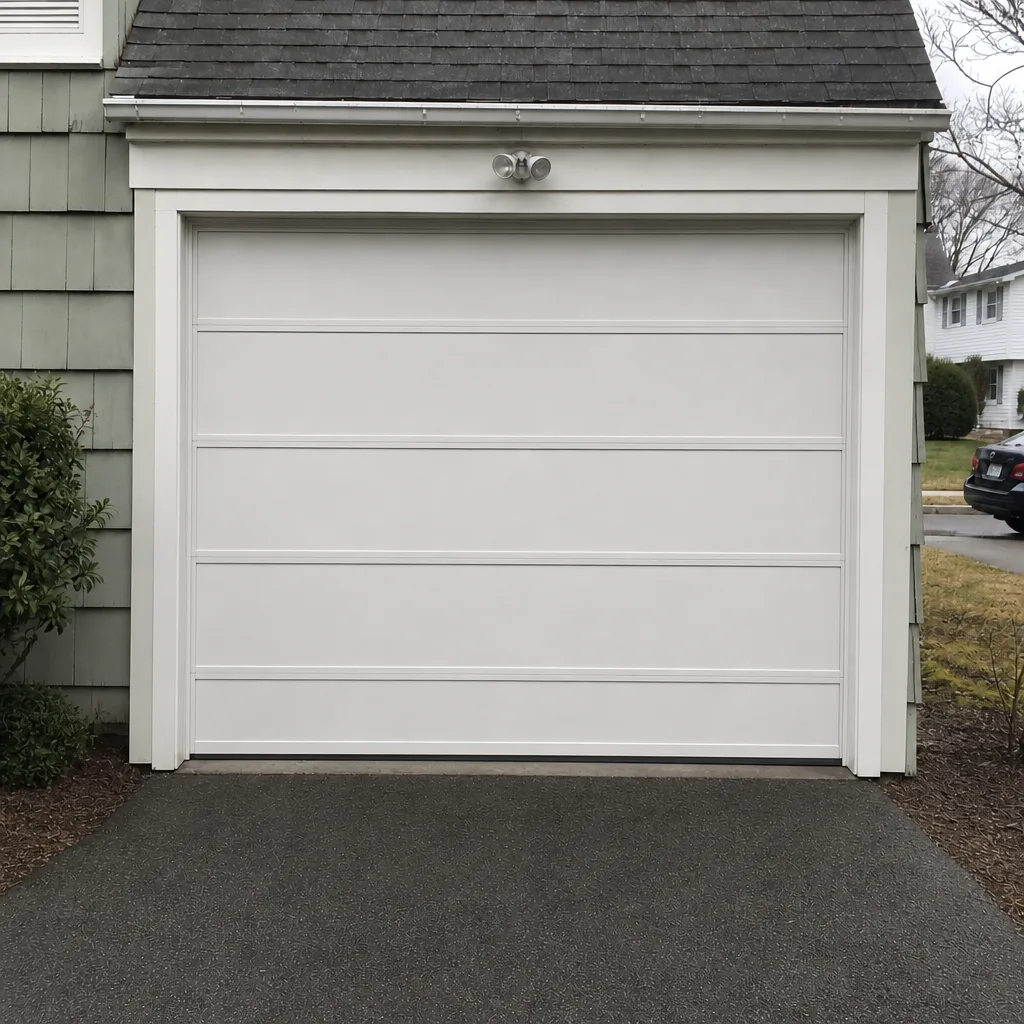 After
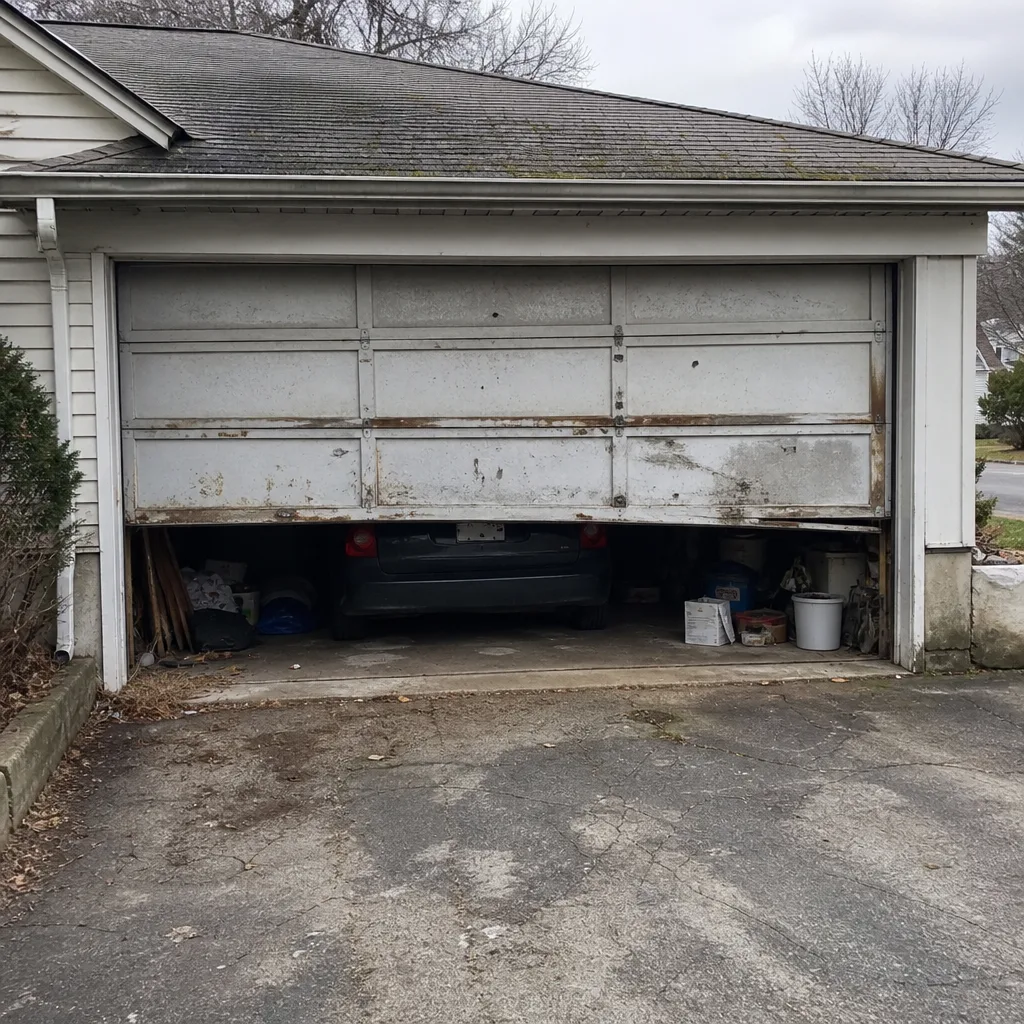 Before
 After
 Before
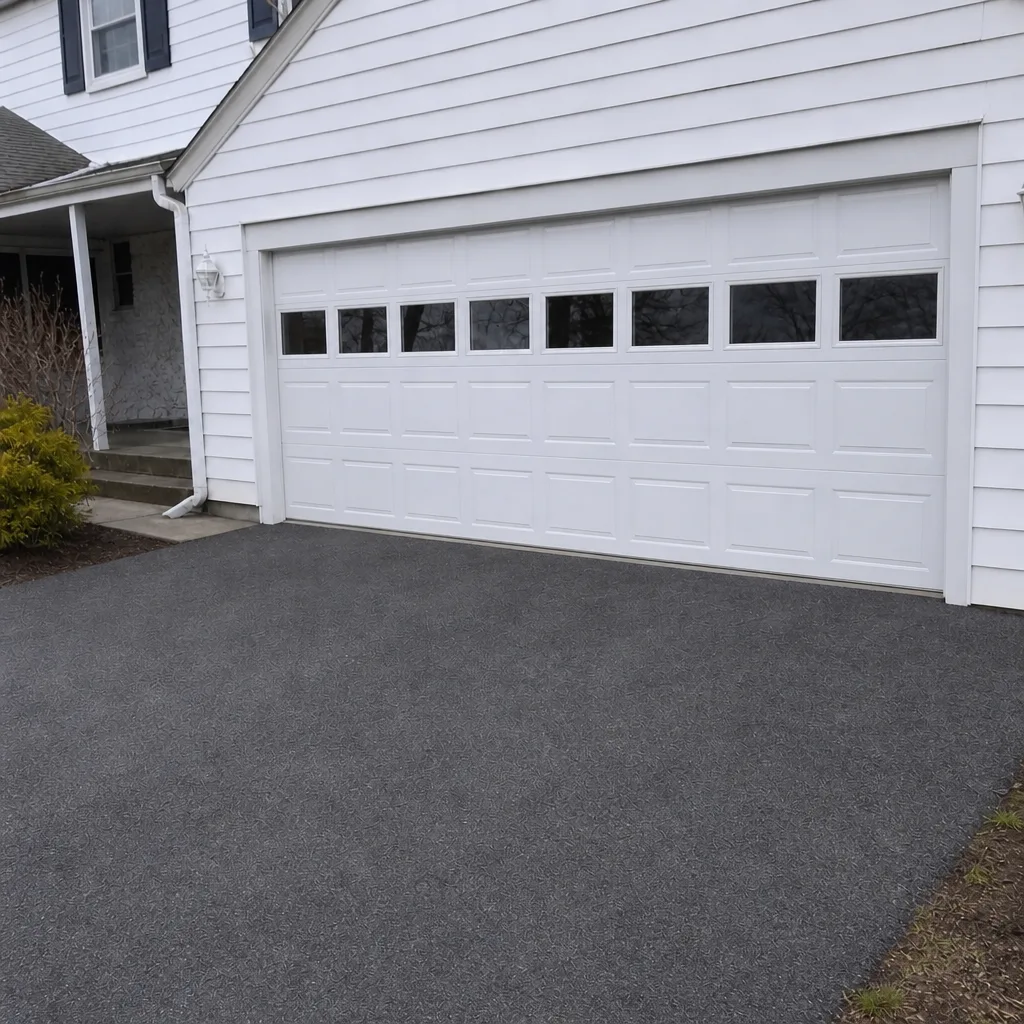 After
When to Call a Professional
Call for the work that involves loaded spring tension, cables, structural panel and track realignment, opener internal repair, or a door that’s come off its tracks. Call any time the door is unsafe – stuck open, stuck down overnight, or hanging on a single cable. Call if you’ve already done the safe checks and the door still isn’t working. Call before you attempt an opener repair if the model is one you’re not familiar with. For general garage door repair, we come out, diagnose, and quote first. Our technicians have up to 9 years of experience and work on the brand already on your door – LiftMaster, Chamberlain, Genie, Clopay, Amarr, Wayne Dalton, Craftsman, and Raynor. Fairfield Garage Door Repair Co offers free estimates in Fairfield – call (833) 726-0705.
Frequently Asked Questions
No, not safely. Torsion spring replacement requires winding a spring to a specific number of turns under full load using two winding bars, and a slip can cause serious hand or arm injury regardless of how mechanically skilled you are. This is the one garage door task where DIY risk is real for everyone. Call (833) 726-0705 for a free spring estimate.
Weatherstripping, lubricating hinges and rollers, aligning and cleaning the safety sensors, tightening loose track bracket bolts, and replacing a single popped-out roller are all safe DIY tasks. Add balancing the door to the list only if you’re adjusting the opener’s travel limits, not the spring. If the door needs to be balanced at the spring, that’s a technician job.
For weatherstripping, lubrication, sensor work, and minor adjustments, DIY genuinely saves money – under $35 in materials versus a service call minimum. For springs, cables, openers, panels, and out-of-track doors, professional work is cheaper on average because a botched DIY attempt usually adds damage that costs more than the original repair would have. Call (833) 726-0705 for a free estimate.
It’s possible, and depends on the specific policy language and circumstances. If unpermitted or defective work contributes to an injury or damage claim, the insurer has room to question the connection. The safest approach is to hire a licensed technician for anything involving springs, cables, or structural work, and to ask both your insurer and the Fairfield Building Department if a permit is required before major door work.
Disconnect the opener by pulling the red manual release cord, then lift the door by hand. A door that’s very heavy and won’t stay up has a broken spring. A door that lifts and balances normally has an opener problem. This test is safe and takes a minute. Call (833) 726-0705 if the door is heavy – that’s a spring job, not an opener job.
Not necessarily. A single bent hinge on a residential door can usually be replaced by a homeowner with a socket wrench and a replacement hinge matched to your door’s profile. If more than one is bent, or the door has been hit with force that also disturbed the track, call – that means track realignment, which requires a technician. Call (833) 726-0705 for a free inspection if you’re not sure.
The Bottom Line
The DIY-or-professional question for garage doors comes down to a single distinction: stored mechanical energy. Tasks that don’t involve you releasing spring tension or cable load under force are within reach for most homeowners, and worth trying – you’ll save money and learn your door. Tasks that do involve that stored force are not worth attempting at any skill level. In our experience at Fairfield Garage Door Repair Co, the calls we see that could have been avoided are almost all weatherstripping, sensors, and lubrication; the calls that should never have waited are almost all springs and cables. Know which side of that line you’re on, ask the town about permits on anything structural, and call for the springs.
If you’re not sure which side of the line your door is on – or you’ve already done the safe checks and the door still isn’t right – call us for a free estimate. We diagnose first, quote first, and don’t repair anything before you’ve agreed to the price. Call (833) 726-0705.
Written by the team at Fairfield Garage Door Repair Co.